May Day: Jakarta signs ILO convention for fishermen
Labour Day celebrations across Asia were dominated by the impact of the Gulf crisis on local economies. Prabowo also announced new regulations strengthening protections for delivery riders. In Singapore, Prime Minister Wong urged the public to prepare for prolonged economic hardship. In Sri Lanka, celebrations were organised by the Christian Workers’ Fellowship.
Jakarta (AsiaNews) - Workers most exposed to the fragility of the globalised economic system and the local effects of the conflict in the Middle East dominated May Day celebrations yesterday in many Asian countries.
Indonesia: new protections for fishermen and delivery riders
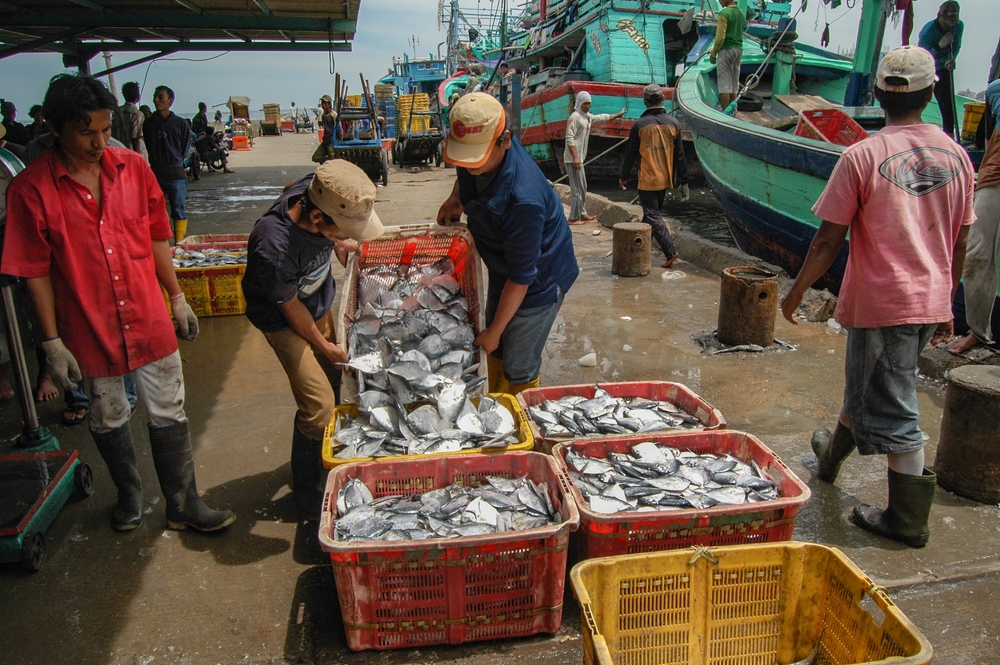
In his speech in Jakarta, Indonesian President Prabowo Subianto announced a series of measures in favour of fishermen and other categories of workers with little protection. One of the main measures is the ratification of International Labour Organisation Convention No. 188, which focuses on improving working conditions and protecting fishing vessel crews. “This ratification is intended to ensure protection and improve the welfare of fishing vessel crews,” Prabowo told thousands of workers gathered at the event.
In addition to ratifying the ILO Convention, the government plans to launch 1,386 new fishing villages this year and continue in the years to come, with the aim of establishing 1,500 villages per year from 2027 onwards. According to Prabowo, this policy is expected to improve the livelihoods of around six million fishermen across Indonesia, impacting over 20 million people. The programme will not only provide housing but will also strengthen economic infrastructure, including fish processing facilities, ice factories and support for fishing vessels.
During the same speech, President Prabowo also announced that he had signed a regulation introducing new protections for online platform drivers. The policy includes insurance against workplace accidents, access to national health insurance (BPJS) and a fairer income distribution scheme. The government has set a maximum commission rate for platforms at 10%, significantly lower than previous levels which often exceeded 20%. Prabowo also said that technology companies failing to comply with the new regulations would not be allowed to operate in the country.
As part of a tribute to the history of the labour movement, the Indonesian president finally announced plans to open the Marsinah Museum in Nganjuk, in East Java province. The museum is dedicated to Marsinah, a worker and trade union activist who fought for workers’ rights: she was abducted and later found dead in 1993, in a case that remains controversial to this day.
Singapore: Prime Minister Wong’s warning
Singapore’s May Day, however, was dominated by concerns over the severe local impact of the Gulf crisis. Prime Minister Lawrence Wong warned businesses and households to brace for economic hardship due to supply chain disruptions, fuel shortages and production delays. Inflation, he warned, could spread from the energy sector to food and essential goods.
For Singapore, one of the most open and trade-dependent economies in Asia, the crisis poses a direct challenge. The city-state has long positioned itself as a critical Asian financial and commercial hub, serving as a gateway for capital flows, maritime logistics and energy trade across the region. Its economy is deeply integrated into global trade networks, making it particularly vulnerable to external shocks such as disruptions at major maritime chokepoints.
As one of the world’s busiest ports and a major centre for oil refining and energy trade, Singapore’s prosperity depends heavily on the smooth movement of goods through strategic shipping routes.
Singapore has spent decades diversifying its energy sources and building storage capacity, whilst strengthening its role as a regional hub for energy trade that is better able to withstand volatility than many of its neighbours. Yet Wong warned that even if the Strait of Hormuz were to reopen soon, recovery would not be immediate: “Ports and energy infrastructure have been damaged. The shipping lanes will need to be cleared of mines,” he said. “Confidence must be restored that it is safe for ships to pass through, that insurance can be obtained, and that people are willing to take risks to cross the Strait.”
For Singapore, often seen as a barometer of the broader Asian economy, the warning signals that even the region’s most resilient economies are bracing for future turbulence.
Sri Lanka: the Christian Workers’ Fellowship celebration
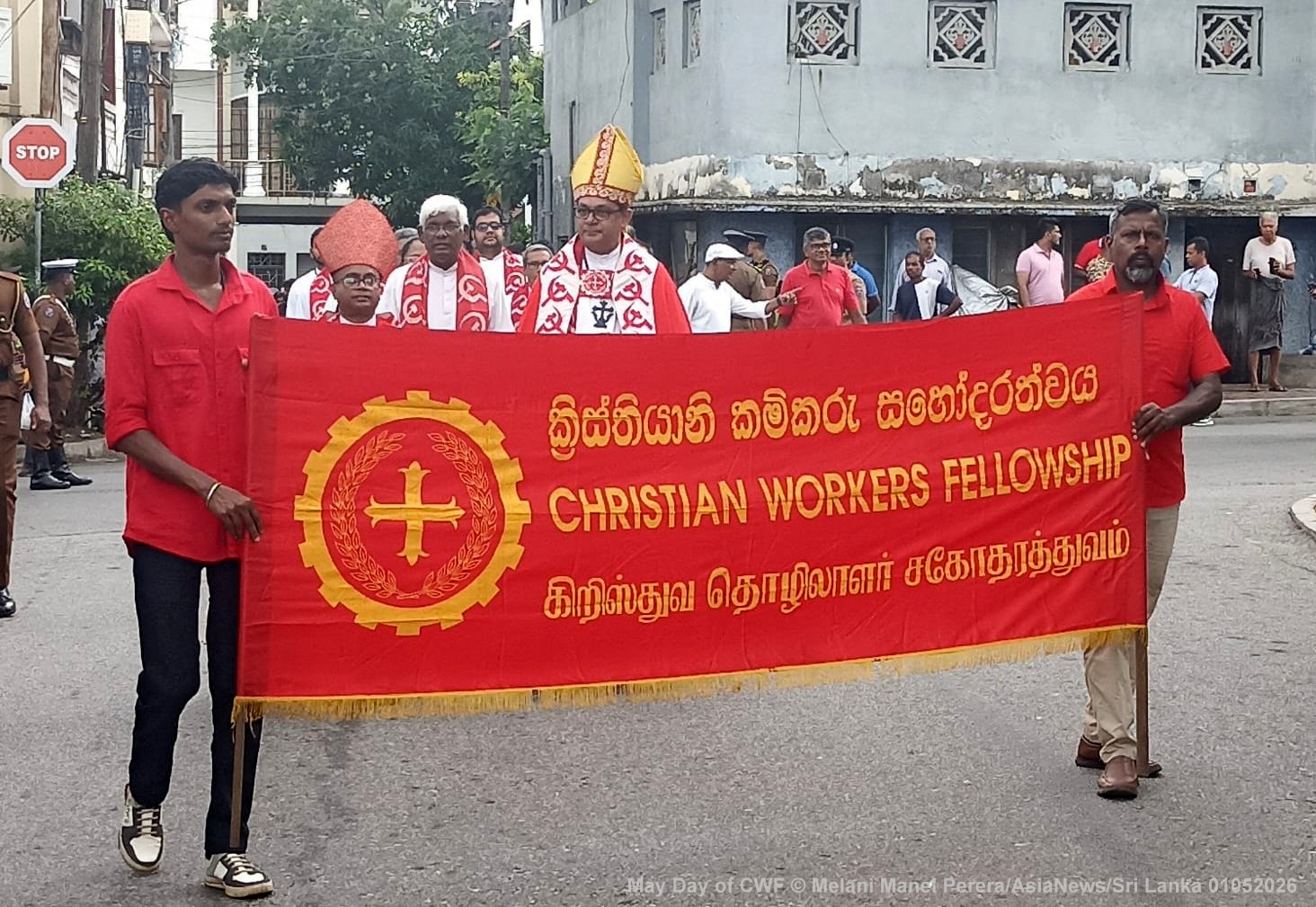
Finally, in Sri Lanka, the Anglican Diocese of Colombo hosted the annual ecumenical celebration organised for 1 May by the Christian Workers’ Fellowship. Presided over by Bishop Dushantha Rodrigo, the event also involved other religious leaders in a rich and symbolic liturgy, which included processions with agricultural tools and rituals dedicated to the dignity of workers.
Participants highlighted the spiritual and social value of the event, which has taken place every year since 1959 and brings together workers, farmers and Christian communities. However, due to the economic crisis and rising fuel costs, many delegations from the provinces were unable to attend this year. The central message was that faith and prayer must be accompanied by concrete action and solidarity with the most vulnerable.
(with contributions from Joseph Masilamany and Melani Manel Perera)

.png)