








Russia'a war taxes
In 2025, municipal service rates increased by an average of 8-12%, and VAT also rose by 1.7% on January 1. This surge is leading to a sharp increase in the prices of consumer goods, including cucumbers, which are a staple on Russian tables. To stop this spiral, profound economic reforms would be needed, which are impossible with a state budget focused solely on military spending.
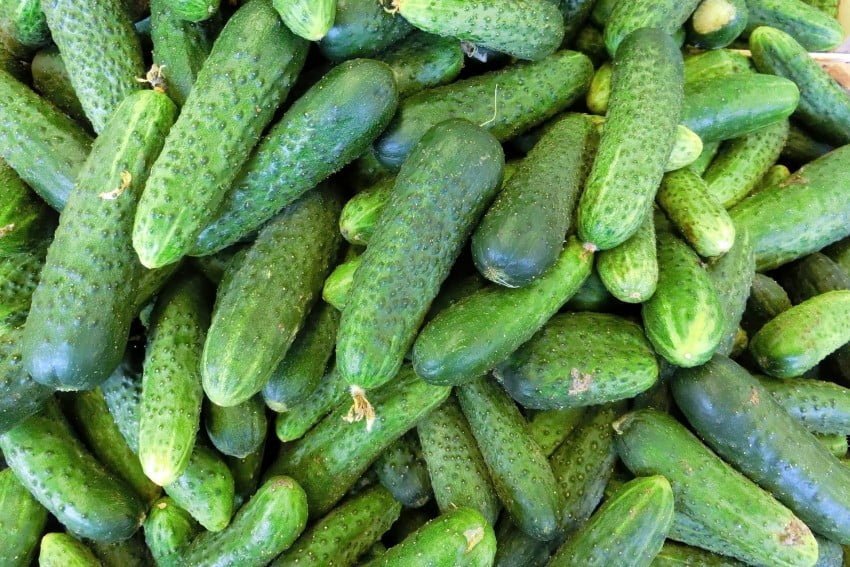
Moscow (AsiaNews) - Municipal service fees and price increases for basic consumer products, such as cucumbers, which are a staple of the Russian diet, reached unimaginable levels in January, to the point that some MPs advised people to grow cucumbers at home, on their balconies or in their bedrooms.
According to experts, this is not a temporary excess, but a planned strategy. Central and regional authorities are reacting to protests in a decidedly syncopated manner, and are not declaring any intention to review tariffs or plan salary increases, while Russian families are sinking into crisis.
Economists Nikolai Kulbaka, Vyacheslav Shiryayev, and Bogdan Bakaleiko comment on Grani Vremeni on this situation, which is causing real hardship for residents, especially in the provinces, where electricity, heating, and water bills have reached astronomical levels, much higher than expected.
This is not only happening in the more remote regions of the Russian Federation, but also in those in the European part, such as Nizhny Novgorod, Perm, and Kostroma, combining decisions on increases that were decided some time ago and have now accumulated to unprecedented proportions.
In 2025, tariffs had increased by an average of 8-12%, and officially, as of January 1, 1.7% was added with the increase in VAT. In reality, everywhere, the rates far exceed the statistics, in a rather uncontrolled manner in most regions.
In the Kostroma region, the regional government announced that “the causes of the increases depend on the rise in the minimum wage and the increase in the cost of gas supplies for municipal expenses.” In other words, the index of service tariffs has failed to keep pace with inflation growth data.
The growth in municipal tariffs, as economists explain, is not a specific issue, but part of the overall economic picture in Russia today, after four years of war in Ukraine. VAT has risen to 22%, excise duties on alcohol and tobacco have added 10% since January 1, and a progressive scale linking increases to annual profits has been introduced, putting great pressure on all commercial activities.
Several subsidies and exemptions have been revised, including those for IT activities, and all these measures are linked in a single chain, making it increasingly difficult to divide categories: ‘third-tier’ products, the poorest quality ones, are now aligned with the higher ones.
Kulbaka notes that cucumbers are a prime example of the processes underway, citing data from the statistics institute Rosstat, according to which this simple vegetable has increased in price by an average of 20% in recent years, and is now reaching unprecedented heights due to the peak season, as it is a summer product, so much so that it has become a demonstrative factor to keep an eye on in order to understand how the food market is evolving.
The Central Bank's 0.5% interest rate cut appears to be more of a ‘cosmetic’ measure to show that ‘the situation is under control and the outlook is good’. It is a ‘political and psychological’ measure, says the expert, as it is unlikely to lead to a real change of course in the economy.
If the current “stagnation” increasingly evolves into a real economic crisis, “only the strongest will survive,” says Sirjaev, and between spring and summer we will see the collapse of many companies and businesses: “some will be supported by the state, but most will not find help, because today the state does not have much money to spend.”
Municipal tariff increases will follow inflation, and major reforms will not be possible as long as the state budget is focused on military spending. In the meantime, as Bakalejko assures us, “we must keep an eye on the prices of all consumer goods and products, and we will see continuous increases at different times throughout the year, ready to resist during the day in order to try to sleep at night.”

.png)










