








The fate of Moscow's “shadow fleet”
For the moment, Russia tends to downplay the scope of US Coast Guard operations against its ghost tankers, which are withdrawing from the Caribbean seas to circumvent sanctions, limiting themselves to circumnavigating Eurasian territories. But advocates of war view the abandonment of “friendly countries” with concern, fearing the risk of being left with only North Korea at its side.
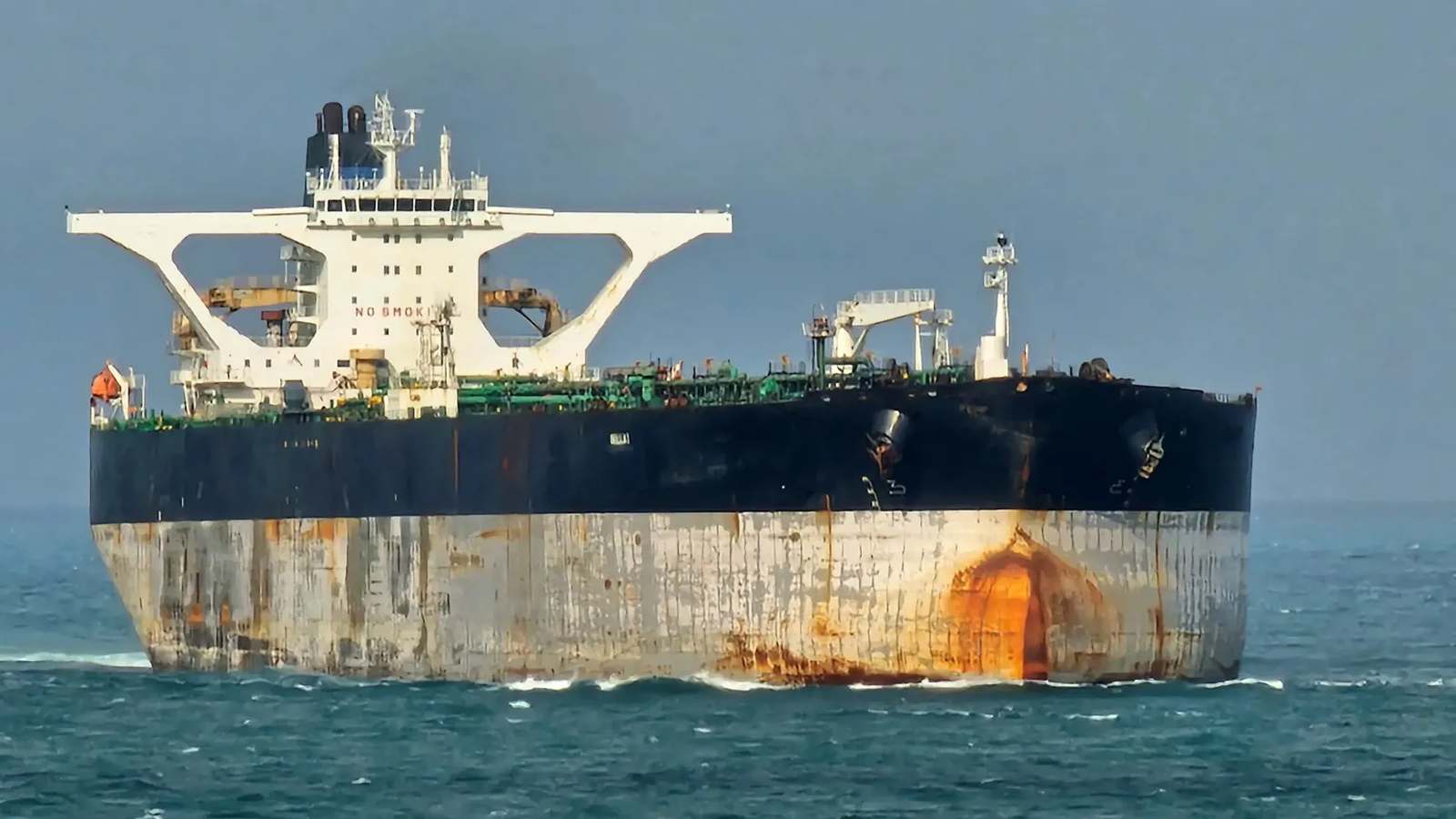
Moscow (AsiaNews) - The US Coast Guard, with the support of other federal agencies, recently stopped the tanker Marinera, also known as Bella 1, provoking very angry reactions from the Russian leadership, even if Russian social networks are ironising about the incident by spreading the Italian song Bella Ciao, a farewell to the infamous Russian ‘shadow fleet’ that has been circumventing sanctions and bans around the globe for four years now.
The reason for the arrest is that the ship was sailing under the flag of another country, and the suspicion that it is part of the shadow fleet, with all crew members under investigation (22 Ukrainians, 6 Georgians and others) except for the 2 Russians who were returned to Moscow as a gesture of détente.
US President Donald Trump has stated, after the operation to capture Venezuelan dictator Nicolas Maduro that he will do everything possible to eradicate Russian and Chinese influence in the Caribbean and South American region.
No comments have been made by Vladimir Putin in Moscow, who has allowed his subordinates to vent their anger, although after the arrest of the second tanker, Sophia, the Kremlin issued warnings to stop the naval persecution.
The circumstances are not entirely new; last October, France detained the captain of the ship Bogasau, and Denmark also expressed its intention to fight to block the shadow fleet, not to mention the various acts of sabotage against Russian ships in the Black Sea by Ukrainian forces.
The Bella-Marinera was registered in Haiti, and at the time of the American pursuit, it had hoisted the Panamanian flag, only to change it to the Russian flag, hoping for the respect of the Americans.
Oil market expert Boris Aronstein believes that the main objective is to stop oil shipments to Cuba, a “long-term geopolitical goal” of the strategy put in place by Secretary of State Marco Rubio, who is of Cuban origin and seems intent on bringing about regime change in Havana.
Tatar-Russian journalist Ruslan Ajsin argues that ‘Trump intends to repel Russian intrusions into areas of American interest; if the problem were in Europe or Asia, the US would not lift a finger’.
As demonstrated by various journalistic investigations, such as those by Sistema and Radio Svoboda, several oligarchs are involved in the affairs of Russia's shadow fleet, helping to circumvent sanctions together with the FSB services, since otherwise the Russian government would remain powerless. Russia now lacks legal instruments, having left all the relevant international institutions, and is using all possible alternative resources, including criminal groups from various parts of the world. In the “war of the seas”, Great Britain, a maritime superpower of the past, is also active against Russia and has sided with the Americans in the latest operations to arrest Russian oil tankers.
The effects of the incident have yet to be assessed, but for the moment the Russians themselves tend to downplay it, saying “it wasn't really a Russian ship” and therefore it was not a serious incident, but rather a misunderstanding.
Global strategies are aimed at much more important objectives, and Russian propaganda is trying to make people forget what happened, without standing up too much in defence of Venezuela or Cuba.
Some Russian websites are trying to accuse China of “abandoning Venezuela”, and the shadow fleet is withdrawing from the more distant seas, limiting itself to circumnavigating Eurasian territories as far as possible.
If anything, Russian commentators, the so-called turbo-patriotic bloggers, are expressing concern about relations between Russia and “friendly countries”: if the Kremlin has no problem abandoning and betraying its Latin American allies, and is not overly concerned about the upheavals in Iran, who can still trust Moscow? Being left alone with Kim Jong-un's North Korea is not a prospect that appeals to many, even among the most ardent defenders of Russia's war on the whole world.

.png)
20/10/2025 13:47










