








Tokyo wants to turn a Pacific island into a nuclear dump
The government has identified the site, Minamitorishima, Japan’s easternmost island. Uninhabited and off-limits to tourists, it has “some unexplored landmass capable of hosting a facility,” according to Japan’s Industry Minister.
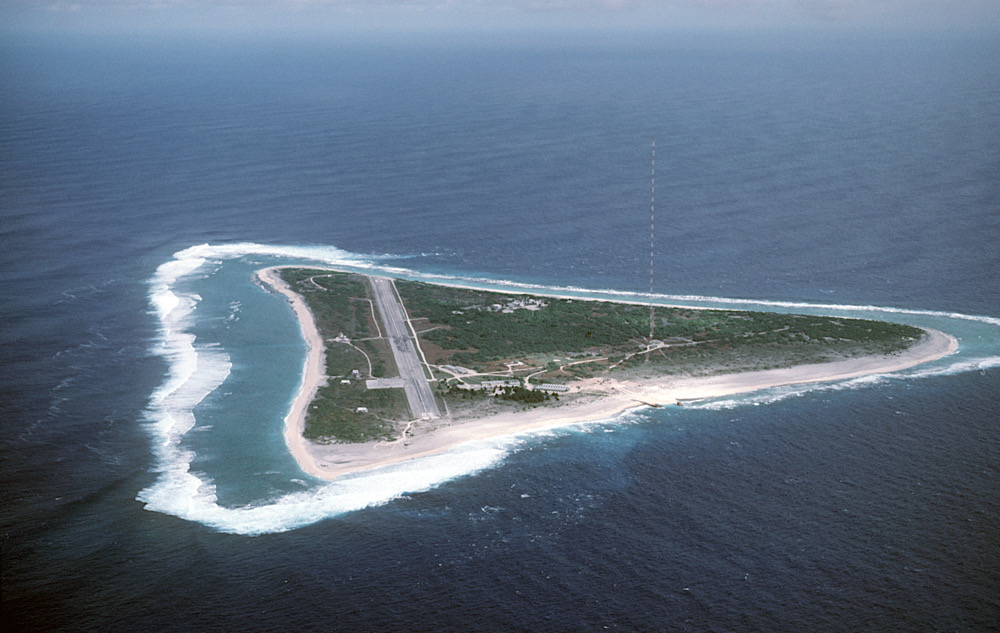
Tokyo (AsiaNews) – Japan wants to turn a remote, uninhabited Pacific island nearly 2,000 kilometres from Tokyo, into a nuclear waste dump.
At a time when nuclear energy is becoming increasingly important due to rising prices and critical issues related to hydrocarbons, not least the war in Iran, which has affected oil output and interrupted the flow of crude oil and natural gas, the disposal of nuclear waste remains unresolved.
Finding a permanent storage location for spent fuel, which can remain dangerous for thousands of years, is a huge challenge. Japan is no exception.
Japan’s energy policy seeks the "maximum use of nuclear power" in a safe manner, 15 years after the Fukushima nuclear disaster triggered by an earthquake and subsequent tsunami in March 2011.
For this reason, official sources note that the government plans to carry out a preliminary survey on Minamitorishima, Japan's easternmost island in the Pacific, to assess its suitability for taking nuclear waste.
Owned by the government, the island has no permanent civilian population and is off-limits to tourists, but has “an unexplored land mass capable of hosting a facility," Industry Minister Ryosei Akazawa said at a press briefing on Tuesday. The triangular-shaped island is surrounded by a coral atoll and has some "scientifically favourable traits," he explained.
A request to this effect was subsequently submitted to the Tokyo municipality that administers the island to inspect its ground conditions and volcanic activity through geological records, the first step in a three-part survey to select the final disposal site.
Previous probes have been conducted at three locations on two of Japan's four main – and densely populated – islands, two in Hokkaido and one in Kyushu. Minamitorishima, which is approximately 1.5 square kilometres, is the first candidate chosen by the central government on its own initiative.
By comparison, Finland has already built the world's first deep geological repository for spent nuclear fuel, the Onkalo facility, where waste is supposed to be isolated 400 metres below ground.
Meanwhile, on 22 January, Japan restarted the world's largest nuclear power plant for the first time since the 2011 Fukushima meltdown, which forced the authorities to shut all its reactors.
The decision to resume power generation at reactor number 6 in Kashiwazaki-Kariwa, northwest of Tokyo, was made despite residents' concerns, with the restart delayed by a day due to an alarm malfunction.
Japan has been trying for a while to revive its civilian nuclear power sector to reduce its dependence on imported fossil fuels.

.png)
21/11/2025 16:34










