








Astana Summit and Kyrgyzstan’s environmental leadership
A regional summit on environmental policies is currently taking place in the capital of Kazakhstan, alongside a meeting of the countries participating in the International Fund for Saving the Aral Sea. With the Bishkek government aiming to link the issue of Kyrgyzstan’s melting glaciers to the delicate environmental balance of the whole of Central Asia.
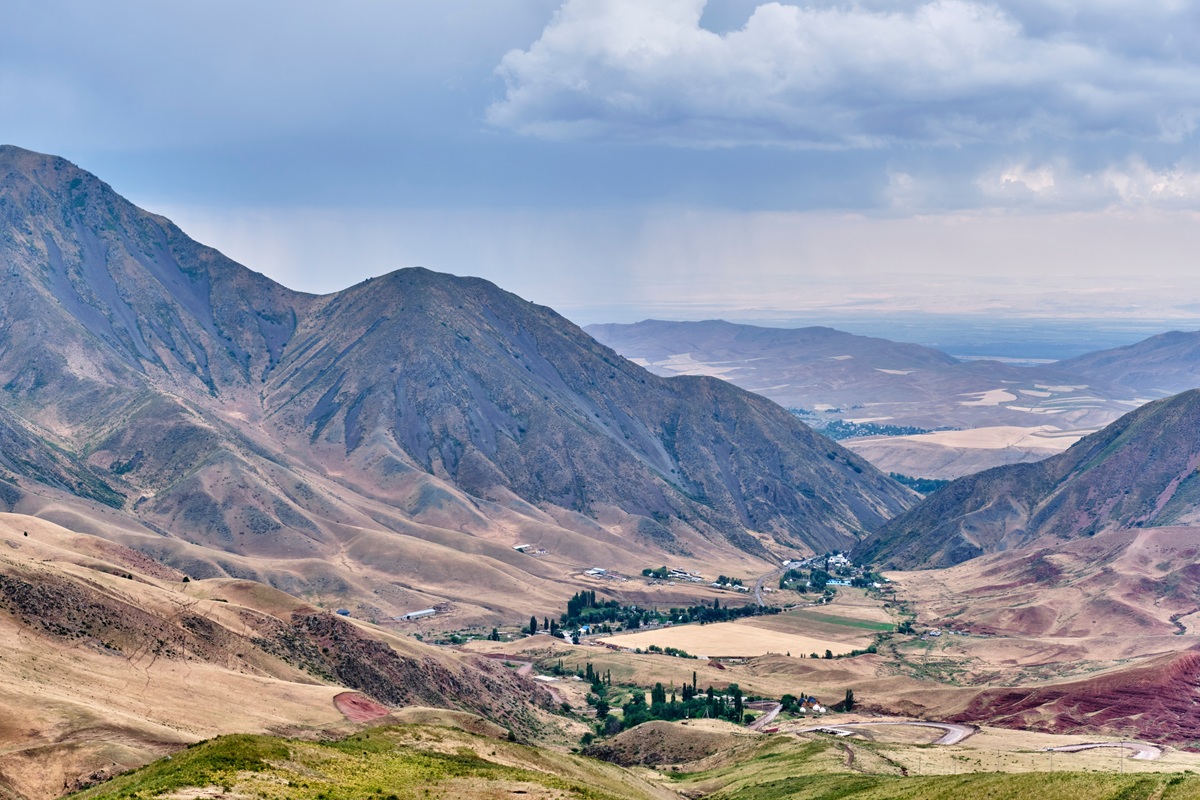
Astana (AsiaNews) - Kyrgyzstan is a country with a very rare and varied natural landscape and abundant water resources, occupying a special place right at the heart of Central Asia. This geographical position gives the Kyrgyz a particular responsibility for safeguarding the fragile ecological balance of the entire region, as noted at the regional ecological summit Res 2026 currently taking place in Astana.
In recent years, the government in Bishkek has consistently and increasingly effectively stepped up its focus on ecological issues, demonstrating a commitment to becoming a leader in environmental protection in Central Asia. Against the backdrop of global challenges linked to climate change and the need to preserve biodiversity, Kyrgyzstan is expressing a clear commitment to adhering to the principles of sustainable development, reflecting this in legislative initiatives, reforestation programmes and the transition to a green economy, within the framework of international cooperation.
The authorities are paying particular attention to the mountain agenda and the problem of glacier melt in Kyrgyzstan, which constitute a significant part of Central Asia’s freshwater resources. Global warming is accelerating their melting, which on the one hand temporarily increases river flow, and on the other threatens the long-term water supply for agriculture, energy production and drinking water not only in Kyrgyzstan itself, but also in downstream countries.
The decline in glacial cover will inevitably lead to water shortages during the summer, exacerbating the already strained situation regarding water resource management in the region.
Therefore, Kyrgyzstan is currently developing a new framework for regional cooperation, combining three key areas: the mountain agenda, economic cooperation, and water and environmental diplomacy. The central element will be the forthcoming second global mountain summit Bishkek+25 in 2027. These measures are also linked to the initiatives of the 2026 regional environmental summit, and to the activation of the role of the International Fund for Saving the Aral Sea.
It is important to note the progressive lowering of the water level of the Aral Sea, which, like the melting of Kyrgyzstan’s glaciers, is a problem that extends far beyond the Central Asian region. These phenomena, although geographically distinct, are closely interconnected and have cascading consequences that affect global environmental and economic security. Environmental experts have repeatedly drawn attention to the consequences of this environmental disaster: these are felt not only in neighbouring states but also far beyond their borders, manifesting as climate change, desertification, soil salinisation and an increase in respiratory diseases, due to sandstorms that stir up toxic salts from the dried-up lake bed.
From 22 to 24 April in Astana, the capital of Kazakhstan, a regional environmental summit is therefore taking place under the auspices of the United Nations, alongside a meeting of the Council of Heads of State, the founders of the International Fund for Saving the Aral Sea. These platforms for dialogue could become an important showcase for Kyrgyzstan to express its ambitions and intentions on the international stage. Participation in such forums not only facilitates the exchange of best practices and technologies, but also attracts investment in environmental projects and strengthens regional partnerships to tackle common challenges such as glacier melt, soil degradation, desertification and water resource management.
The synergy of these three formats thus creates a new model, with the Summit of the Mountains defining the ideology and agenda, the 2026 Regional Economic Cooperation Framework providing the economic mechanisms, and the International Fund for Saving the Aral Sea (IFAS) consolidating regional coordination. Ultimately, the heads of state of Central Asia intend to apply the most effective mechanisms to move beyond mere declarations of intent and progress towards a systemic policy on issues of regional cooperation and shared development.

.png)










