








Goldman Environmental Prize: from the Pacific to Korea, women take all
This year, the award went to six women activists for their work defending ecosystems and local communities. Among them, Papuan Theonila Roka Matbob, who played a crucial role in the long struggle for the cleanup of the Panguna mine, and South Korean Borim Kim, who led a legal battle over climate that culminated in a constitutional ruling in favour of future generations.
San Francisco (AsiaNews) – The 2026 Goldman Environmental Prize, often referred to as the Green Nobel Prize, was awarded yesterday to six activists from different continents for their commitment to defending the environment and local Indigenous communities.
For the first time in the history of the award, established in 1989, all the winners are women, a sign of the growing female leadership in environmental activism.
Two are from the Asia-Pacific region: Theonila Roka Matbob, from Papua New Guinea, and Borim Kim, from South Korea.
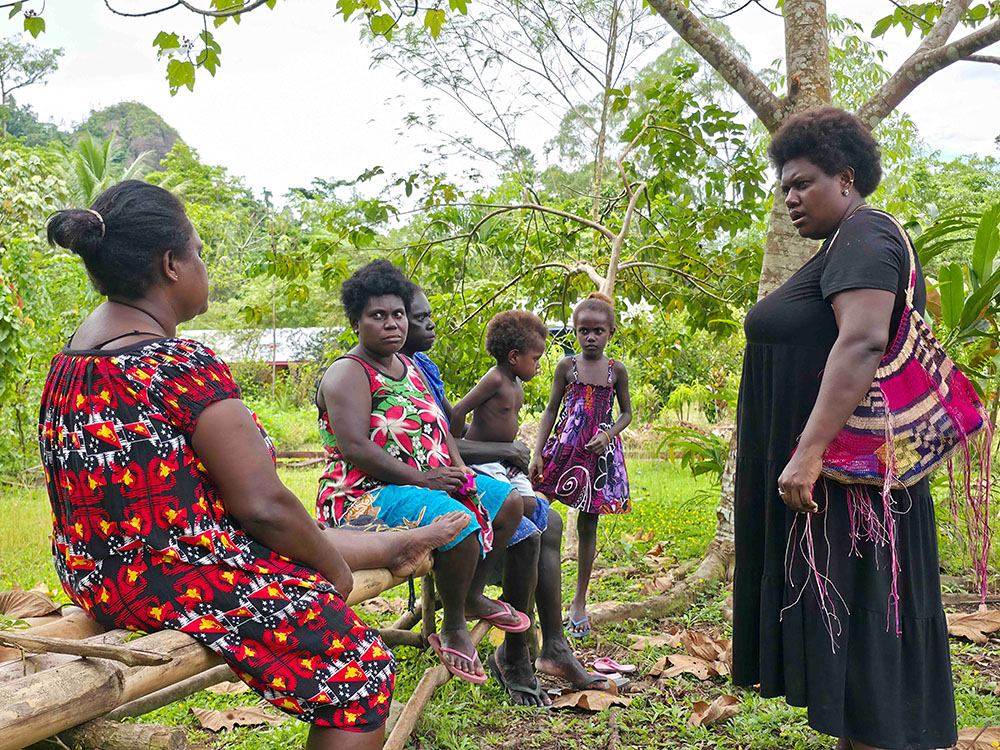
The former has been the face of a long struggle against the Panguna mine on Bougainville Island, one of the largest copper and gold mining sites in the world, which caused serious environmental damage for decades, contaminating land and waterways and profoundly impacting local communities.
In just under 20 years of operation, local communities have received only 1.4 per cent of the revenues, and grassroots protests eventually escalated into a civil war, which ended with the granting of self-rule to Bougainville.
These events profoundly affected Matbob, who is now 35 and a member of the Indigenous Nasioi people. Her father was captured and killed by rebels, and together with her mother and siblings, she spent her early years in a camp for displaced persons.
In 2013, together with her husband, she co-founded the John Roka Counselling & Learning Centre, an NGO that provides education and psychological support to communities affected by the civil war.
In 2018, she participated in the local diocese's Panguna Listening Project, and in 2019, she worked with the Human Rights Law Centre to collect testimonies from villagers along the river valley, documenting the ongoing and widespread environmental damage caused by mining waste, even decades after the mine's closure.
After she was elected to the Bougainville House of Representatives in 2020, she led a campaign that culminated in a historic settlement in 2024 with mining giant Rio Tinto, which had sold its shares to the local and Papua New Guinean governments in 2016 in an attempt to shirk environmental accountability.
The decision forced the Anglo-Australian company to acknowledge its responsibilities and begin a site cleanup process, more than 30 years after the mine's closure.
Pacific island populations are particularly exposed to the effects of climate change and the consequences of the exploitation of natural resources. Matbob's victory not only established the right of local communities to seek reparations for damages that often go unpunished, but also set an important legal precedent that could help other communities obtain justice.
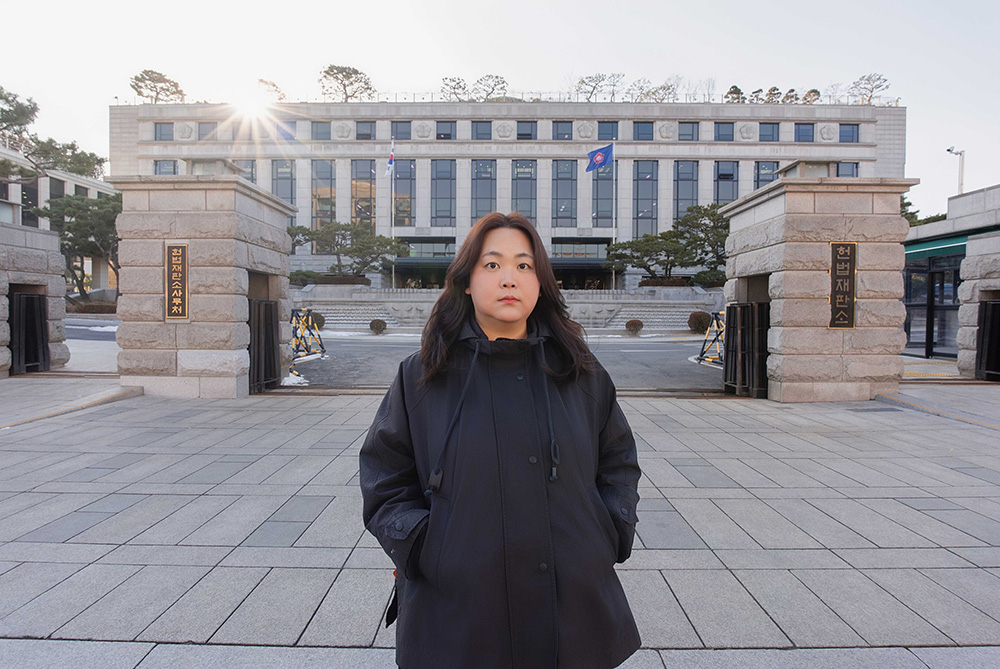
Borim Kim, 31, was also recognised for leading a major legal battle in South Korea. A decision was made in 2018 after one of the worst heatwaves ever to hit the Korean peninsula.
Together with the Youth 4 Climate Action organisation, she filed a constitutional lawsuit against the government, arguing that its climate policies did not sufficiently protect future generations.
In 2024, the South Korean Constitutional Court ruled in favour of the activists, finding that state policies had violated the fundamental rights of younger citizens, forcing the government to introduce binding emissions reduction targets for the period 2031–2049.
An analysis by the South Korean think tank NEXT Group estimated that the decision will prevent the emission of between 1,600 and 2,100 million tonnes of CO₂.
With a population of 51 million, South Korea is the world's thirteenth largest emitter of greenhouse gases because it still relies on coal and natural gas for energy production. Only 9 per cent of its electricity is produced from renewable sources, according to 2023 data.
This is the first successful youth-led climate case in Asia, a precedent destined to influence not only South Korean politics but also other places in the region. The case shows how the law can become a central tool in the fight against climate change when institutions are slow to act.
In the United Kingdom, Sarah Finch also received recognition for bringing the issue of emissions to court. In 2024, the UK Supreme Court ruled that permits for new fossil fuel projects must also consider emissions from the end-use of oil, gas, and coal.
In the United States, Yup'ik leader Alannah Acaq Hurley coordinated Alaska Native communities, successfully halting a massive Alaska mine project. The result was a historic federal veto that protects one of North America's richest biodiversity areas, also crucial for salmon fishing.
In Colombia, young activist Yuvelis Morales Blanco mobilised her community against fracking projects in the Puerto Wilches region, while in Nigeria, Iroro Tanshi led a campaign to protect a rare, endangered bat threatened by human-caused fires. Through local teams, she managed to prevent dozens of fires in the Afi Mountain Reserve, safeguarding not only the habitat but also the communities' livelihoods.

.png)
12/02/2016 15:14
17/08/2022 11:23










