Dharamsala (AsiaNews) – Tibetans living in the diaspora, in India as well as other places like the United States, Canada, Australia, and Europe, voted yesterday in the second round of elections to pick the members of the 18th Tibetan Parliament-in-Exile, with results expected to be released in a couple of weeks.
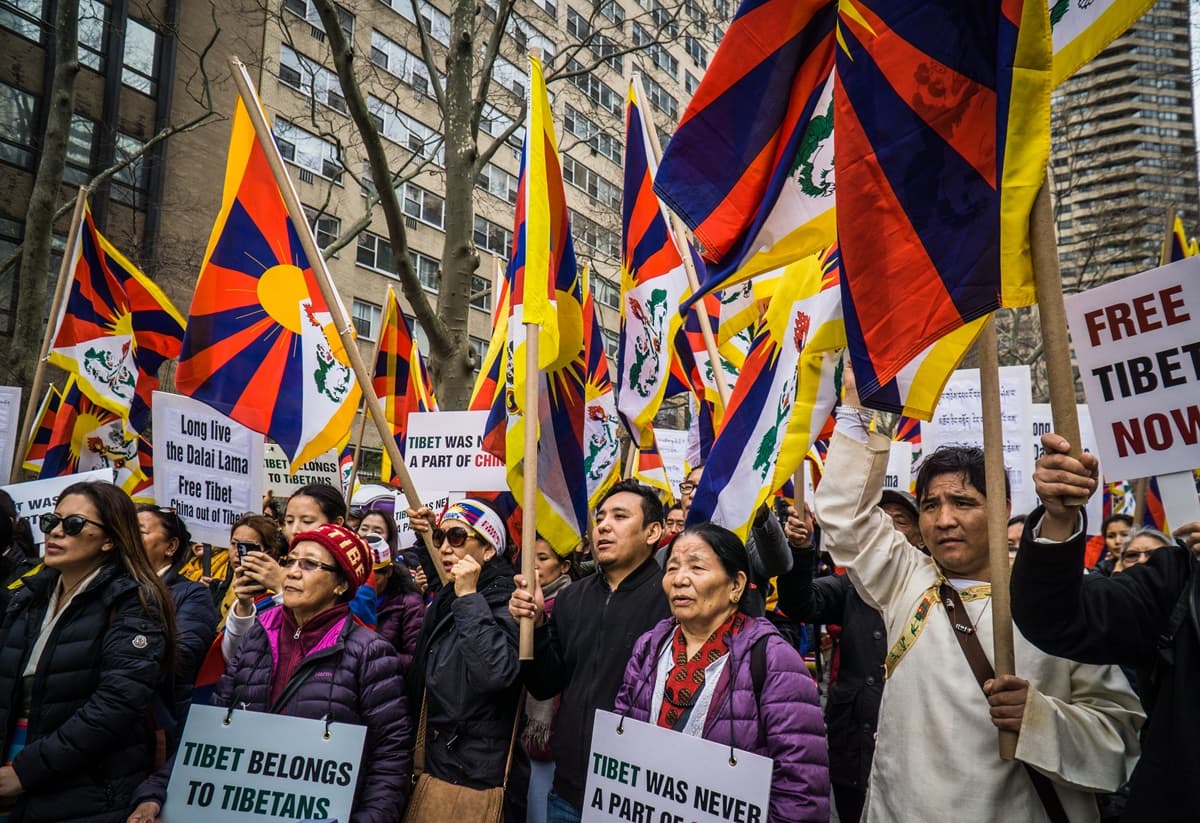
Condemned by China, which considers the Himalayan country Chinese and the Dalai Lama a separatist leader, not a spiritual guide, the elections saw the participation of Tibetans in 27 countries.
In India, thousands showed up at polling stations across the northern state of Himachal Pradesh, including the districts of Kullu, Kangra, and Mandi, where the community is concentrated.
In Dharamsala, the seat of the government-in-exile, hundreds of Tibetans began queuing early in the morning at polling stations set up in McLeod Ganj to cast their votes.
A total of 93 candidates ran for the 45-member single-member lower house, which includes 10 representatives from each of Tibet's three traditional provinces: Domey, Dotoe, and Utsang. Two members each represent the four schools of Tibetan Buddhism, and two represent the pre-Buddhist Bon religion.
The remaining five members come from Tibetan communities around the world: two from North America, two from Europe, and one from Australia. The Election Commission of the Central Tibetan Administration (CTA), the highest political and administrative body of Tibetans in exile, released the list of final candidates on 18 March.
According to the Election Commission, a total of 91,042 voters registered for these elections, including 56,749 in India, Nepal, and Bhutan and 34,293 in other countries. Results are expected on 13 May.
The first stage in the election process was held on 1 February and 13 February when the Sikyong or leader of the CTA was chosen. The Election Commission declared the current office holder, Penpa Tsering, elected to a second term in office. He was first elected on 27 May 2021.
Tsering won 61 per cent of the vote. According to the Tibetan Election Commission's rules, a candidate is considered a winner if they secure more than 60 per cent of the total vote in the first phase, eliminating the need for a runoff.
According to Tenzin Tsundue, a writer and Tibetan freedom and rights activist, it is "a rare feat" for a community in exile to vote, which he calls a "democratic exercise." Holding free and fair elections has always been challenging because the Tibetan community depends on host countries.
In fact, the elections would not have been possible without the support of the Indian government and people, who allow Tibetans to carry out regular “parliamentary and presidential elections every five years.”
For Tsundue, “our democracy is our reply to China. China may have its GDP, global trade and nuclear weapons, but the people of China do not have one thing that we have – democracy. We have developed robust democratic institutions in exile. They can learn from us.”
The five-year parliament, based in Dharamsala, northern India, serves as the representative body for approximately 150,000 Tibetans living outside Tibet.
Voters in exile represent only a fraction of the ethnic Tibetan population, which the CTA estimates at six million, more than seven million in 2020, according to China.
Yesterday's poll takes on even greater significance for Tibetans, as they prepare a future in which they will have to prepare for the succession to their revered spiritual leader, Tenzin Gyatso, the Dalai Lama, while facing Chinese opposition.
The 90-year-old leader, who has been living in India since fleeing the Tibetan capital Lhasa after Chinese troops crushed an uprising in 1959, insists that he still has many years to live.
Tibetan Buddhists believe he is the 14th reincarnation of a spiritual leader born in 1391. But the supporters and loyalists of the Nobel Peace Prize laureate are aware that Communist China, which claims to be atheist, wants to impose its control and steer the succession process, regardless of any indications emerging from the community’s Indian headquarters.
For Beijing, which militarily occupied Tibet in 1950, the vast plateau is an integral part of its territory, the elections are a "farce." Its Foreign Ministry calls the government-in-exile an “illegal organisation that completely violates the Chinese constitution and laws.”
Tibetans who went to the polls hold a very different position from that. “Our votes matter,” said Tenzin Tsering, a 19-year-old who lives in Bylakuppe, in the southern Indian state of Karnataka, home to one of the largest Tibetan communities outside the Himalayan plateau.
The first-time voter wants to see greater youth representation. “We need voices that reflect where our community is going, not just where it has been”, he explained.