








Beirut, the Iranian crisis and the future of Hezbollah between “theocracy and reason”
Alert in Lebanon over the wave of protests in the Islamic Republic. Institutional leaders and the population are closely following developments. Aoun's appeal to the Shiite movement: ‘From the logic of force to the force of logic’. Phase 2 of the disarmament plan is underway, while Israeli bombing continues.
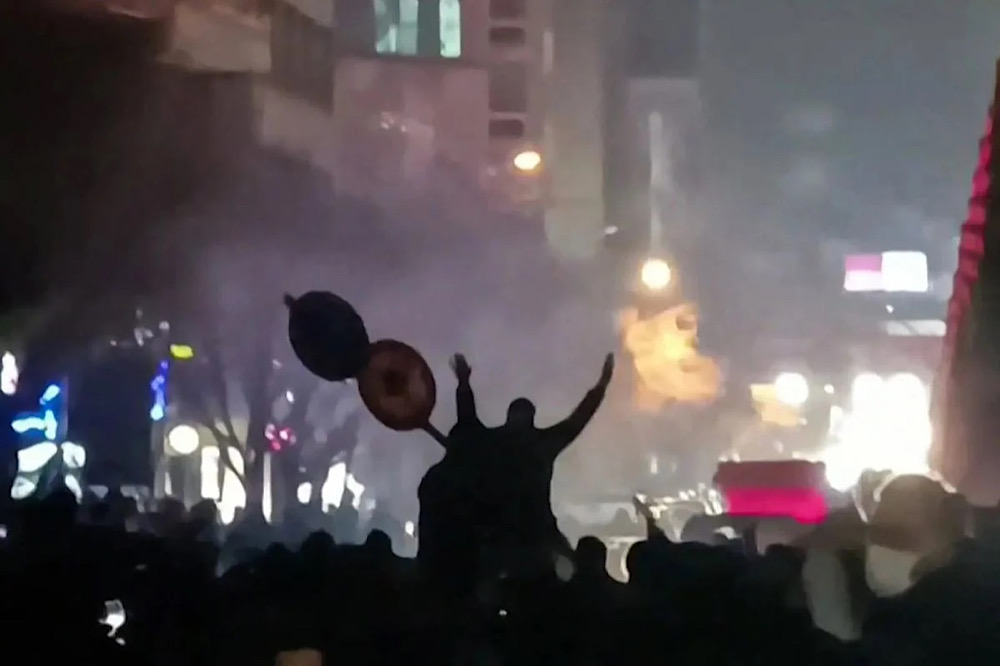
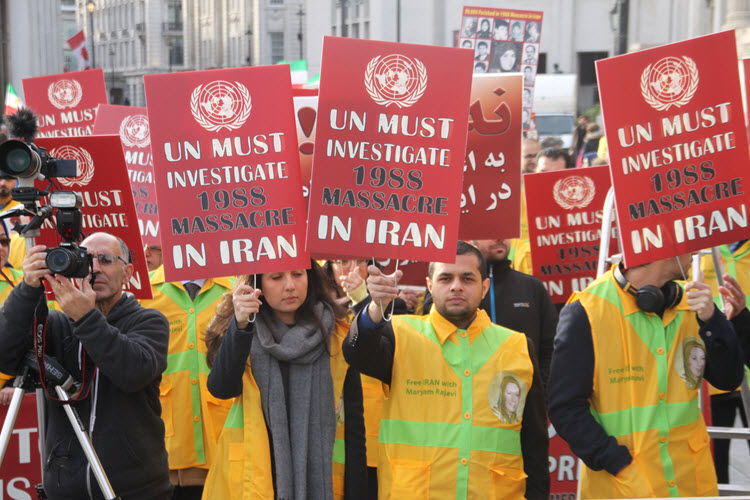
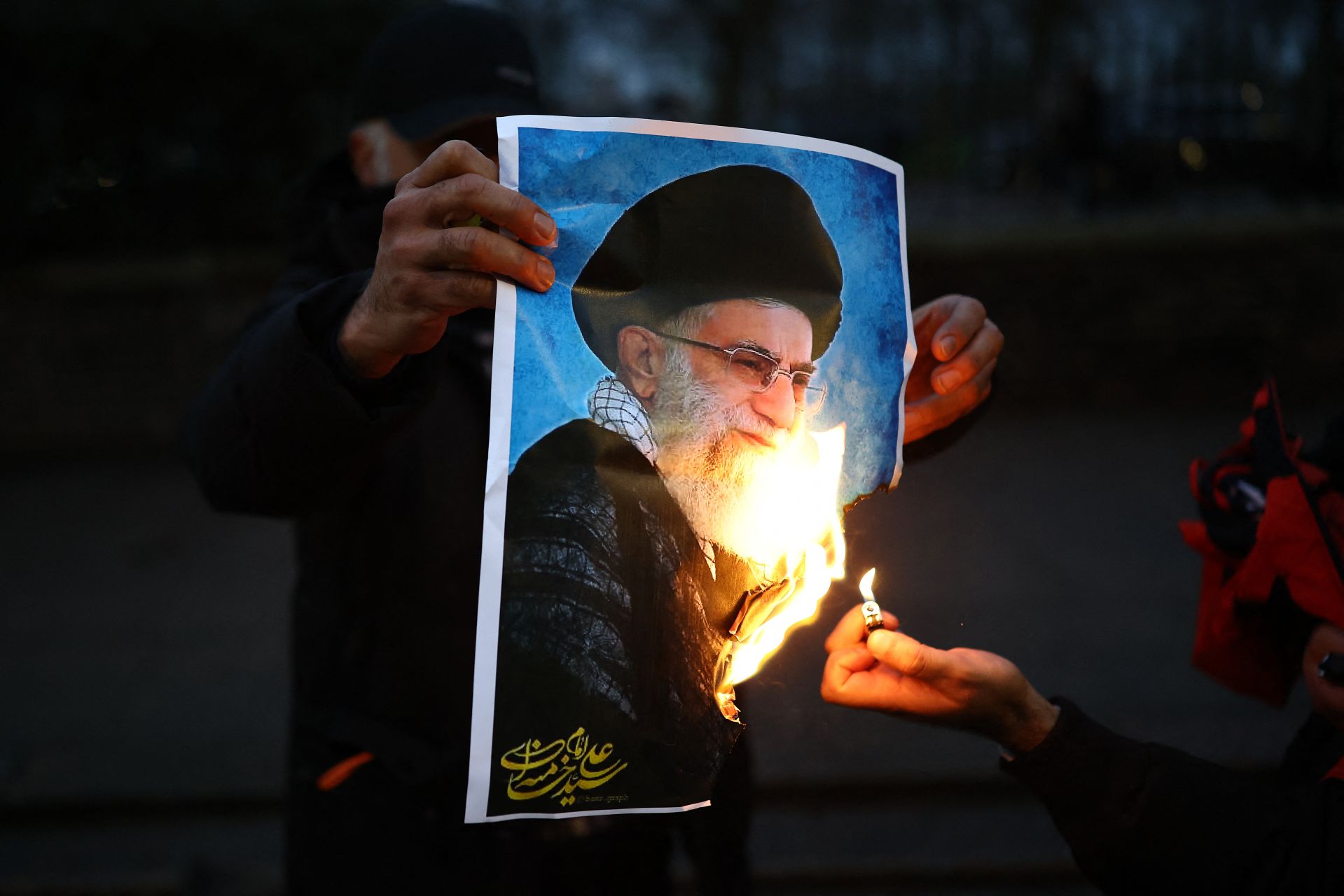
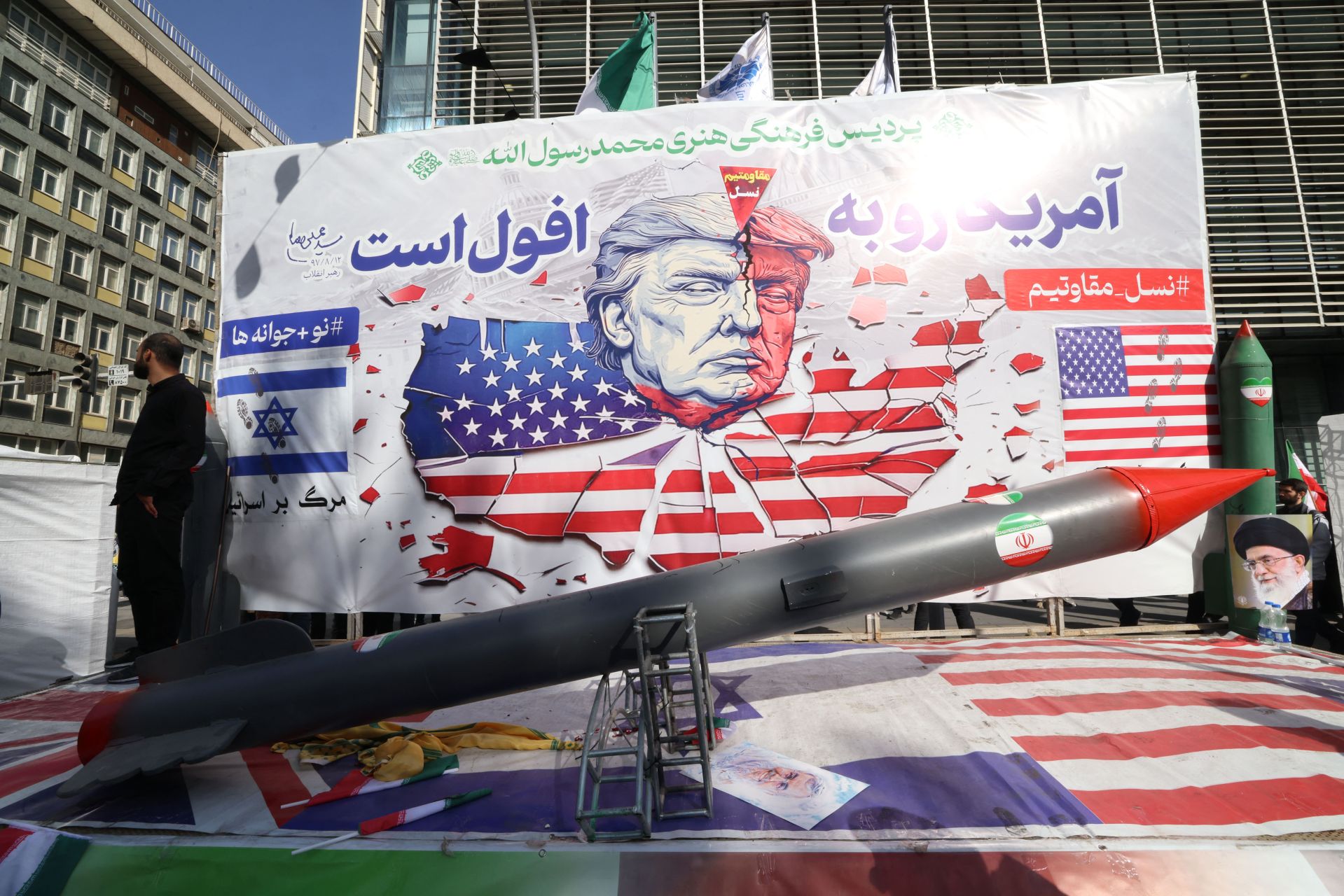
Beirut (AsiaNews) - The protests that have been rocking Iran for three weeks, against the backdrop of the economic crisis and the collapse of the currency, have found a wide echo in Lebanon. ‘Will the United States intervene in Iran as Trump promised the protesters?’, ‘Will Ali Khamenei (86), the supreme leader, be eliminated?’ ‘Is a return of the Pahlavi dynasty possible?’ These are just some of the recurring questions. Speculation on this topic is at the forefront of the media scene, while Western personalities are already burying the Islamic Republic.
Iranians and thousands of families on both sides remain glued to their screens, anxiously following the latest developments in the situation, trying to guess whether Trump's promises and/or threats will come true. For Kassem Kassir, an analyst close to Hezbollah and one of the few people to have maintained relative independence of thought on this subject, a fall of the regime is unlikely. ‘There is no immediate fear of such a scenario,’ the expert tells AsiaNews. ‘If the regime resists,’ he adds, ‘Hezbollah will remain strong, and vice versa.’
However, according to Ali el-Amine, director of the Al-Janoubia website, what he calls the Syrian model is being repeated in Iran: ‘Loss of legitimacy of the regime, which 80% of Iranians now disapprove of and which survives only thanks to a coalition of unconditional supporters, the strength of the Revolutionary Guards and the multiplicity of power centres in Iran’. The repression of the demonstrations has caused thousands of deaths among the protesters, according to some websites, although it is impossible to verify the number due to the media blackout.
Neither Gaza nor Lebanon
Although the power of the supreme leader, Ayatollah Ali Khamenei, does not appear to be under threat “in the immediate future”, Hezbollah leaders know that their future depends on him; moreover, the leaders of the Lebanese Party of God are well aware that if the United States succeeds in weakening the regime, by eliminating it or by other means, the question of their missile stockpiles will automatically arise. And it is not just about weapons: many Lebanese Shiites know that they will suffer greatly without Iranian support for their hospitals, schools and institutions, not to mention the pay of fighters and the pensions of widows and orphans.
The Islamic Republic has transferred hundreds of millions of dollars to Hezbollah over the past year through exchange offices and companies based in Dubai, as revealed by the Wall Street Journal. The US newspaper also pointed out that Tehran is seeking new channels to transfer money to its Lebanese proxy, against the backdrop of the ban on Tehran-Beirut flights, restrictions imposed on Lebanon and the closure of supply routes through Syria.
This is what infuriates the Iranian people, as demonstrated by some of the slogans chanted during the demonstrations, among which the following resounds loudly: “Neither Gaza nor Lebanon, my life is for Iran”. These slogans are interpreted by forces hostile to Hezbollah as total disapproval of the proxy wars fought for decades by the ayatollahs in Lebanon, Yemen, Iraq, Palestine and, until a year ago, Syria.
Araghchi in Beirut
It is in these dramatic circumstances that Lebanon has just received a visit from Iranian Foreign Minister Abbas Araghchi. His presence has sparked astonishment among the political class. "What is the Iranian foreign minister doing in Lebanon, with a group of businessmen, under the pretext of developing trade with Lebanon? Doesn't he watch television? Can't he see what is happening in his country?" asked Farès Souaid, an emblematic figure of the Lebanese sovereignist movement. Can a country facing such massive internal unrest really present itself as a credible partner or regional model, especially when one considers the inevitable economic consequences of any violation of US sanctions?
In the Lebanese media, particularly the French-speaking and independent outlets, the tone is even more critical.
Numerous columnists point out the contradiction between Iran's active diplomacy abroad and the manifest inability of Tehran's leaders to respond to the aspirations of their own people. The current situation has reignited the internal debate in Lebanon on the Islamic Republic's regional role, its influence in Lebanon and the real cost of its geopolitical ambitions. However, according to corroborating sources, the economic argument for the visit is only a cover: in reality, Iran, sensing a change in the wind after the coup in Venezuela, is seeking to preserve its presence on the international stage, knowing that Lebanon is an essential platform for communicating, exchanging or sharing messages with the United States.
Aoun's appeal to reason
Meanwhile, Head of State Joseph Aoun has taken advantage of the receptiveness that the regional situation has created within Hezbollah to try, once again, to persuade it to hand over its weapons to the Lebanese state. After taking control of the border area, where the Party of God abandoned its positions and handed over its weapons depots and tunnels, the army must now begin phase 2 of the disarmament plan, covering the area between the two rivers, the Litani and the Awali, near Sidon. However, the pro-Iranian movement is opposed to this, leaving Israel free to bomb the area at will.
In an exclusive interview with Télé-Liban on the first anniversary of his inauguration, the president recalled the fears of Imam Mohammed Mahdi Chamseddiine (1936-2001). The former president of the Shiite Supreme Council had already expressed his fear that his community would be seduced and drawn away from Lebanon by the Khomeini-style theocratic utopia that emerged in the 1980s. For the late imam, who made it his “political testament”, the Shiite community should refrain from joining the project of a transnational Shiite “umma” and be content to build a prosperous future in their homeland.
Finally, the head of state urged the pro-Iranian party to reconsider its strategic choice, renouncing its military autonomy in favour of integration into the state apparatus. “Hezbollah's weapons are no longer of any use,” said Aoun, considering the current balance of military and political power: “It is time,” he concluded, “to move from the logic of force to the force of logic,” for the good of all Lebanon and, first and foremost, the Shiites. Will Hezbollah ultimately listen to reason?

.png)










