








Central Asia’s and the Caucasus’ “neighbours” face war in Iran
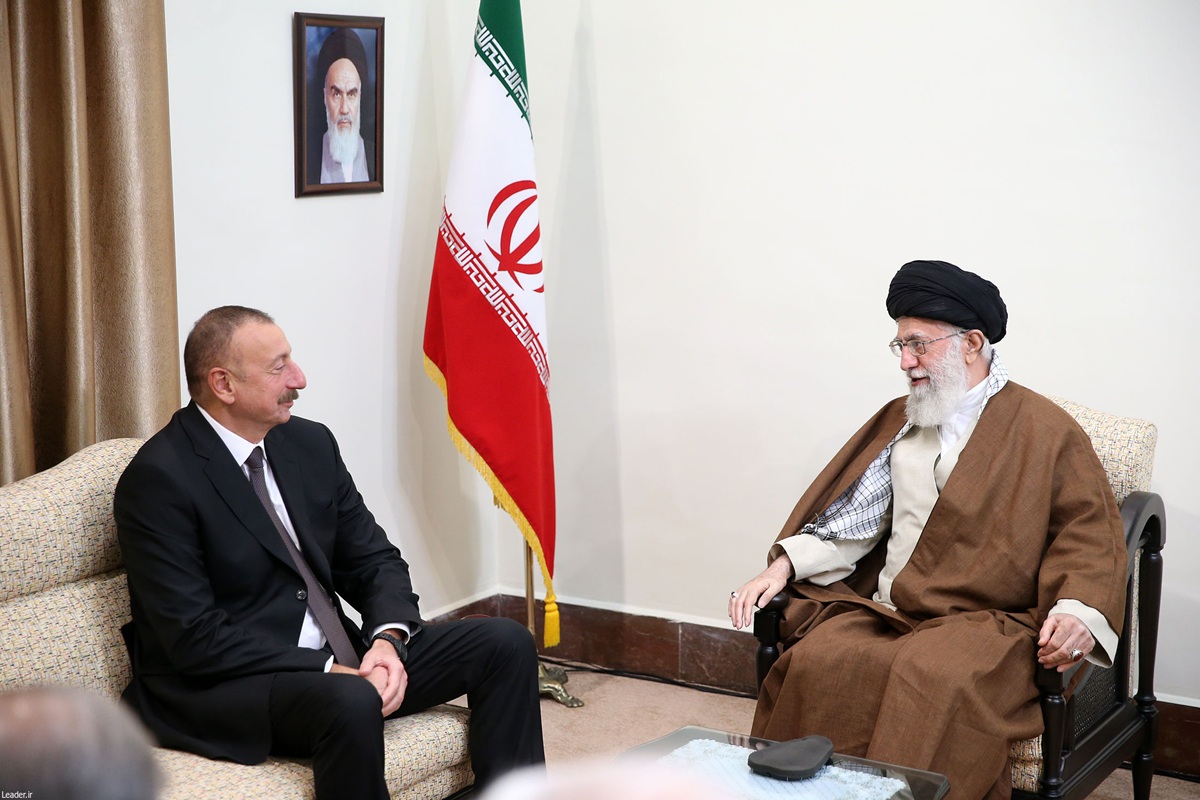
The conflict in the Middle East also involves the former Soviet republics, which historically have close ties with Tehran. Strong emotions in Baku over the killing of Khamenei, who was of Azerbaijani origin. Azerbaijan, which also has relations with Israel, is a crossroads for the evacuation of foreign citizens from Iran. From Kazakhstan, Tokaev aligns himself with the Arab countries but calls for a “peaceful solution”.
Astana (AsiaNews) - The escalation of the conflict in the Middle East is being viewed with great concern in Central Asia and the Caucasus, countries that historically have had very significant relations with Tehran but at the same time in recent years have greatly strengthened their relations with the United States. These areas are also crucial at this time for air routes to East Asia, given the impossibility for many airlines to fly over Iran, the Gulf and Russian airspace.
The President of Kazakhstan, Kasym-Žomart Tokaev, has sent a message to the Arab countries of the Persian Gulf, in light of the ongoing war against the Iranian regime, expressing his support and solidarity to the United Arab Emirates, Saudi Arabia, Qatar, Bahrain and Kuwait. He condemned “any military action that calls into question the sovereignty and security of Kazakhstan's friends and brothers”.
Tokaev called for all conflicts to be resolved “exclusively by peaceful means”, offering concrete aid to the Arab states. The Uzbek Foreign Ministry also expressed its concern about the escalation of the conflict in the Middle East, issuing a statement calling on the parties involved “to show restraint and avoid further aggressive actions, which would lead to unpredictable consequences not only of a military and political nature, but also humanitarian”. The Uzbeks insist on the “reasonableness of resolving the crisis on the basis of international law, the possibilities for political and diplomatic dialogue and mutual understanding”.
The Tashkent ministry also recommended that Uzbek citizens ‘focus on official information’ and ‘stay in touch with diplomatic representatives’, carefully keeping their documents and complying with all necessary regulations. Azerbaijan also discussed the situation in Iran at an international level with colleagues from the Canadian and Spanish embassies, expressing concern about the escalation of the conflict.
The news of the death of Ayatollah Khamenei, who was of Azerbaijani origin, has stirred strong emotions in Baku, a country that has long had established relations with Israel and signed agreements with Trump to end the war with Armenia. Azerbaijani Foreign Minister Ejkhun Bajramov contacted his Iraqi counterpart Fuad Hussein, insisting on the need to show restraint and prioritise diplomatic channels, while also stressing the importance of defending the civilian population and infrastructure as a priority task. Bajramov also spoke with the foreign ministers of Canada and Spain, Anita Aland and José Manuel Albares Bueno, who, in addition to tensions in the region, addressed security issues and the possibility of evacuating Canadian and Spanish citizens from Iran via Azerbaijan, if necessary.
Anand thanked the Azeris for the transit conditions provided by Baku during the military crisis in July last year. Kazakhstan and Uzbekistan have, however, blocked flights transiting through Iranian airspace, as announced by Air Astana between Almaty and Medina, Dubai, Doha and others, some of which have been diverted to Delhi.
The airline said it would “closely monitor the situation” and try to find solutions for all passengers. Some flights from Uzbekistan returned to their departure airports in the directions Tashkent-Dubai, Andijan-Medina, Medina-Tashkent and Jeddah-Tashkent, according to Uzbekistan Airports.

.png)










