








Farewell to Father Pieris, Sri Lankan theologian of interfaith dialogue
Father Aloysius Pieris died in Sri Lanka at the age of 92. He was the first non-Buddhist to earn a doctorate from the University of Sri Jayewardenepura. A scholar of Eastern religions, he founded the Tulana Research Centre in 1974, also very active in social work. He was the first Asian member of the editorial board of the magazine Concilium.
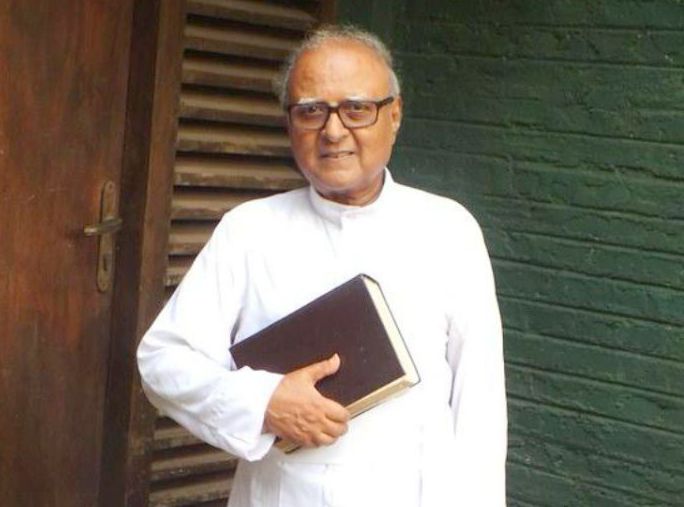
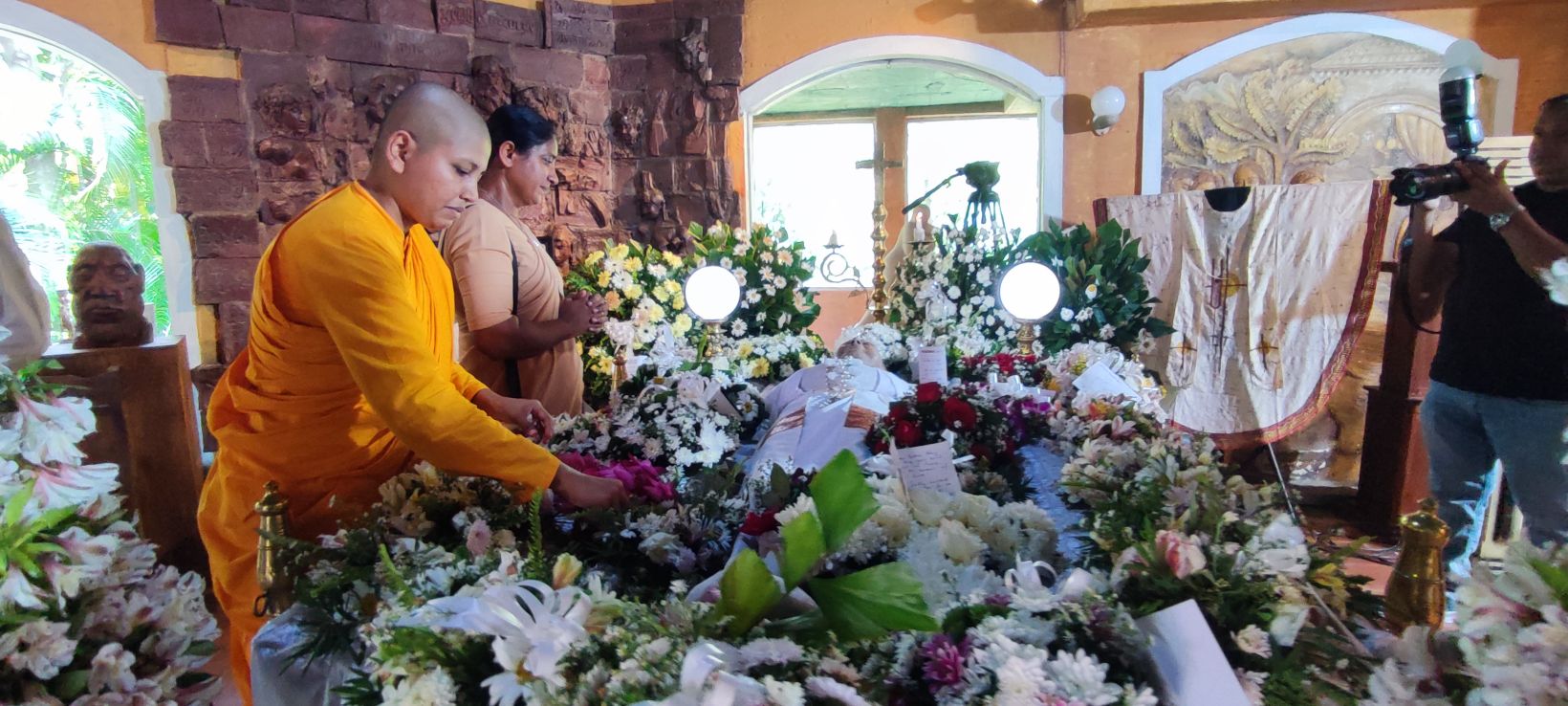
Colombo (AsiaNews) – Father Aloysius Pieris, a Sri Lankan Jesuit theologian, Indologist, and Buddhist scholar, died on Sunday at the age of 92, after a long illness.
He was the founder of the Tulana Research Centre for Encounter and Dialogue in Gonawala, Kelaniya, a suburd in the Sri Lankan capital of Colombo, where he always led a simple life deeply inspired by faith, rendering a valuable service to the promotion of interfaith harmony.
Known as Father Aloy, he was the first non-Buddhist to earn a doctorate in Buddhist philosophy from the University of Sri Jayewardenepura, studying under the influential monk Walpola Rahula.
The Tulana Research Centre for Encounter and Dialogue was founded in 1974 as a vital space for dialogue. More than an institution, over the years, it became a place capable of fostering interfaith relations, artistic expression, and social commitment.
According to Mahinda Namal, a Catholic teacher and social justice activist, the centre fostered deep encounters between Buddhism and Christianity, expressed through the art created by both monks and Christian artists.
Furthermore, Tulana kept social memory alive, commemorating the victims of violence across Sri Lanka's ethnic and religious divides. Through its media initiatives, it also guided young people into the world of film, radio, and theatre, without distinction.
Father Aloy also dedicated himself to establishing a Centre for Education of Hearing-Impaired Children (CEHIC), offering hearing aids and speech therapy as well as promoting the children’s full integration into society.
His efforts to enculturate the liturgy, integrating local cultural forms into Christian worship, have left an indelible mark on the Church of Sri Lanka.
“A prolific writer, Father Pieris authored more than 30 books and over 500 research articles. His landmark work, An Asian Theology of Liberation (1988), has been translated into multiple languages and remains influential," said Mahinda Namal.
“He also served as editor of Vagdevi: Journal of Religious Reflection and Dialogue and was a founding editor of the international journal DIALOGUE. He was the first Asian member of the editorial board of Concilium, a prominent European theological journal,” Namal added.
Sister Rasika Pieris, a feminist theologian and human rights activist, spoke to AsiaNews about the clergyman.
For her, “He was a beloved father who earned respect in the world for his broad vision, filled with profound human qualities that are rarely found in someone who has not only theoretical knowledge but also a vast knowledge and experience of life.”
Father Amila Jeevantha, a Catholic priest and human rights activist, shared his thoughts with AsiaNews.
"The first day I met him, at the age of 17, marked a decisive turning point in my life, the beginning of a transformative journey," he said. “He encouraged our group of students by convincing us that working fearlessly for justice was not merely a value of life, but a sacred human duty. He laid the foundation for a profound spiritual bond that would transform my life”.
Father Jeevantha also remembers moments of tension between Father Aloysius Pieris and Church authorities during the years when dialogue and liberation theology were viewed with suspicion.
“I was warned that unless I severed ties with him, I would be expelled from the seminary. Yet this only deepened my affection and attachment to this exemplary priest-teacher,” the activist said.
Funeral photo: Thilina Alahakoon

.png)










