








First talks after three years of violence in Manipur as government meets with Kuki-Zo
Recently, the state government led by Yumnam Khemchand Singh met with the Kuki-Zo Council for the first time, issuing an appeal to "forgive and forget". The meeting marks a first step towards reconciliation, but tensions and deep mistrust remain between the communities.
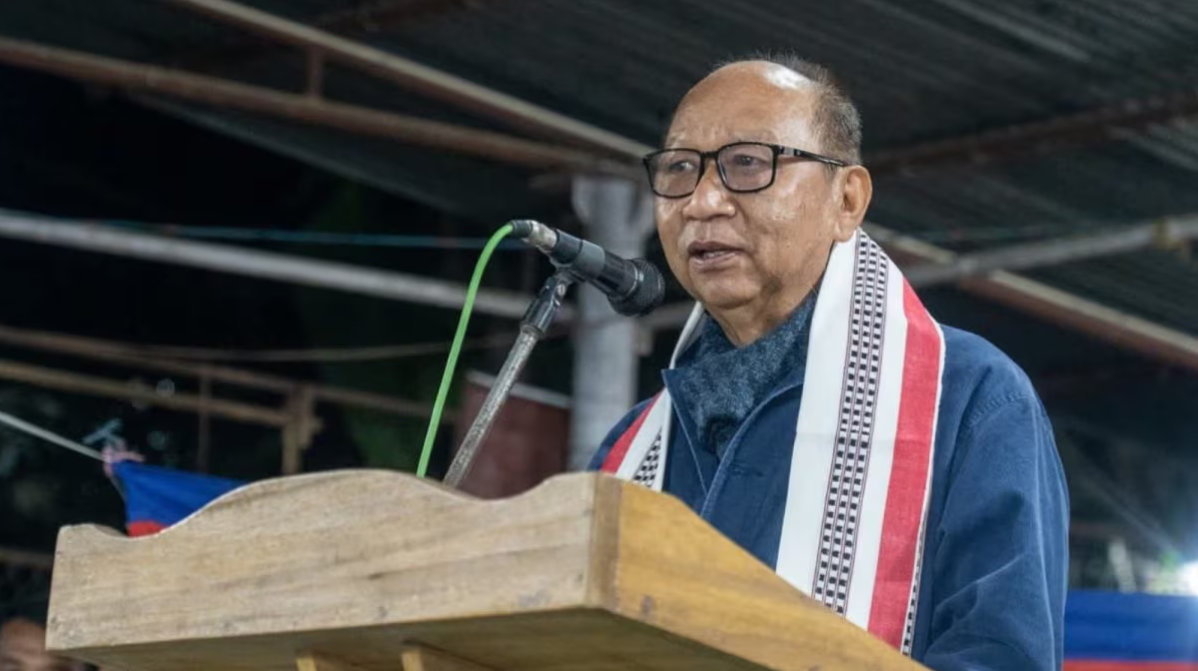
Imphal (AsiaNews) – After nearly three years of ethnic clashes, a glimmer of hope for dialogue has emerged in the Indian state of Manipur.
Last Saturday, Chief Minister Yumnam Khemchand Singh met with representatives of the Kuki-Zo Council (KZC) in their first direct meeting since the outbreak of violence in May 2023.
During the event, held in Guwahati, Assam State (a neutral location chosen to ensure greater security for Kuki-Zo ethnic leaders, who are reluctant to travel to the predominantly Meitei Imphal Valley), the parties engaged in initial talks that lasted approximately an hour and 45 minutes, according to the KZC.
The chief minister stressed the need to rebuild trust between ethnic groups (Kuki, Meitei, and the Naga minority), stating that it is essential “to forgive and forget" to restore normalcy in the state.
“How long can central forces keep guarding people? Until we forget and forgive what has happened, we cannot move forward,” Singh said, speaking to the media the next day.
For its part, the KZC delegation touched upon a series of key issues, including the need to reduce tensions between the Kuki and Naga communities, ensure justice for victims of the conflict, and accelerate negotiations with the armed groups that have signed the suspension of operations agreement.
This agreement, first introduced in 2008 and revised in September last year, provides for stricter controls on the possession and use of weapons.
Tribal representatives also emphasised the importance of maintaining a buffer zone in the most sensitive areas until a political solution is reached. Although the government denies the formal existence of such zones, it has acknowledged that some areas are subject to special security measures.
Despite the cautious optimism expressed by Singh, who called the meeting a positive beginning, the situation on the ground remains critical. Thousands of internally displaced persons are still unable to return to their villages, and severe restrictions on movement persist, particularly along the Imphal–Kohima highway.
Violence erupted in May 2023 after a court decision that opened the possibility of granting the majority Meitei community "Scheduled Tribe" status, sparking protests from Kuki-Zo tribal groups, who fear repercussions on their land rights, access to resources, and overall demographic balance.
Reactions to the chief minister’s overtures have been mixed. Some groups, such as Kuki Inpi Manipur, one of the community's main representative bodies, have called the dialogue "political theatrics”, accusing the government of trying to avoid responsibility for the "genocidal acts and persecution" carried out in recent years.
This criticism is fuelled by a climate of mistrust, aggravated by the fact that as recently as 2024, the authorities themselves had declared the KZC a "non-existent entity”.
However, the KZC delegation reported in its statement that “the Chief Minister expressed great appreciation for the KZC’s initiative and its bold step in engaging with him during this challenging period”.

.png)
04/10/2024 16:11
08/11/2024 15:57
31/07/2023 16:54
14/02/2025 16:04










