








Fortify Rights reports abuse and inhumane treatment of Rohingya in Malaysia
In a news release, the NGO denounces the conditions of the Muslim refugees from Myanmar’s Rakhine State. More than 5,000 are held in migrant detention centres. Since Malaysia never ratified the refugee convention, it does not formally recognise their status.
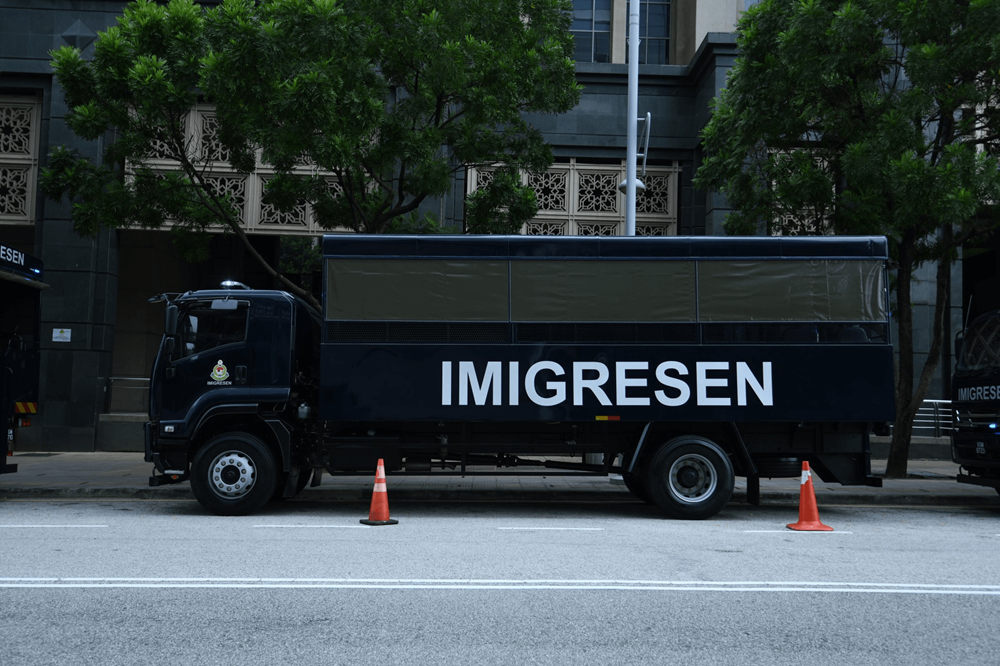
Kuala Lumpur (AsiaNews) – A new independent investigation by human rights organisation Fortify Rights highlights the plight of Rohingya Muslims in Malaysia.
Victims of persecution viewed by some as akin to genocide in Myanmar since 2017, they were forced to flee in their thousands ending up in refugee camps in Bangladesh or landing on the coast of Malaysia after nightmarish sea voyages that remain largely undocumented.
In the country that is supposed to host them with openness, based on shared faith and diplomatic opportunity, they have encountered exploitation in the workplace and essentially indefinite detention in reception centres.
Fortify Rights has collected evidence in refugee camps highlighting the inhumane and degrading conditions in which many Rohingya live, sometimes for years, without legal recourse or access to court reviews.
A new refugee registration scheme, implemented in January by the Immigration Department of Malaysia of the Ministry of Home Affairs, will replace the current UN Refugee Agency’s registration; this ought to end the criminalisation of Rohingya and other refugees for "illegal entry”, recognise the ongoing persecution in Myanmar, and ensure their immediate release from detention.
“Malaysia’s immigration detention is notorious for being one of the most broken and abusive systems globally. Many detainees are held in horrendous conditions,” said Yap Lay Sheng, Senior Human Rights Specialist at Fortify Rights.
“For Rohingya, due to their manufactured statelessness, they can be detained indefinitely in legal limbo, subjected to years of severe abuse and inhumane treatment,“ Yap lamented.
According to the latest government statistics, the country’s Migrant Detention Centres (IDCs) are at capacity, a claim challenged by the National Human Rights Commission of Malaysia.
These facilities currently house more than 21,000 migrants and refugees, just a few hundred short of the government-reported limit of 21,530, with people from Myanmar constituting the largest group, 8,884, including 5,102 Rohingya.
Because the country has not ratified the 1951 Refugee Convention, the authorities do not formally recognise the legal status of refugees granted by the United Nations High Commissioner for Refugees.
Still, despite the lack of formal ratification of the Convention and other treaties protecting those fleeing persecution, Fortify Rights stresses that Malaysia is still bound by international human rights obligations prohibiting arbitrary arrest, indefinite detention, and the return of individuals to countries where they may face persecution, violence, or other forms of serious harm.
For this reason, the Immigration Department should immediately release detained refugees and end their criminalisation simply for seeking protection.
“The widespread abuses and violations of the rights of legitimate refugees in Malaysia are a direct result of Malaysia’s unwillingness to sign and abide by the UN Refugee Convention, which sets out clear guidelines on recognizing and protecting refugees,” said Yap Lay Sheng, cited in the Fortify Rights press release.
“Instead of tinkering with a migrant system already rife with abuse, Malaysia should abide by international legal standards and follow the U.N. Refugee Convention,” he added.

.png)
24/03/2023 13:21










