





-65221.html&is_video=&description=Islamabad+hosts+US-Iran+talks+and+avoids+UAE+pressure+%28for+now%29)


Islamabad hosts US-Iran talks and avoids UAE pressure (for now)
Talks between the United States and Iran to firm up a still shaky ceasefire began in the Pakistani capital today. However, the United Arab Emirates is withdrawing US$ 3.5 billion (over a fifth of Pakistan's reserves) to put political pressure on the South Asian country. For Archbishop Joseph Arshad of Islamabad-Rawalpindi, “war and conflict cause immense suffering” and this needs “solutions to problems through wisdom, tolerance and dialogue.”
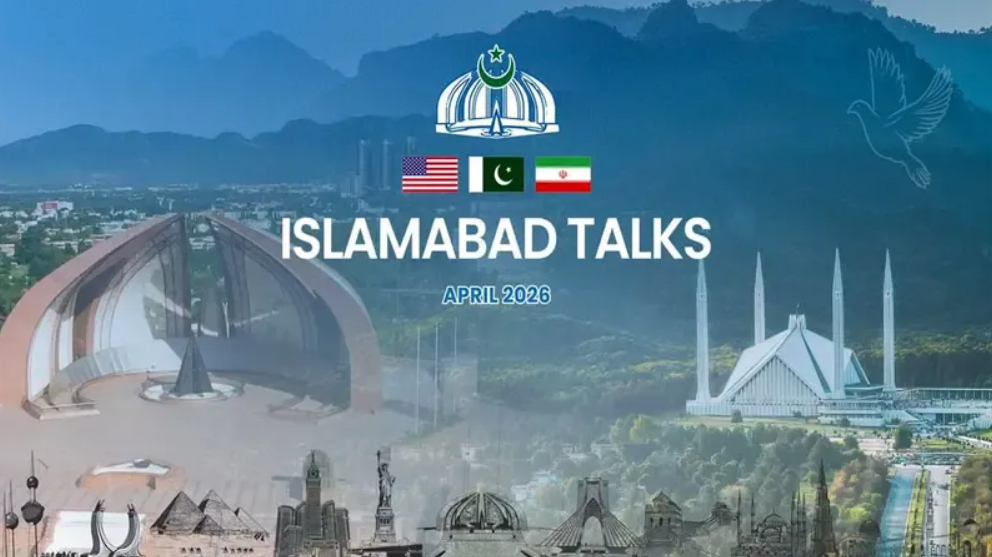
Islamabad (AsiaNews) – The long-awaited ceasefire talks between Iran and the United States began today in the Pakistani capital.
In a televised address, Pakistani Prime Minister Shehbaz Sharif said that the delegations were in Islamabad to end the conflict in the Middle East, but also stressed that a "difficult phase" was beginning and that the situation could prove "decisive” for the two sides, as they seek a more lasting agreement than the two-week ceasefire agreed upon so far.
The Iranian delegation, led by Parliament Speaker Bagher Ghalibaf and Foreign Minister Abbas Araghchi, arrived in Islamabad in the early hours of today and was welcomed by Deputy Prime Minister and Foreign Minister Ishaq Dar, National Assembly Speaker Ayaz Sadiq, Chief of Defence Forces Field Marshal Asim Munir, and Interior Minister Mohsin Naqvi.
US Vice President J. D. Vance also arrived in Islamabad, along with officials from the National Security Council, the State Department, and the Department of Defense.
The Iranian delegation arrived aboard flight Minab 168, named after the 168 girls who, according to Iranian authorities, were killed in a missile attack on 28 February, the first day of the war, when the Shajareh Tayyebeh girls’ elementary school in Minab was hit.
The decision to hold talks was facilitated by Field Marshal Asim Munir, widely considered the most powerful man in the country due to the traditionally dominant political role played by the military.
Speaking to the media, Foreign Minister Ishaq Dar expressed hope that the parties would act constructively, reiterating Pakistan's willingness to continue facilitating dialogue to reach a lasting and stable solution to the conflict.
In the days leading up to the talks that begin today, Pakistan's mediation role has become intertwined with growing economic and diplomatic tensions with the United Arab Emirates (UAE).
The latter has demanded the return of a US$ 3.5 billion deposit held at Pakistan's central bank, equivalent to around 21 per cent of the country's foreign exchange reserves.
The decision, described by Islamabad as a "routine financial transaction”, was accompanied by widespread criticism on UAE social media, where several users questioned Pakistan's position in the conflict, accusing it of prioritising diplomacy over solidarity with a historic ally.
The coordinated nature of these reactions, in a country where social media is tightly controlled, suggests that UAE authorities have decided to use dissatisfaction as a form of diplomatic leverage.
The withdrawal of funds, expected to be completed by the end of the month, is severely impacting Pakistan's finances, already under pressure following the repayment of a US$ 1.4 billion Eurobond.
Abu Dhabi's move appears to be a political signal, a reminder to Pakistan, that it should consider more the security concerns of Gulf states, which have been hit hard by Iranian retaliation during the war.
Pakistan could cushion the economic blow through new commercial loans of up to US$ 1 billion and an expected US$ 1.2 billion from the International Monetary Fund.
Still, there is a strong sense of pride in the country for the mediating role it is playing.
Ahead of the talks, authorities declared a two-day holiday in the capital Islamabad: streets emptied and around 10,000 police officers and security forces have been deployed.
“It is going to be a historic one, which would be the first direct high-level engagement since 1979, and right now Pakistan is in a unique position as our country is playing a very positive role in building peace among the great countries at war,” said human rights activist Anil Adger speaking to AsiaNews.
“The role of Pakistani leadership in the ceasefire efforts is commendable,” said Archbishop Islamabad-Rawalpindi Joseph Arshad, who was very positive about the initiative.
The prelate paid tribute to Pakistani authorities at a Catholic seminar dedicated to the country's historic role in mediating between the United States, Iran, and Israel:
“Pakistan played a responsible and effective diplomatic role and made serious efforts for peace and stability in the region,” the archbishop said, adding that, “war and conflict cause immense suffering and destruction to humanity; therefore, world leaders should find solutions to problems through wisdom, tolerance and dialogue.”
Ultimately, he also noted that “for lasting peace, it is necessary for all parties to promote tolerance, understanding and mutual respect.”

.png)
14/01/2021 14:09
12/10/2021 12:57
18/02/2021 14:58
06/05/2022 15:03










