








Malaysian rights group reports a record number of cases of racism and intolerance in 2025
Out of 107 recorded cases, 43, or about 40 per cent, involve parliament. This is the highest figure in the last 11 years, when the survey began. For the report, it is "a mirror held up to our society." Meanwhile, the arrest of a journalist is fuelling fears about freedom of the press and information.
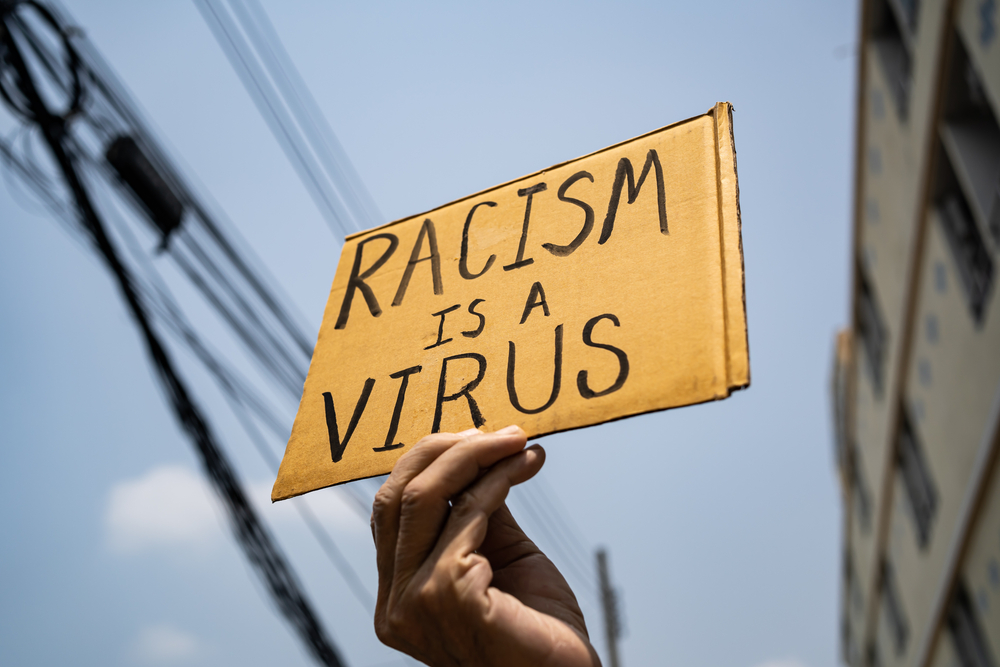

Kuala Lumpur (AsiaNews) – Malaysia saw a record number of cases of racism in 2025, this according to a study released yesterday.
Conducted by the human rights organisation Pusat KOMAS, the Malaysia Racism Report 2025 provides a snapshot of a society where critical elements emerge, particularly regarding tolerance and coexistence.
Specifically, it documents at least 107 incidents of racism and intolerance last year, the highest number since the survey began 11 years ago.
The study highlights persistent structural discrimination and a rise in racist rhetoric, particularly in political life, and calls for urgent reforms and greater accountability.
It details incidents across social settings, public discourse, and government institutions, highlighting what it describes as “deeply embedded patterns of discrimination."
“This report is not just a compilation of incidents. It is a mirror held up to our society,” said Pusat KOMAS director Jerald Joseph.
Of the 107 recorded cases, 43, or about 40 per cent, involved parliament, making it the largest and most critical category overall.
The report attributes this to the growing use by elected officials of racialised majority narratives, xenophobic language, and religiously motivated rhetoric, a trend that risks normalising divisive language at the highest levels of the state.
Deputy Minister for National Unity Yuneswaran Ramaraj acknowledged the problem, stating that divisive narratives can undermine trust.
“Politicians and Members of Parliament must take greater responsibility to lower the temperature when the fires of racism flare,” he said.
In addition to politics, the report notes that racism continues to impact everyday life, including the workplace, education, and housing. These cases, though less visible, often have a major impact on individuals and communities.
Yogavelan Balamurli, of Pusat KOMAS, said the findings also highlight systemic gaps.
“Racism in Malaysia is not isolated — it is structural, reproduced through policies, narratives, and everyday practices,” he explained.
Officials also raised concerns about the role of digital platforms. Yuneswaran highlighted how many hateful comments circulating online appear to be generated or amplified by artificial intelligence, complicating efforts to manage public speech.
The deputy minister reiterated the government's commitment to boosting national unity, including the creation of an independent Harmony Commission and the promotion of more inclusive political frameworks.
Meanwhile, the arrest of journalist Kalidas Subramaniam, who was documenting the conditions of undocumented migrant workers, has drawn harsh criticism from Charles Santiago, a former MP for the Klang constituency.
At a time of great concern over rights, such an episode is "deeply troubling,” he said, and a threat to press freedom in the country.
For Santiago, detaining a reporter in the course of his work sends a dangerous signal not only to media practitioners but also to the wider public.
“Journalists play a critical role in documenting realities that are often deliberately obscured, particularly when it comes to vulnerable communities,” the former lawmaker said in a statement. “To arrest a reporter for doing his job sends a chilling message to the media and undermines the public’s right to information.”
Kalidas was reportedly detained under alleged trespassing provisions while investigating the living and working conditions of undocumented migrant workers – an issue Santiago described as both sensitive and systematically hidden from public scrutiny.
Malaysia relies heavily on migrant labour, particularly in sectors such as construction, plantations, manufacturing, and domestic work.
While millions of foreign workers form the backbone of the economy, a significant number remains undocumented, often due to systemic failures, exploitative recruitment practices, and bureaucratic hurdles.
Undocumented workers are especially vulnerable to abuse, including unpaid wages, unsafe working conditions, and the constant threat of arrest and deportation.

.png)
07/02/2019 17:28
17/07/2023 16:46
14/12/2020 09:50










