








Myanmar: one year on from the earthquake, the Church remains on the front line
Twelve months after the earthquake which, according to official figures, claimed at least 5,000 lives, Caritas and CAFOD continue to support the affected communities. Many people are still displaced and living in even more precarious conditions due to poverty and civil war. Reconstruction remains slow and the needs are still enormous, warn organisations on the ground.
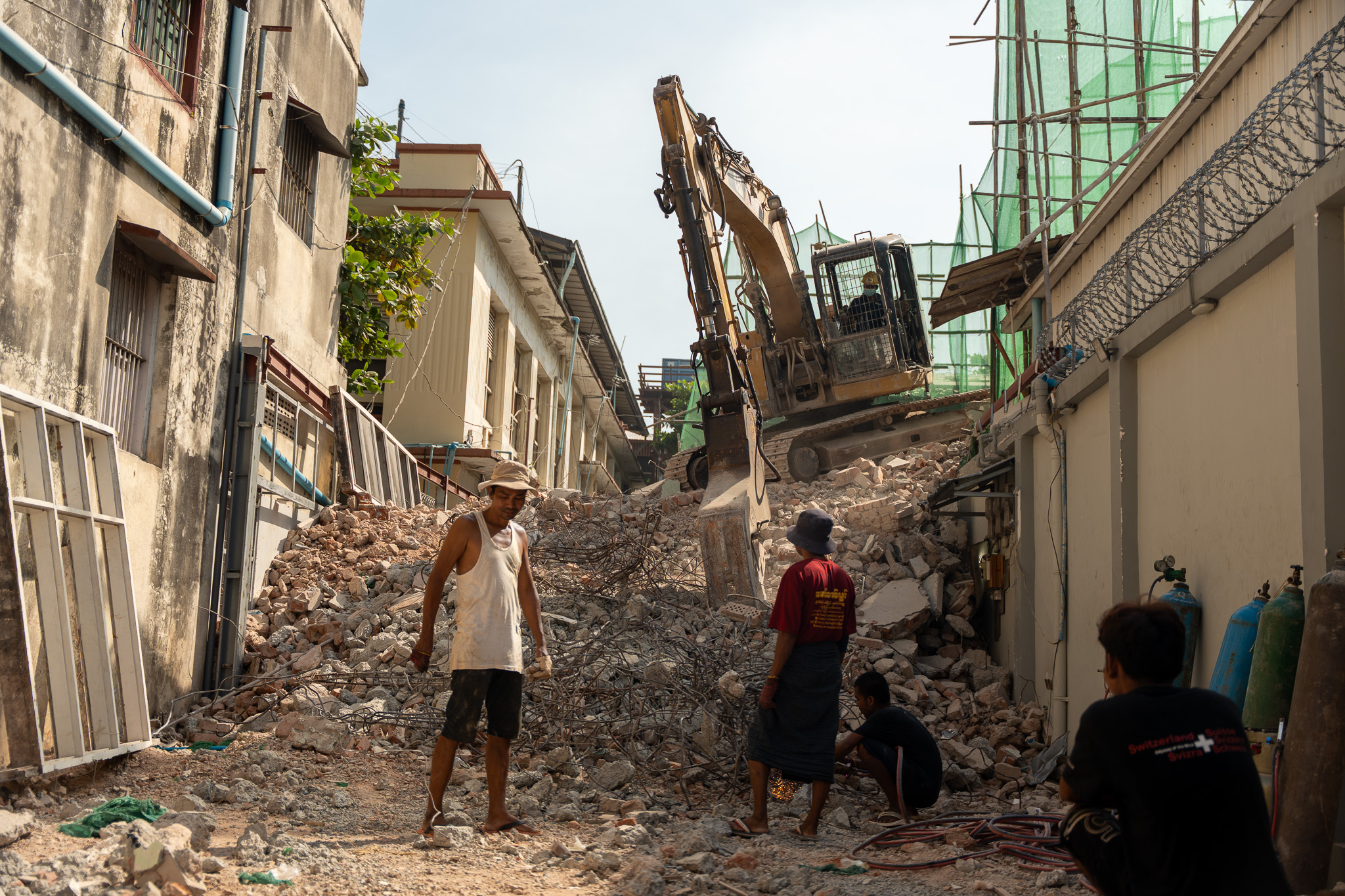
Yangon (AsiaNews) - One year on from the devastating earthquake that struck Myanmar in March 2025, Christian organisations continue to be one of the main sources of support for the affected communities.
According to official data released by government sources, the 7.7-magnitude earthquake caused over 5,000 deaths, at least 10,000 serious injuries and tens of thousands of displaced people, exacerbating a humanitarian crisis already deepened by the civil war that broke out in 2021. In the central regions of the country, which were hardest hit, up to 70% of buildings suffered severe damage or collapsed completely.
Whilst international attention had focused on other countries in the region during the early stages of the emergency, due to difficulties in accessing the earthquake-affected areas in Myanmar, an immediate response came from local Catholic organisations. The Caritas network and the CAFOD agency collaborated to provide food, water and shelter to thousands of displaced people. In particular, Karuna Mission Social Solidarity (KMSS), the operational arm of the Catholic Church in the country, transformed churches and parish facilities into reception centres.
Relief operations took place under extremely difficult conditions due to constant communication disruptions and restrictions on movement. Volunteers from local parishes continued to deliver aid even to the most isolated areas, reaching communities excluded from government assistance.
The response of the military junta, in power since the coup d’état in February 2021, has been the subject of harsh criticism. Humanitarian workers reported that aid convoys were blocked, residence permits were used as a tool for control, and access was severely restricted in the areas most devastated by the earthquake.
A year on, the immediate emergency has given way to a more complex and protracted crisis. Many families are still grappling with damaged farmland and destroyed homes. Rising prices of basic necessities and the civil war, particularly in the central Sagaing region, are making recovery even more difficult. Children and families who were already living in precarious conditions before the earthquake now find themselves in an even worse situation, despite the assistance received. Millions of people across the country also remain displaced due to ongoing violence and seasonal flooding, making the reconstruction process even more complex.
Christian organisations such as Caritas and CAFOD remain at the forefront of providing assistance, but stress that needs remain enormous, particularly in terms of rebuilding homes and restoring livelihoods. The road to a genuine recovery, they warn, is still a long one.

.png)
11/08/2017 20:05










