








Nationalism and the ‘Anutin factor’ lay the path to victory in Thailand’s elections
Defying predictions, the Bhumjaithai Party is leading in the seat count by a wide margin. Outgoing Prime Minister Anutin Charnvirakul, a populist businessman who got a boost by the conflict with Cambodia, also won in Pheu Thai strongholds. The reformist People's Party, unable to reach beyond young voters and urban middle class, was defeated. A yes vote in the referendum opens to the way to changes to the military-imposed constitution.
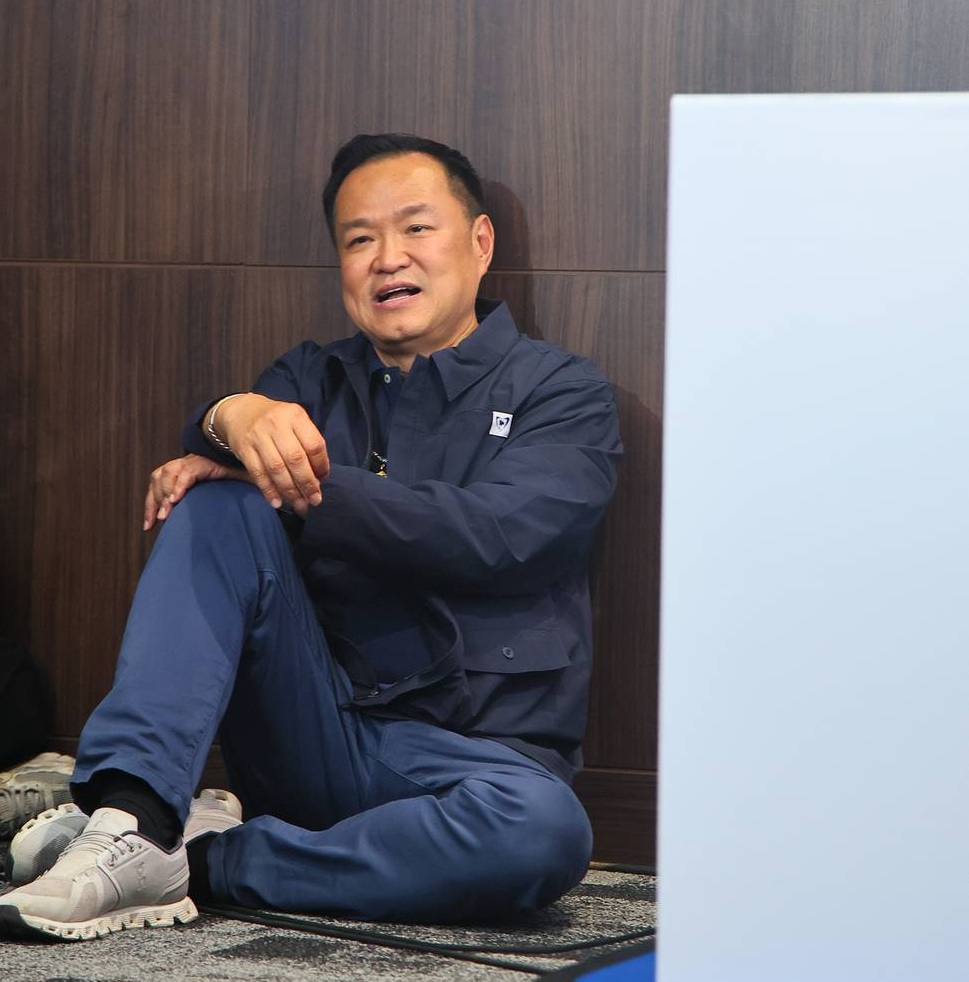
Bangkok (AsiaNews) – The victory of the Bhumjaithai Party in yesterday's Thai elections, led by incumbent Prime Minister Anutin Charnvirakul, was anything but expected, yet it was a resounding result.
According to unofficial data from the Election Commission, the ruling party is expected to win 193 out of 500 in the House of Representatives (lower house), and their most likely ally, the Klatham Party, another 58, thus paving the way for a coalition government.
The People's Party, favoured in pre-election polls and the preferred choice of progressive voters for years, dropped to 118 seats. In past elections, it was unable to govern due to shifts in alliances and steps taken by the Election Commission and the courts.
The last major party, Pheu Thai, closely linked to the shifting fortunes of former Prime Minister Thaksin Shinawatra's family, is said to have obtained 74 seats.
The defeated parties accepted the result, but there have been calls for the Election Commission to recount the votes.
The referendum, held concurrently with the election and involving substantial changes to the current constitution, imposed by the military in 2017, resulted in a "yes" vote, meaning the new House of Representatives can begin the revision process.
By and large, observers agree on three points, which in some ways reflect the differing fortunes of the main parties.
The first is the "Anutin factor”, the personal charisma of the incumbent prime minister. A member of one of the largest family-owned Thai construction firms who served as minister in different portfolios, he was able to convince voters that he was going to address and resolve the many problems facing Thailand without clashing with the elites and the tradition of patronage that so influences Thai society.
A proponent of both populist and conservative politics, he defines himself as a nationalist. This will be central to his policies, but he will soon have to grapple with the difficult border dispute with Cambodia, fuelled by their respective historical claims and questions of national identity.
The second point is the People's Party's demonstrated inability to go beyond its existing base of students, young people, and the urban middle class. The latter are less influenced by political and social traditions and see change, including a revision of the monarchy's relationship with the state, as a necessity to lift Thailand out of its economic and cultural doldrums.
This has led to the ongoing siege by traditional elites, the armed forces, and business groups, which has taken various forms, including repression, and has forced the party into multiple "reincarnations”, ultimately casting doubt about its very capacity of governing.
The third is the crisis of Pheu Thai, eroded by ineffective leadership and repeated rebranding under different names since it was founded in 2007 as Thai Rak Thai by businessman Thaksin Shinawatra, who won every subsequent election until the 2014 coup.
After it finished second in the 2019 elections, won by the pro-military party, and in the 2023 elections, it regained its governing role under the leadership of Thaksin's daughter, Paetongtarn Shinawatra, ousting the People's Party (then called Move Forward) in coalition with Bhumjaithai.
Forced out last September, it left the transition to the election in the hands of Bhumjaithai alone, suffering electorally yesterday from a credibility crisis caused by its ongoing association with the Shinawatra clan, which has been harmed by an ideological row and conflict of interests with the monarchy and the military.
The party also lost support among the less favoured classes in the north and east of the country, traditionally the Pheu Thai vote-getting power bases, some of whom voted for Bhumjaithai.
It will take at least two weeks for the 100 seats of the proportional quota to be determined, which could provide greater stability to the winning coalition that emerged from the polls.
The Election Commission is required to certify and release official election results within 60 days. After another 15 days (probably 24 April), the new parliament must convene and elect its speaker and deputy speaker.
To be installed, the new prime minister, most likely Anutin, will need the backing of half of all members of the House of Representatives, plus one.

.png)
16/12/2025 20:33
14/10/2025 17:15
04/09/2025 12:52










