








The veterans, Moscow’s cursed heroes
According to a report published and subsequently censored in the state media, as many as 250,000 men who have returned from the front are struggling to find work in Russia. The website Veter contacted some of them and recounted their stories, which take us back to the period following the Soviet Union’s war in Afghanistan, a time marked by many unresolved social tensions.
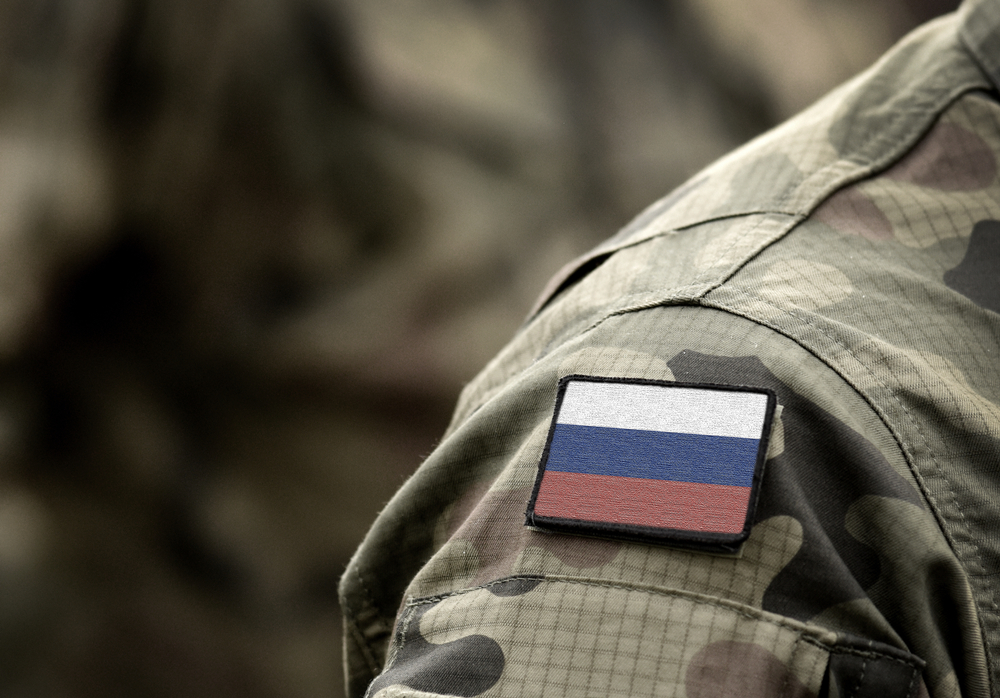
Moscow (AsiaNews) – In December 2025, Sergei Novikov, an official in the Moscow presidential administration, stated that the number of men returning from “special military operations” who were unable to find work had reached 250,000; state media were even forced to delete the report. Vladimir Putin regularly states that former servicemen need assistance in finding work and assigns tasks to his subordinates to this end.
Hundreds of specialised programmes have been launched in various regions of Russia; the “Defenders of the Fatherland” foundation is supposed to deal with this specifically, claiming to have helped more than half of the candidates find employment. In reality, as far as can be ascertained, many companies are afraid to hire former servicemen.
This is confirmed both by the testimonies of the ‘special operations veterans’ themselves and by reports that employers in various Russian regions have already been fined for failing to set aside quotas for veterans of the war with Ukraine and for refusing to hire them. The website Veter contacted a number of demobilised veterans of the war with Ukraine and described how they feel marginalised in civilian life.
Dmitry Bodjagin, a 52-year-old divorced worker from Cheboksary, not only volunteered for the war in Ukraine but also secured the approval of the local military recruitment office in advance. He says he had been trying to go to the front since May 2022 to “be of service to the country”, but was turned down twice due to his age and criminal record. “In 1994, two drunken policemen beat up a man and I defended him. I was charged with excessive self-defence,” he explains (in fact, he was convicted of causing grievous bodily harm with intent; his conviction was expunged in 1995).
Initially, the military recruitment office rejected Bodjagin, stating, “Do not tarnish the army’s reputation”; but the third time, in June 2023, “when they started conscripting anyone, even from penal colonies”, he was finally accepted. Once at war, Bodjagin realised that “today’s army is no longer what it used to be”, and “officers regard soldiers as cannon fodder”.
His 44-year-old brother died at the front in May 2024, and Dmitrij was also wounded, returning to civilian life in March 2024. He claims he never received any insurance compensation for his injuries: “I was taken to hospital too late and the commander didn’t draw up a report. What’s more, the documents stated that I had an illness, not injuries.”
He has tried to return to work: “I go for interviews; I have experience and a fifth-class qualification – everything’s fine, they’re happy to hire me – but as soon as they find out I’m a veteran of the air defence forces, they turn me down immediately. In total, I’ve been turned down by 16 companies in a year and a half,” he complains.
Before going to the front, Dmitrij Seleznev, a 37-year-old from Krasnodar, worked as a children’s swimming coach at a local school. In November 2022, he received a call-up from the military recruitment office. He had a wife and an eight-year-old son at home, and in May 2023 he was caught in a mortar attack and lost an arm.
After a month in a military hospital, he left the service and returned home. “I knew they’d hired a new girl to take my place in the swimming section, and as it happened, she was on maternity leave. The school was looking for a coach,” he says. “I went to see them. The headteacher hesitated, but didn’t feel she could turn me down, so she hired me.” I was working as usual, everything was going well, then a month later the headteacher called me in and told me that the pupils’ parents were opposed to me teaching: “It’s nothing personal; you’re a wonderful teacher, a good person, but everyone sees the news about the crimes committed by veterans returning from the war in Ukraine, and nobody wants to play Russian roulette.” I replied: “But I was defending my country…”, and she retorted: “And the parents are forced to protect their children from you. Well, that’s life.”
The website features many other similar stories, which take us back to the period following the Soviet Union’s war in Afghanistan, with so many unresolved social tensions. One of the reasons why Putin and the Russian leadership do not want to put an end to the ongoing conflicts – indeed, they are planning further ones for the future – is precisely to avoid having to deal with the internal conflicts within Russian society, where war veterans are increasingly marginalised, and an entire population is retreating into private interests, trying to keep their distance from any consequences of the war.

.png)
07/02/2019 17:28
11/08/2017 20:05










