








Tokyo takes a hard line on immigration with record deportations in 2025
Last year, Japan expelled 318 foreigners, a 30 per cent increase over the previous year, and is now aiming to speed up repatriation procedures, despite severe labour shortages. NGOs denounce the risk of violating the principle of non-refoulement of refugees and a growing climate of fear, even among those who have lived in the country for years.
Tokyo (AsiaNews) – The tightening of immigration policies in Japan is fuelling fear and uncertainty among foreign residents and asylum seekers, some human rights organisations report.
According to official data, a record number of 318 foreign nationals were expelled in 2025, a 30 per cent jump over the previous year and a direct consequence of the "Zero Illegal Foreign Residents Plan”, a policy launched last May to fast-track the expulsion of people who had applied for asylum multiple times.
Of the expelled migrants, 52 had applied for international protection three or more times.
The policy reflects Japanese society's growing intolerance toward the presence of foreigners whether residents or tourists.
The Japan Association for Refugees (JAR), however, is saying that the rise in expulsions is generating a climate of intense insecurity among foreigners, including those who have lived in the country for decades or risk persecution in their countries of origin, as well as minors who grew up in Japan and are perfectly integrated linguistically and culturally.
JAR has already reported cases of repatriated people facing persecution after returning, including a Kurdish family sent back to Turkey last year: the father was arrested upon arrival.
In 2025, Japan recognised 187 refugees, three fewer than the previous year, while asylum applications increased from 8,377 to 14,832.
Most residence permits were granted to Afghans, while 26 were to people from Yemen.
Overall, 12,636 asylum applications were rejected in 2025 alone. According to JAR, this included people who “clearly qualify as refugees”, like individuals from conflict areas or victims of violence and detention.
Among people from Myanmar for example, only nine out of 1,490 applicants were granted refugee status, the lowest figure since the military seized power in a coup in 2021 and sparked a civil conflict that continues today.
Japan’s conservative government led by Prime Minister Sanae Takaichi intends to continue with the Zero Plan, aiming to halve the number of undocumented people who have already received a deportation order, currently around 3,000 foreigners.
One of the plan's goals is also to reduce application processing times, which dropped from over 33 months in 2022 to less than six months, to prevent migrants from working during provisional release periods and thus complicate deportations.
According to several observers, the public debate is being influenced by rising xenophobic attitudes, driven in turn by a downturn in the economy, a trend that contributed to the electoral success of the hard line proposed by the current government in the February elections.
At the same time, however, the foreign presence in Japan, which is severely short of labour, continues to grow: in 2025, it surpassed four million people for the first time, up by nearly 10 per cent.
Chinese nationals represent the largest group (over 930,000), followed by Vietnamese (681,000) and South Koreans (407,000). Communities from Myanmar (+36 per cent) and Indonesia (+33 per cent) are also growing at a fast pace.
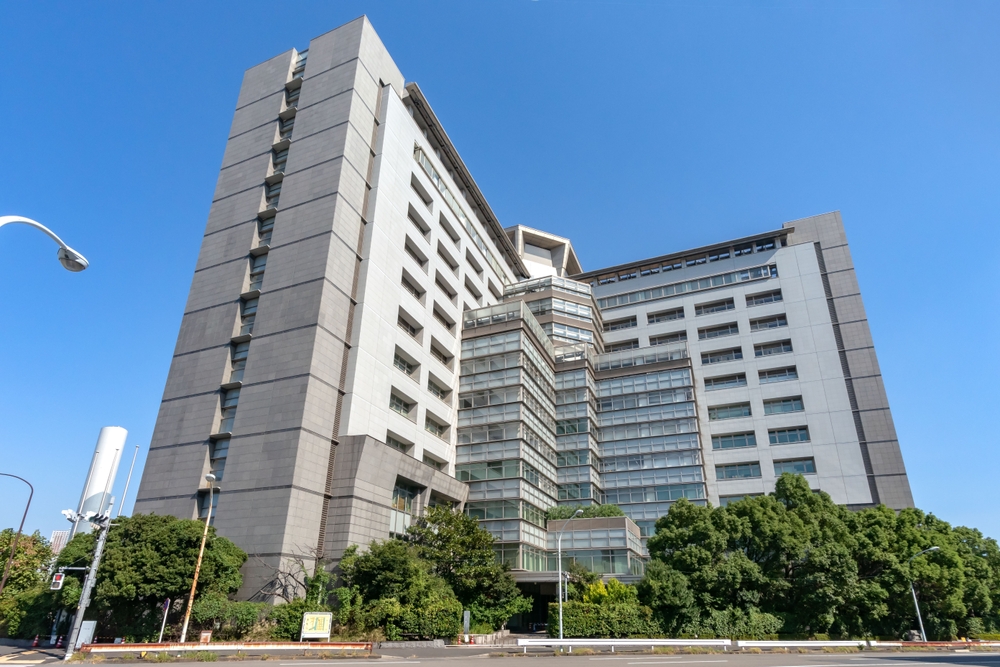
Photo: Tokyo Immigration Office in Minato-ku, Tokyo, Caito/Shutterstock

.png)
11/10/2025 14:58










