








World Cup betting: 85 arrests in Hanoi, but the business is growing
Several recently dismantled networks moved around 133 million dollars through online platforms based in Cambodia. The Vietnamese government has stepped up its crackdown, but the ban on gambling continues to fuel an illegal market linked to money laundering, online fraud and human trafficking.
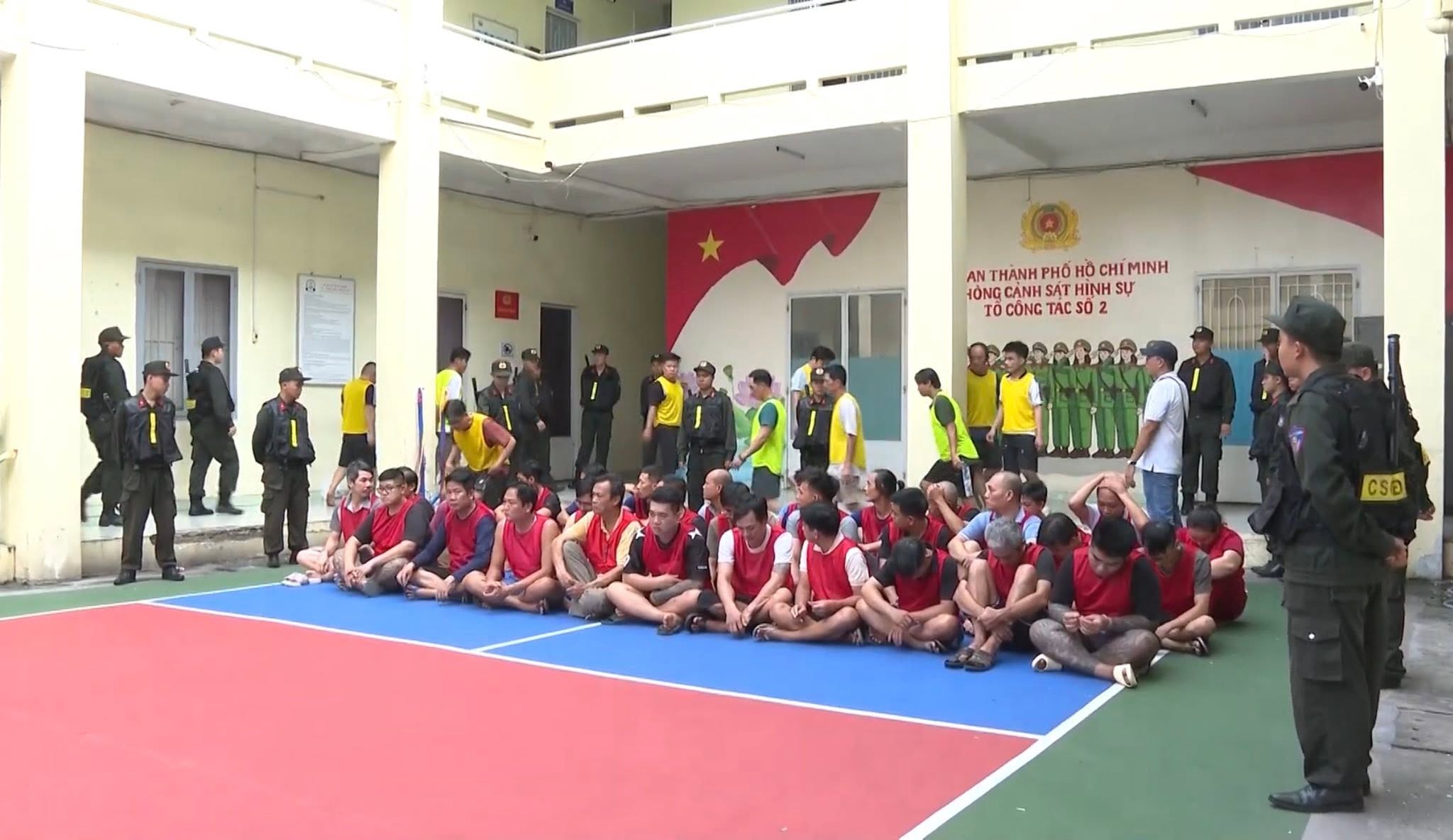
Hanoi (AsiaNews/Agencies) – Vietnamese police have arrested 85 people accused of running two large-scale illegal betting networks linked to the World Cup, with an estimated turnover of around 133 million dollars.
The operation, announced by the authorities in Ho Chi Minh City, forms part of the government’s campaign against gambling, which remains largely illegal in Vietnam. However, during events such as the World Cup, there is a surge in betting.
According to the police, the two organisations had been active since at least last October and operated through a pyramid-style structure. The ringleaders received ‘master’ accounts for the online betting platforms – that is, the main access points to the illegal sites – from intermediaries based in Cambodia.
These were then split into a network of secondary accounts assigned to local intermediaries, who in turn recruited punters in Vietnam, collecting bets and managing payments. In this way, the platforms – despite being hosted abroad – managed to operate in Vietnam through a network of local agents.
This modus operandi is not dissimilar to that used to recruit victims who end up working in ‘scam centres’ – online fraud operations – which are proliferating across South-East Asia, particularly in border towns such as Poipet, Bavet and Sihanoukville in Cambodia.
This latest raid forms part of a wider crackdown by the Vietnamese government. The Ministry of Public Security has announced that in the first twenty days of the World Cup, law enforcement agencies dismantled 73 illegal gambling networks, arresting 346 people involved in clandestine football betting. The total value of the seized transactions amounts to “thousands of billions of dong”, equivalent to several hundred million dollars, the authorities reported.
Gambling continues to thrive thanks to platforms based abroad, particularly in Cambodia (where casinos are legal for foreigners, whilst online gambling was officially banned in 2020) and the Philippines, which are easily accessible via a VPN or messaging apps.
The sector remains a major challenge for the Vietnamese authorities. According to the United Nations Office on Drugs and Crime (UNODC), online gambling is among the most lucrative activities of organised crime in South-East Asia, with financial flows reaching tens of billions of dollars each year and networks increasingly intertwined with other activities, including money laundering, cyber fraud and human trafficking. The proliferation of casinos and digital platforms in neighbouring countries, particularly Cambodia and Laos, has made it particularly difficult for Hanoi to curb the phenomenon.
However, like other governments in the region, Hanoi has so far adopted an ambivalent approach. On the one hand, it maintains a general ban on citizens taking part in betting and casino activities; on the other, it has launched a number of limited initiatives to allow Vietnamese citizens access only to certain authorised casinos, in an attempt to retain within the country some of the funds that currently end up in illegal circuits or across the border.
Many analysts believe that Cambodia, in particular, is only taking token action against scam centres because several figures within the government are linked to these illicit businesses. For now, however, the liberalisation proposed by Vietnam is proceeding slowly and applies only to a few selected tourist complexes.

.png)










