








Yemen war risks flaring up again after Houthis attack pro-Saudi govt forces
At least 16 soldiers were killed and 22 wounded in an incident south of the Red Sea port city of Hodeida. A military source calls it the "deadliest Houthi attack in years." This could have serious repercussions on the fragile truce in Iran and spark new clashes in the country, where the war has claimed more than 10,000 lives since it broke out in 2014, leaving the population starving.
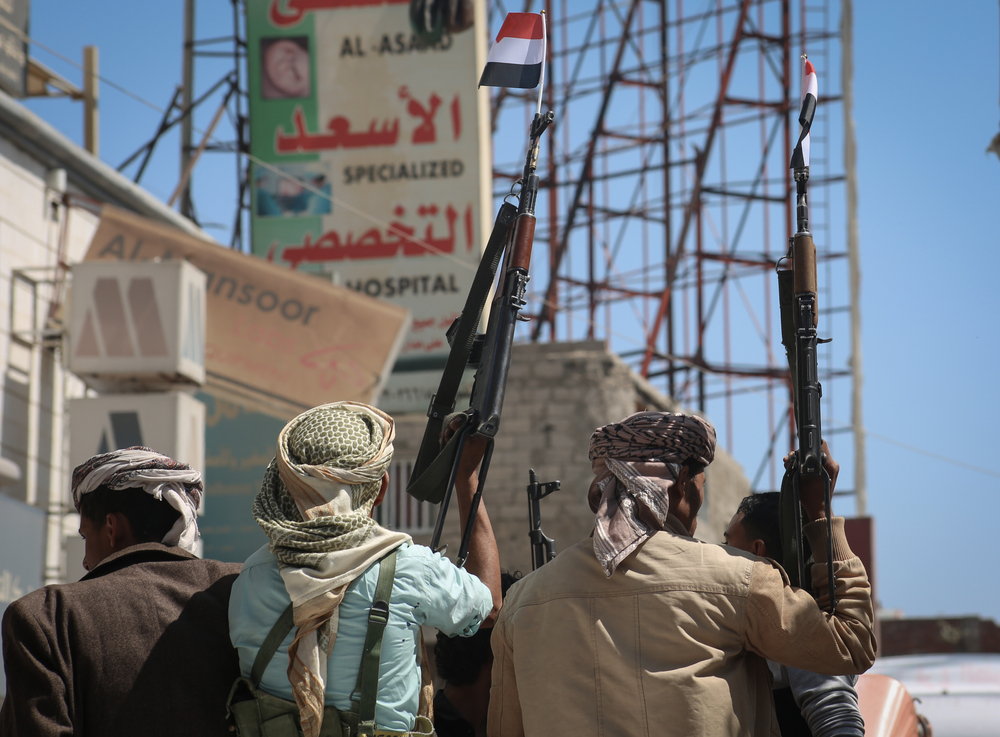
Riyadh (AsiaNews) – As Tehran celebrates the solemn funeral of Grand Ayatollah Ali Khamenei, killed in late February on the first day of US-Israeli attacks on Iran, and the international community remains busy shoring up the fragile truce in the Gulf, violence in Yemen is flaring up again.
In the past few hours, at least 16 soldiers from the pro-Saudi government have been killed in an attack by Houthi rebels south of the Red Sea port city of Hodeida. According to medical sources reported by AFP, 22 other people were wounded in the same attack, some seriously.
The Iran-backed militia reportedly captured, at least temporarily, some government positions before being pushed back. An anonymous military source described the operation as "the deadliest Houthi attack in years," raising fears of an escalation between the two sides that could further inflame an already destabilised Middle East.
Walid al-Qudaimi, a state minister and cabinet member aligned with Yemen's internationally recognised government, confirmed that soldiers from the Tihama region died during fighting in the Jabal Dabbas area.
Violence has also been escalating along the country's western coast. In a post on X on Saturday evening, al-Qudaimi said that the troops were killed “defending their land and dignity” during a fierce battle, following an attack launched the previous day by the Houthis.
The government counterattack over the weekend led to the recapture of positions lost for a few hours. Houthi snipers caused most of the casualties, Houthi drones and mortars hit pro-government positions.
Another military official said that pro-government forces had repelled the Houthi attack in "clashes lasting several hours," with Houthis suffering casualties but he did not cite any reliable numbers of dead and wounded.
The Houthis reportedly threatened to strike key airports and infrastructure in Saudi Arabia again, accusing Saudi Arabia of trying to prevent an Iranian civilian plane from landing in Sana'a.
Rebel sources say the plane was carrying more than 200 people, including civilians and a delegation headed for Khamenei's funeral.
The group controls the capital, Sana'a, and much of northern Yemen, including the port city of Hodeida on the western Red Sea coast. The Aden-based, internationally recognised government holds much of the south.
The front lines have remained largely frozen since a 2022 UN-brokered truce, although sporadic violence has continued.
Off the coast of Hodeida, a cargo ship reportedly requested assistance after an attack by unidentified gunmen, another sign of the regional crisis, already complicated by events in the Strait of Hormuz.
According to the Joint Maritime Information Center, the threat level between the Gulf and the Red Sea remains high with reports of continued interference with satellite navigation systems, drone activity, and the presence of suspected mines.
The war in Yemen broke out in 2014 pitting the pro-Saudi government and Shia Houthi rebels backed by Iran, escalating in March 2015 after the intervention of a Saudi-led Arab coalition, resulting in more than 10,000 dead and 55,000 wounded. Independent sources estimate the death toll (between January 2016 and the end of July 2018) at approximately 57,000.
The United Nations has described the situation as the “worst humanitarian crisis in the world”, which was eventually compounded by COVID-19 and a food crisis that has had a “devastating effect” for the civilian population with millions of people on the brink of starvation, and children expected to suffer the consequences for decades.
The clash between the Houthis and pro-Saudi government forces also reflects a proxy war between Saudi Arabia and the United Arab Emirates, a reflection of the deep rift between the two Sunni Gulf powers.
Notwithstanding the fighting, the humanitarian issue is becoming progressively worse. Last January, the International Rescue Committee (IRC) raised the alarm about a disastrous humanitarian situation and a population “starving in silence”.
With Yemen experiencing a new, dangerous phase, more than half the population, 18 million people, is potentially facing “worsening levels of food insecurity”.
The latest projections by the Integrated Food Security Phase Classification (IPC) suggest that an additional million people are at risk of "life-threatening hunger”.

.png)
17/01/2022 16:14










