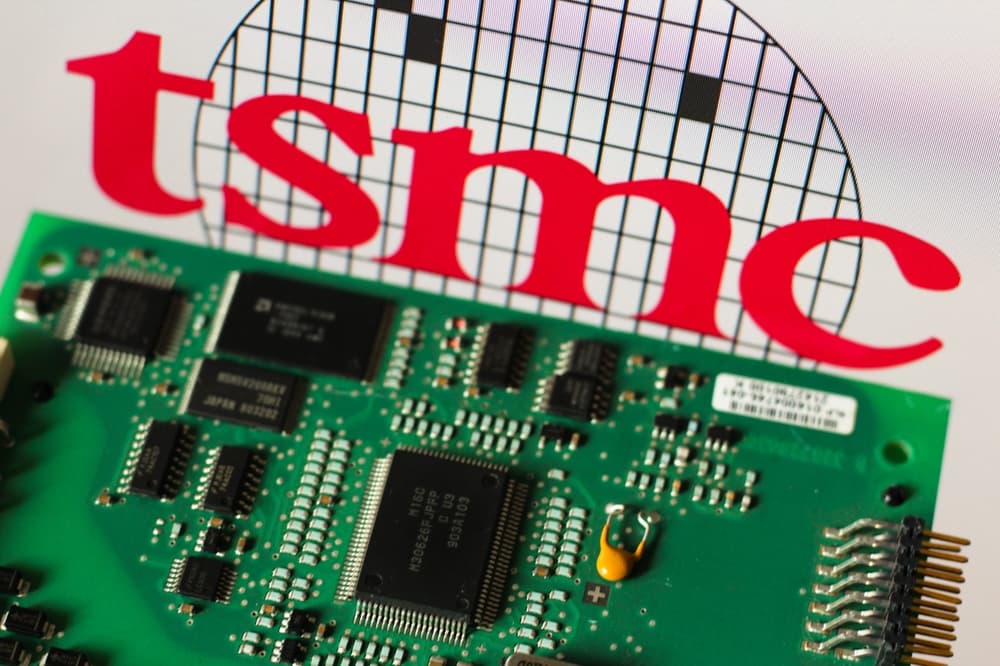

The agreement, the result of lengthy negotiations with the Trump administration, has been announced. Taiwan will receive the same treatment as Japan, South Korea and the European Union, but its companies are committed to building plants in the United States: TSMC is expected to open at least five factories. Beijing: ‘Taipei is like a turtle in a jar to us.’
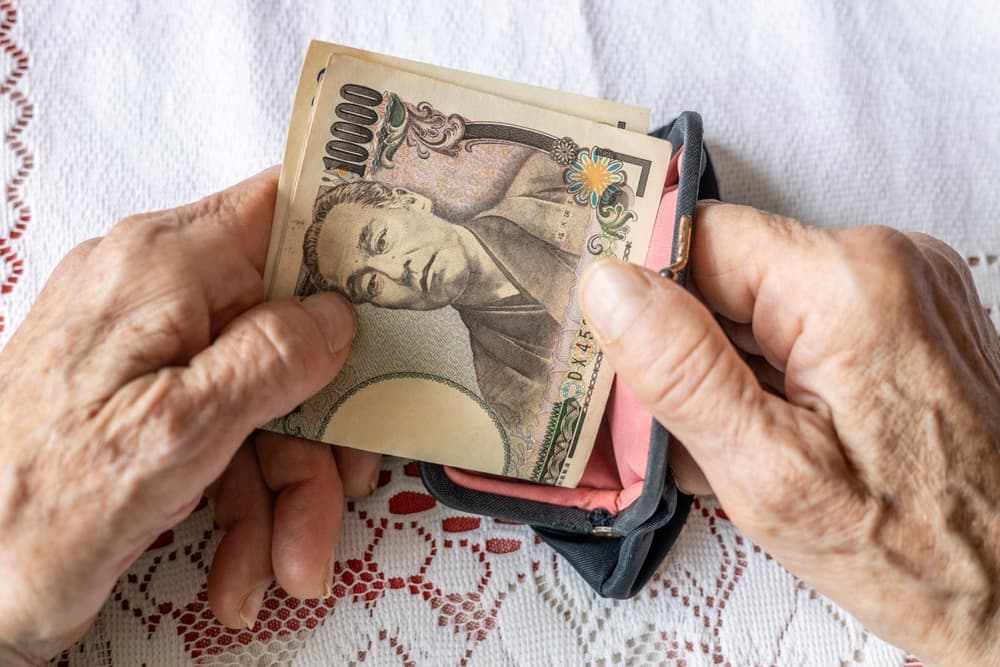
The main opposition party and Komeito, which left the governing coalition government, plan to create a new political entity to stand against the ruling LDP. Prime Minister Sanae Takaichi plans to call a snap election to capitalise on her current honeymoon with voters to get a strong majority. The vote, which could come as early as 8 February, risks complicating the short-term management of the country’s economic crisis.
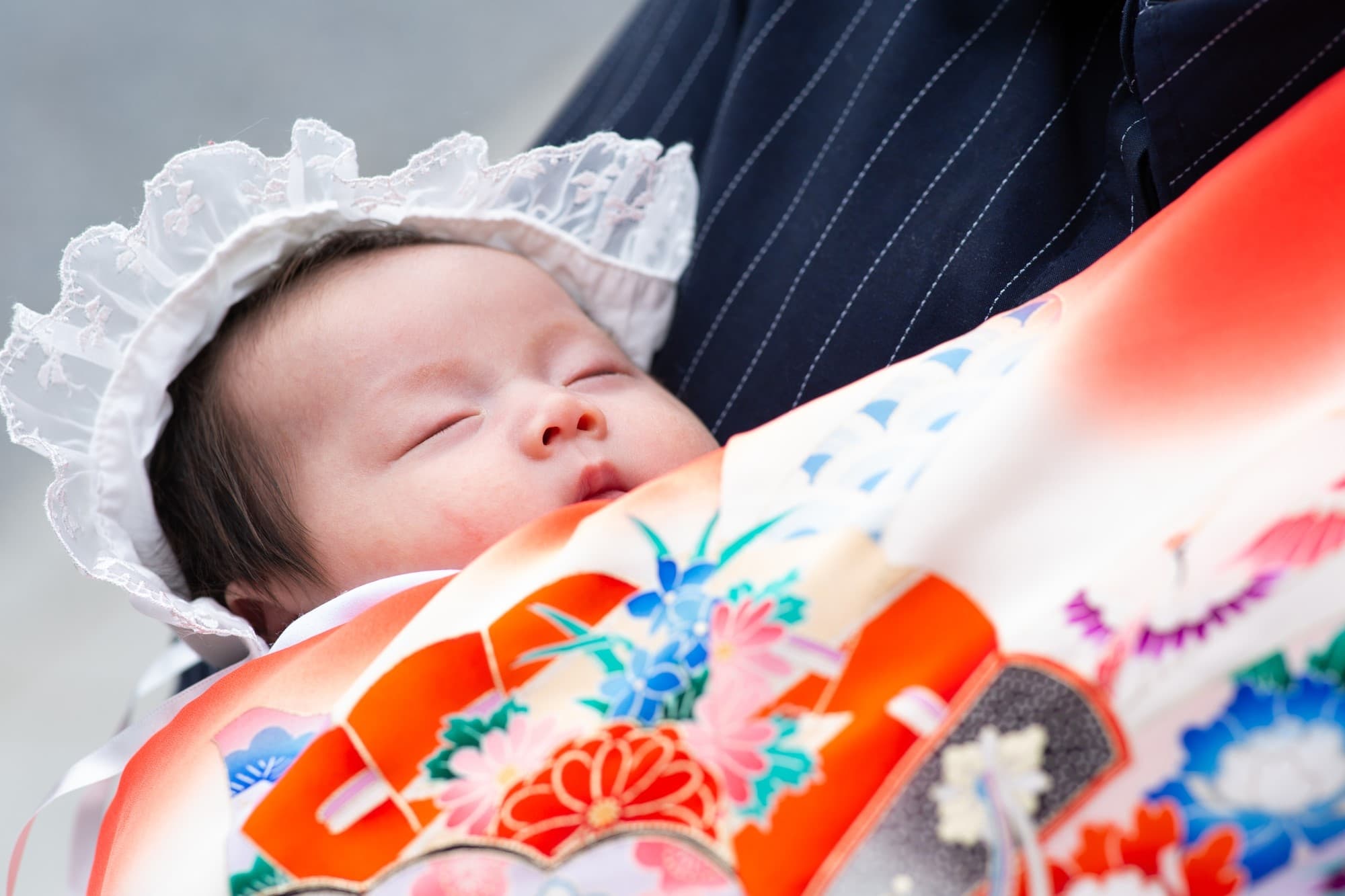
With 4.62 births per thousand people and a fertility rate set to fall below 0.8, Taiwan reported the worst demographic figures in the world in 2025. Births have dropped by half in 10 years, and today more than 20 per cent of the population is over 65. In response, the government has proposed reforms in healthcare, welfare, and social assistance.
Following the capture of the Venezuelan president, strategic tensions between the United States and China, which has invested heavily in Latin America and the Caribbean in recent years, have returned to the forefront. Competition between the two powers could now fall on the Panama Canal. In the recent past, the Central American country has sought to keep a balance among rival interests. Washington could target other Chinese infrastructure projects and investments in raw materials.
Japan is looking to the region with projects worth billion over five years. The Land of the Rising Sun's soft power policy in the area is strengthening. For Central Asians, the Japanese are ‘very reliable partners focused on practical results’. Key elements include human capital development, training and administrative programmes, technological standards and high-quality projects.
China has opened the 22-kilometre-long Tianshan Shengli Tunnel to traffic, completing a key piece of infrastructure on the motorway linking the city of Urumqi to Yuli. The project drastically reduces travel times between northern and southern Xinjiang and strengthens connections to Central Asia as part of the Belt and Road Initiative. The project is part of the development strategy for border regions, but it crosses a territory marked by strong political tensions over human rights violations against the Uyghurs.