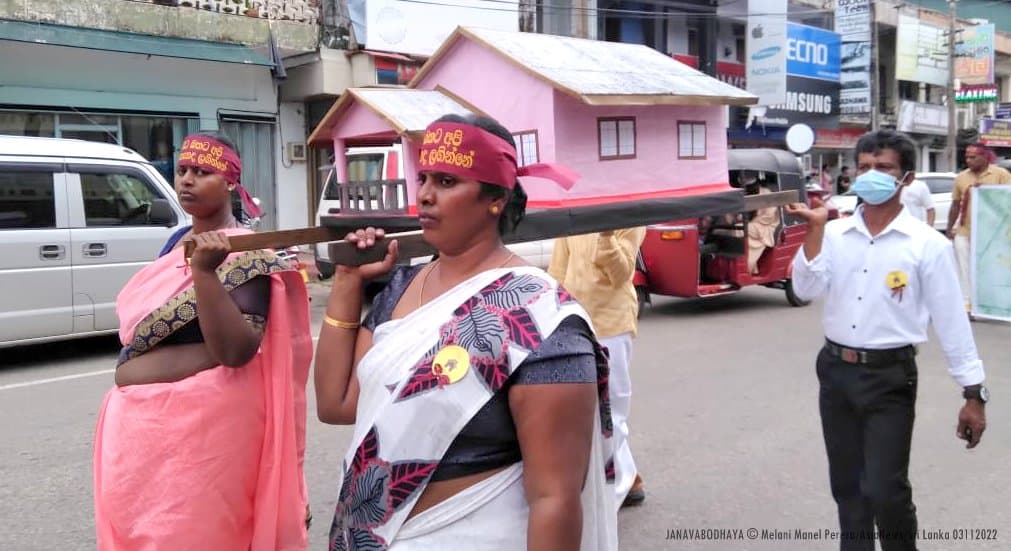
The Capital Development Authority (CDA) is pursuing demolitions in katchi abadis, informal settlements, where many Christians also live. Police agents and vehicles have been deployed in large numbers at the G-7 settlement (Allama Iqbal Colony). Residents are protesting, complaining of the lack of advance notice and alternative housing. NGOs are challenging the authorities, claiming they are hostile toward minorities and people living in poverty.
Activists call this a "long-awaited step" that ends a process that began three years ago. The goal was to ensure that non-Muslim children could also study their own religious tradition in school. However, issues related to the practical application of the policy remain. Teacher recruitment, training, and budget allocations are among the "significant challenges”.
Hundreds of men armed with sticks set fire to the victim’s darbar in the Kushtia district. A video of Pir Abdur Rahman, 65, allegedly insulting the Qur‘an from three years ago circulated on social media. Police failed to stop the violence. The authorities and NGOs slammed security failures, calling for investigations, but no arrests have yet been made.
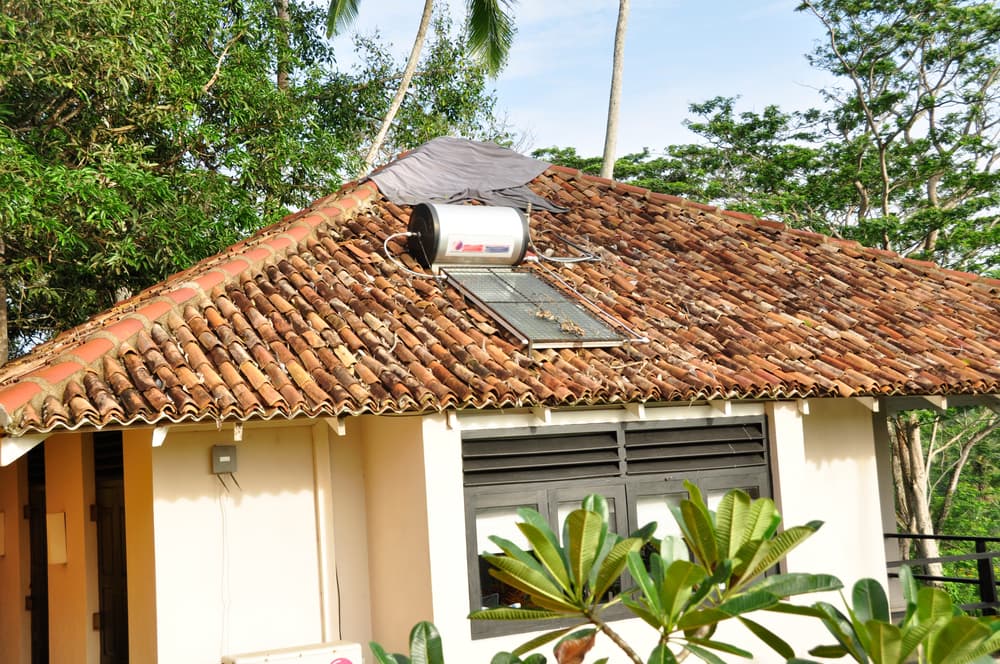
Studies by the University of Peradeniya show that atmospheric nitrogen can be fixed into the soil and rapidly improve it thanks to sunn hemp (Crotalaria juncea), reducing the need for chemical fertilisers, which are in short supply following the Strait of Hormuz blockade. Experts are urging the various stakeholders, including farmers, to leverage its potential to boost the country's food security.
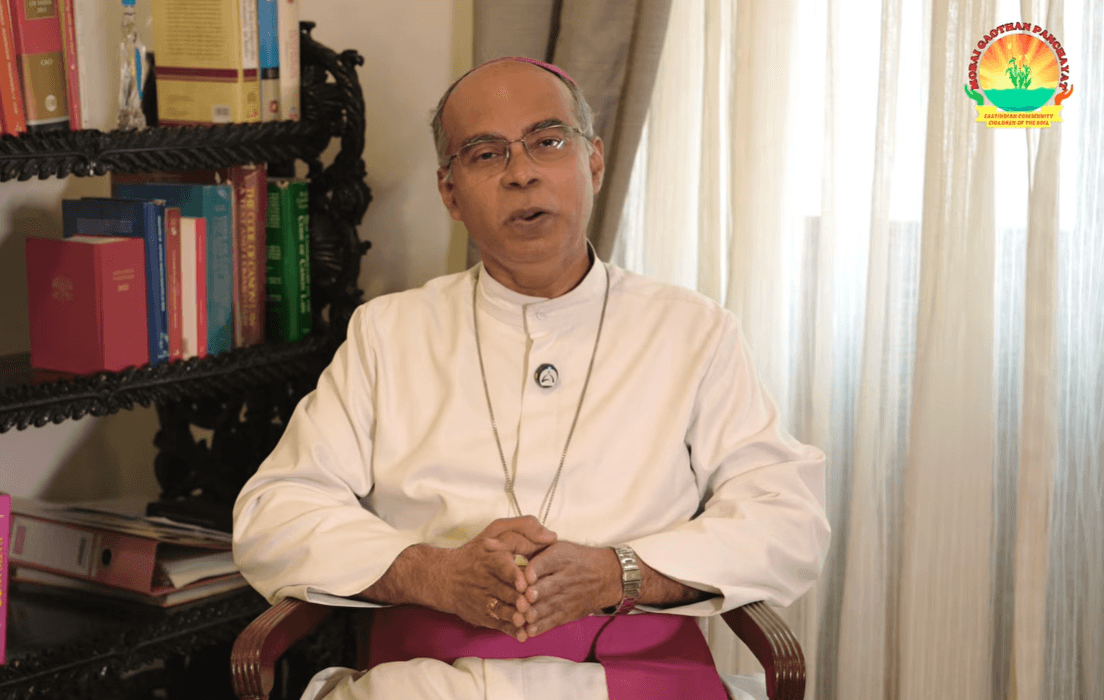
Talks between the United States and Iran to firm up a still shaky ceasefire began in the Pakistani capital today. However, the United Arab Emirates is withdrawing US$ 3.5 billion (over a fifth of Pakistan's reserves) to put political pressure on the South Asian country. For Archbishop Joseph Arshad of Islamabad-Rawalpindi, “war and conflict cause immense suffering” and this needs “solutions to problems through wisdom, tolerance and dialogue.”
A new paper by the World Inequality Lab shows that the richest 10 per cent of rural households own 44 per cent of India's total land. Furthermore, recent legislative changes in Gujarat have reignited the debate over ownership in areas considered sensitive to communal tensions, raising fears of further social exclusion.