








2019 Easter bombings: Travel ban imposed on Rajapaksa
The reopened investigations into the attacks on churches and hotels that killed over 270 people have now directly implicated the former president, who returned to power just a few months after the bombings. The former head of intelligence has been in prison for three months on charges of having ‘used’ Islamists to upset the country’s political balance.
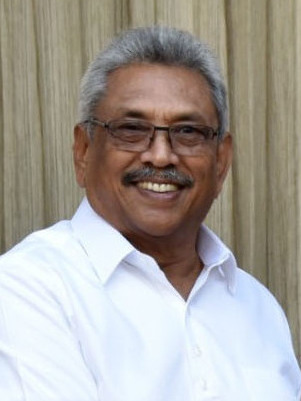
Colombo (AsiaNews) – In Sri Lanka, the investigation into the 2019 Easter massacres has, for the first time, directly implicated former President Gotabaya Rajapaksa, who was elected a few months later and then forced to resign following the popular uprising of July 2022. The Colombo Court has imposed a travel ban on Rajapaksa as part of the renewed investigation into the attacks that caused over 270 deaths and hundreds of injuries.
The order was issued by Magistrate Pasan Amarasekara following a request from the Criminal Investigation Department (CID), which is investigating the circumstances leading up to the terrorist attacks of 21 April 2019. On that occasion, a series of suicide bombers simultaneously struck several churches and luxury hotels, causing one of the worst massacres in the country’s history. For years, the Catholic Church in Sri Lanka, together with many voices from civil society, has been calling for clarity on the true instigators of the massacres carried out by Islamist groups.
In addition to Rajapaksa, the court has also imposed restrictions on travel abroad for two figures linked to the security apparatus: Army Colonel Mohamed Ansar and Premananda Udalagama, also known as Silva, a former intelligence officer.
These new measures follow on from the arrest three months ago of the former director of state intelligence, retired General Suresh Salley, on charges of conspiracy. The investigation was reopened after a documentary by the British broadcaster Channel 4 revealed a series of significant clues pointing to the existence of a wider plot aimed at triggering a national security crisis and influencing the country’s political balance. According to investigators, this new phase of the inquiry aims to definitively clarify all the circumstances leading up to the attacks and to identify any political, military or administrative responsibilities.
The court’s decision has, however, provoked strong reactions among the former president’s supporters. Some figures close to Rajapaksa have described the measure as a form of ‘political revenge’, arguing that the former head of state played a fundamental role in the country’s security, freedom and development.
Some Buddhist monks have also expressed their dissent regarding the judicial measure, publicly condemning the travel ban and deeming it inappropriate for a former president.

.png)
07/02/2019 17:28










