








8 March in Islamabad: Women's March blocked
A group of well-known Pakistani women's rights activists were stopped by police, who did not exempt the march from the ban on gatherings imposed because of the war. Meanwhile, the NGO Minority Concern recalls the tragedy of double discrimination against girls from minority groups, who are victims of forced conversions, abductions and lack of access to education and work.
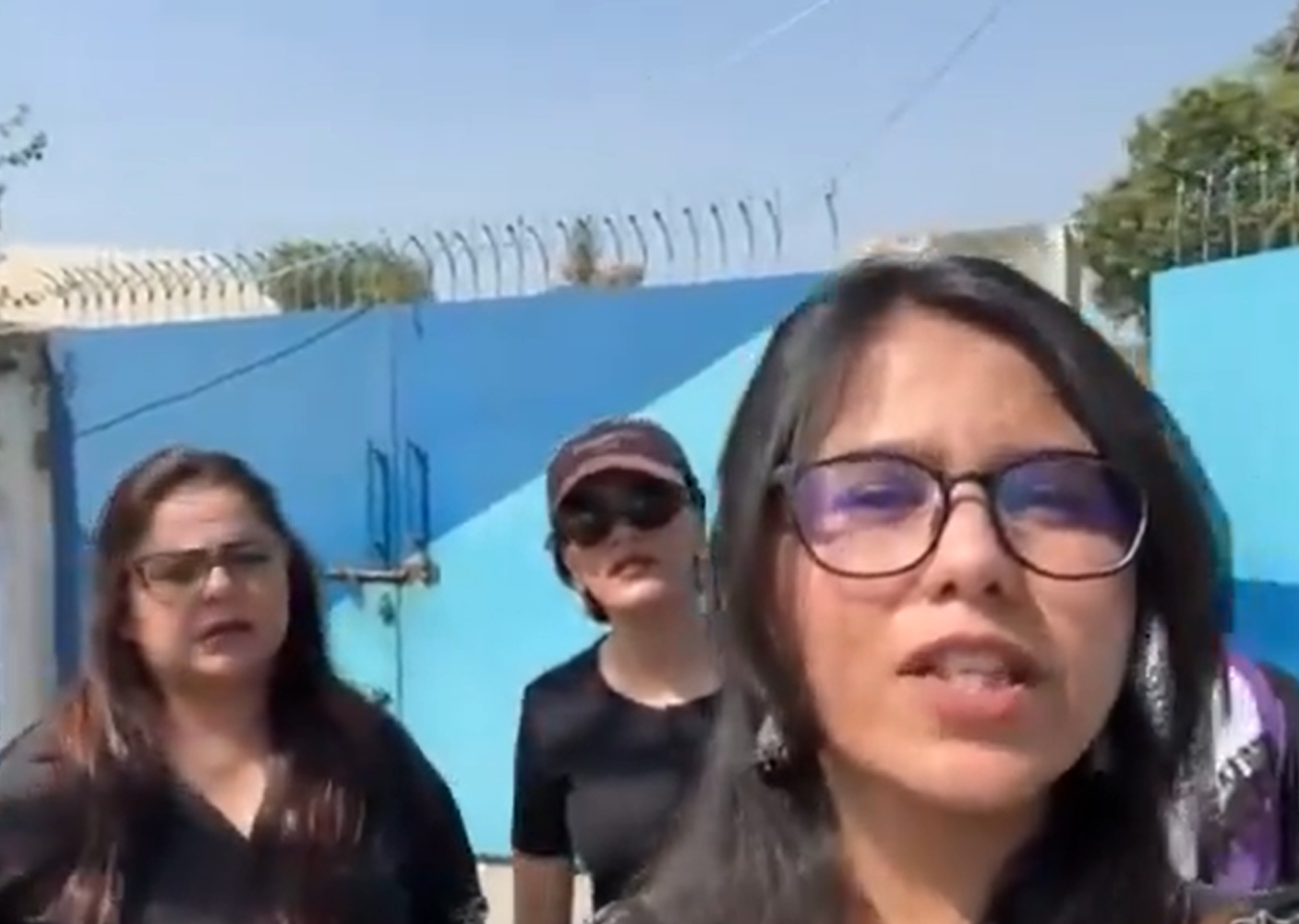
Islamabad (AsiaNews) - Dozens of women's rights activists and participants in the Aurat March (the ‘women's march’) were arrested by police in Islamabad on 8 March, ahead of a demonstration planned to celebrate International Women's Day. According to Pakistani police sources, the activists had gathered near the Super Market area in sector F-6 and intended to march to the National Press Club. However, a strong police presence blocked the gathering and several participants were taken into custody and transferred to the women's police station.
Among those detained were prominent activist Farzana Bari, two of her daughters and human rights advocate Tahira Abdullah, along with other organisers and supporters of the Aurat March. Police officials said a total of 44 people were detained, including 19 women and 25 men.
The authorities said the action was taken because, following Shiite protests against the war in Iran, Section 144 of the Penal Code, which restricts public gatherings of four or more people, is currently in force in the federal capital. Officials also said that the district administration had denied permission for the march due to concerns about possible public order issues.
Participants and members of civil society condemned the arrests, calling them an attempt to restrict the constitutional right to peaceful assembly. The organisers of the Aurat March called for the immediate release of those detained and criticised the police action against activists celebrating International Women's Day.
Meanwhile, on 8 March, the UK-based NGO Minority Concern expressed deep concern about the continued vulnerability in the country of women belonging to religious minority communities, including Christians and Hindus. While the world celebrates women's achievements and resilience, thousands of women and girls from these communities in Pakistan continue to face systemic discrimination, forced conversions, abductions and the denial of fundamental human rights.
‘International Women's Day should be a time for reflection and action,’ said Aftab Alexander Mughal, director of Minority Concern. For minority women in Pakistan, however, it is often a reminder that their voices remain unheard and their safety uncertain. Local civil society and the international community must recognise the link between gender and religious discrimination that these women face every day. Their dignity, safety and equality must be protected."
In addition to forced conversions, minority women often face barriers to education, employment and political representation. Social discrimination and economic vulnerability further expose them to exploitation and abuse. Domestic workers from minority backgrounds are particularly at risk, often with limited legal recourse.
Minority Concern calls on the Government of Pakistan to immediately adopt concrete safeguards such as the adoption and enforcement of effective legislation against forced conversions, ensuring impartial investigations and judicial proceedings in cases of abduction, coercion and violence against minority women, strengthening police protection, and promoting equal opportunities in access to education, employment and social services for women of all religions.

.png)
27/09/2017 10:13










