








Andhra Pradesh: new family policies to cope with low fertility
With a fertility rate of 1.5 children per woman, the southern state has introduced new incentives for a third and fourth child. Experts warn that childcare and women's employment need improvement. Although a declining birthrate affects all of India, the southern states fear losing political influence as well.
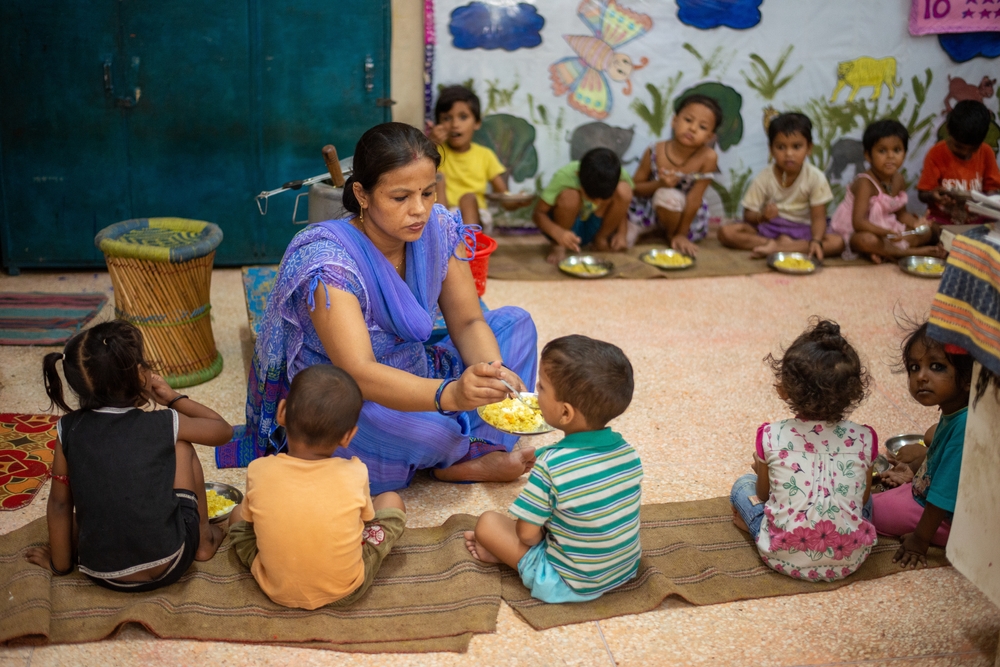
Amaravati (AsiaNews) – The Andhra Pradesh government has proposed a series of new incentives to encourage families to have more than three children to counteract the decline in the birthrate, which has dropped from around three children per woman in the 1990s to the current average of 1.5, below the replacement threshold of 2.1 children per woman as well as the national average of 1.9-2 children per family.
This is a major issue since a larger portion of the population reaching old age is expected to put greater pressure on the working-age labour force. This trend is fuelled by rising housing and private education costs, and access to employment later in life.
To address this, Andhra Pradesh is proposing a series of practical incentives to support families and boost the birthrate, including a subsidy of 30,000 rupees (about US$ 315) for a third child and 40,000 rupees (US$ 420) for a fourth, plus a monthly subsidy of 1,000 rupees (US$ 10.45) over five years, along with free education until the age of 18.
The state government is also proposing to let mothers work from home, through the Thalliki Vandanam programme, which currently provides 15,000 rupees per child (US$ 160) to encourage school attendance, longer maternity leave, and additional childcare services.
Along with the new measures, the state also said that it wants to double female participation in the labour force, which, however, goes against policies designed to boost the birthrate.
While countries in western (like France) and northern Europe have managed to reconcile these two objectives through investments in universal childcare, flexible working arrangements, paid parental leave, quality public education, and legal protections against the professional disadvantages to which mothers are exposed, in India, mothers, who already face difficulties accessing the labour market, in most cases end up stuck with a greater share of unpaid care work.
The measures proposed by the Andhra Pradesh government could especially impact the poorest families, attracted by immediate financial support. Some experts warn in fact that this could lead to a major problem, increasing the number of economically vulnerable families without the guarantee of adequate long-term support for the growth and education of their children.
Some studies have found that a low birthrate poses a greater challenge in the states of southern India, where family policies are already under review. What is more, these states are also concerned about a possible redistribution of parliamentary seats, which could reduce their political clout at the union level.
However, an aging population affects India as a whole. Demographic surveys conducted between 2019 and 2021 already indicated a countrywide decline in the fertility rate, especially in urban areas, marking the end of the population boom.
India, now the world's most populous country after overtaking China in 2023, is entering the third phase of the demographic transition typical of developing countries, with a declining birthrate and an increasingly aging population.

.png)
03/12/2021 12:33
12/02/2016 15:14
29/03/2018 13:00










