








Archaeological Authority: ‘No documents on temple pre-existing the Sambhal mosque’
Built around 1526, the protected structure is at the center of a legal dispute that has caused violence: Hindu petitioners claim it was built on top of a Shiva temple. The Archaeological Survey of India states that it has no documents on the state of the site prior to construction. The Central Information Commission has rejected the appeal.
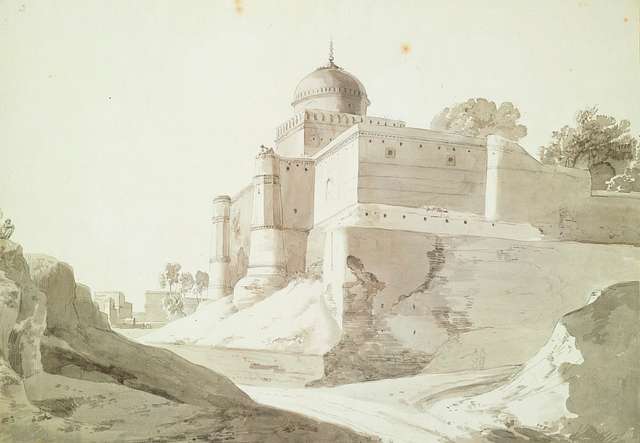
Sambhal (AsiaNews) - The Shahi Jama Masjid mosque in Sambhal - built around 1526, the oldest of the Mughal era in South Asia - is at the center of a legal dispute following claims by some Hindu petitioners that it was built on top of a Shiva temple. However, the Archaeological Survey of India (ASI) - the government agency that protects the site - has stated that it has no documentation indicating that the mosque was built after the demolition of a previous structure, nor any documents identifying the owner of the land during its construction.
An ASI investigation in November 2024 ordered by the court sparked violent clashes between local residents and police, in which four people died from gunshot wounds, while several others remain in prison in connection with the violence. The court had examined a claim by Hindus who argued that the mosque had been built by demolishing a Shiva temple during the reign of Emperor Aurangzeb. There had been friction, with some members of the investigation team irritating the area's Muslim minority population with chants.
A commission appointed by the Sambhal District Court reportedly stated in a 2024 report that symbols associated with Hinduism had been found in the Shahi Jama Masjid mosque, which has been protected by the ASI since 1920. In addition, Satya Prakash Yadav, a resident of Sambhal, had filed a request under the Right to Information Act of 2005 to find out whether the Mughal-era mosque had been built by demolishing ruins or on vacant land, along with the name of the landowner at the time and documents certifying his property rights.
In its response, the ASI stated that “no such information is available in this office.” Regarding questions about the buildings on the site at the time the mosque was placed under ASI protection, any subsequent construction, and past disputes associated with the site, the ASI explicitly stated to the Central Information Commission (CIC) that its archives contain “no such information” regarding the facts.
However, during the first appeal proceedings before the Central Information Commission, the ASI had stated that although no new construction is permitted within a protected monument, an “illegal” steel railing had been erected at the Shahi Jama Masjid mosque site in 2018, and that the department had issued an order to stop the work.
The petitioner had also requested information about the period of construction of the mosque. The ASI replied that, according to its records, “the Jama Masjid Sambhal was built in the year 1526.” When asked whether the structure was previously known by another name, the department replied that the mosque was protected by the ASI without changing the previous name of the site.
During the hearing before the Central Information Commission, the petitioner argued that some key information had been wrongfully denied on the grounds of unavailability. The ASI argued that it had provided all the information available in its archives and was not obliged to create or collect information not in its possession.
Confirming ASI's position, the Commission noted that the RTI Act requires public authorities to disclose only existing documents and does not require them to generate new information. Finding no grounds for further action, the Commission therefore dismissed the appeal, considering that ASI's responses—including its statement that it had no documents indicating whether the mosque had been built on ruins or on vacant land—were in accordance with the law.

.png)
07/02/2019 17:28










