








Balendra Shah wins in a landslide, while vote for Nepal’s traditional parties collapses
Partial results in Nepal’s election to the House of Representatives clearly show the victory of the party led by a 35-year-old rapper, a former mayor of the capital. Voter turnout was low. Both the Communist Party and the Congress Party suffered a heavy defeat. After the Generation Z revolution, the vote suggests a compromise between stability and change.
Milan (AsiaNews) – In the aftermath of the vote to elect the new House of Representatives in the Nepali Parliament, three key results are emerging while the ballot count is still underway at some polling stations out of the nearly 11,000 located in mountainous or forested areas that are not easily accessible.
The first is the substantial fairness and peacefulness of the election, with little tension or concern about possible irregularities.
The second is the turnout, the lowest since the 2008 elections, with 58.07 per cent of the nearly 19 million eligible voters out of a population of 30 million.
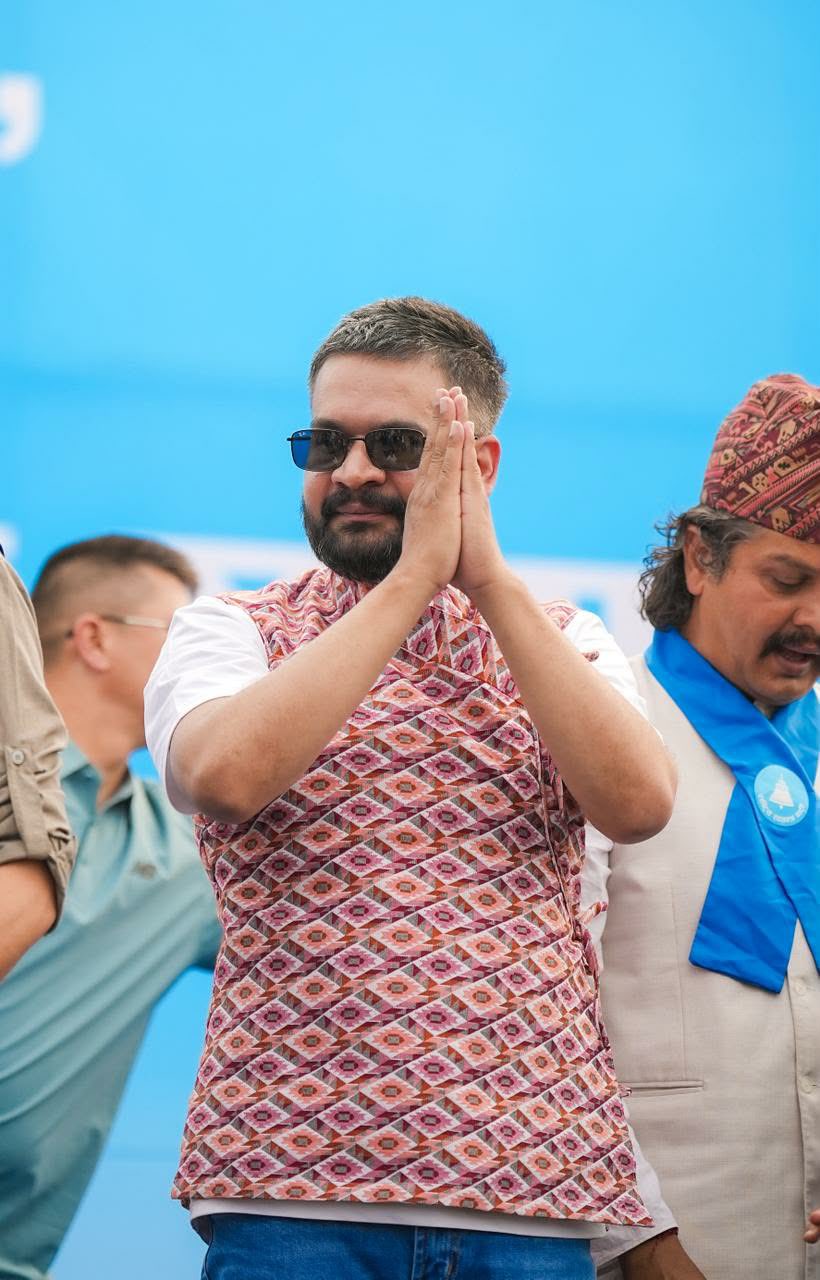
The third is the overwhelming victory of the centrist Rastriya Swatantra Party (RSP, National Independence Party), and its leader, 35-year-old Balendra Shah, a former mayor of the capital and a rapper popular among young people.
The RSP had previously been in coalition with the parties that voters have soundly rejected, choosing instead its promise of stability. This apparently runs against the expectations of Generation Z Nepalis, 800,000 of whom voted for the first time after playing a leading role in last September’s revolution.
Their protests, after days of confrontation and violence that left 77 people dead and hundreds wounded, forced the incumbent government to resign, opening the doors to a caretaker government under a former Chief Justice, Sushila Karki, and fresh elections to start a process of renewal and progress.
Vote counting so far indicates a clear lead for the RSP in 105 of the country’s 165 constituencies. Its closest rivals, the Communist Party of Nepal-Unified Marxist-Leninist (CPN-UML) and the Nepali Congress Party, who have dominated the country’s politics since the fall of the monarchy in 2008, are credited with only 11 seats each.
This confirms the debacle of the two once-dominant parties. Ideologically opposite, alternating in power, or sometimes as in the last parliament, governing together, they are far too self-referential, and have lost the trust of most Nepalis who, until the revolution, had no alternative.
Most observers expected the CPN-UML to lose badly under its current leader, K P Sharma Oli, who had headed the rebellion that tore Nepal apart for a decade until 2006. The same cannot be said about the Nepali Congress Party whose loss was greater than some predicted. Last fall, it picked a new, younger leader, Gagan Thapa, 49, in the difficult attempt to revive its fortunes.
Still, “Holding the elections on the scheduled date under exceptional circumstances and ensuring their enthusiastic completion was itself a challenge,” said Ram Prasad Bhandari, acting chief election commissioner. “We successfully completed the job.”
A report by the National Human Rights Commission (NCHR) confirms that the exercise was conducted correctly with no major tensions on election day, noting that the poll was “conducted in a free and peaceful manner due to heightened security vigilance and effective management of polling stations,” and that the voting process was "satisfactory" from a human rights perspective.

.png)










