








Benefits for tribal communities: Hindu nationalists demonstrate at the Red Fort against Christians and Muslims
On 24 May, movements affiliated with the RSS organised a demonstration in New Delhi to call for the ‘delisting’ of Article 342 of the Constitution. The aim is to pass a law that would exempt those who have converted to Hinduism. The protest by Christians and pro-rights groups.
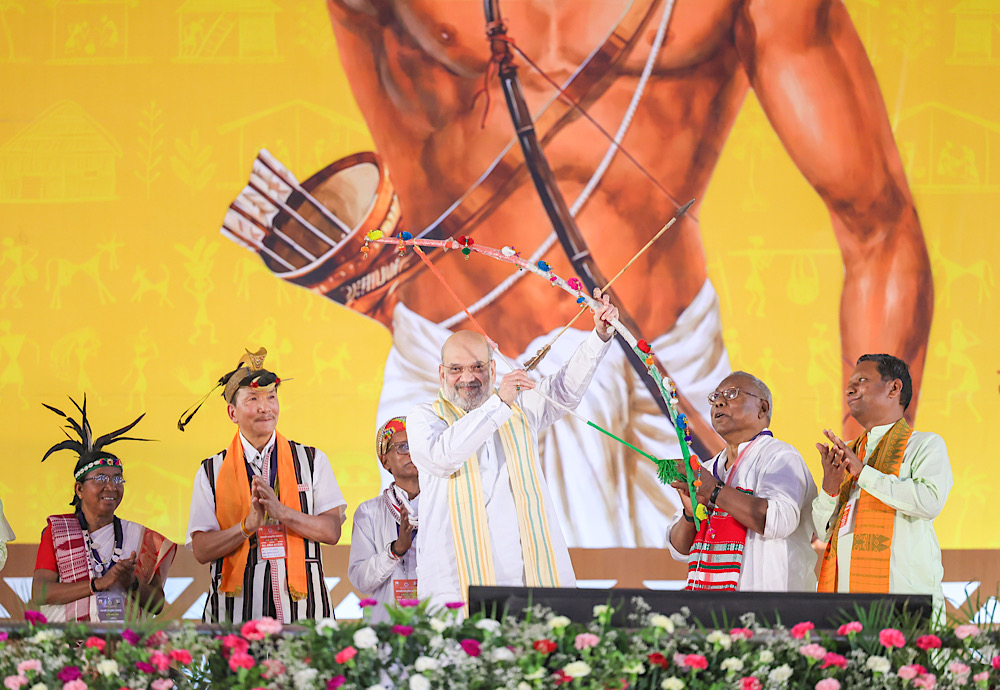
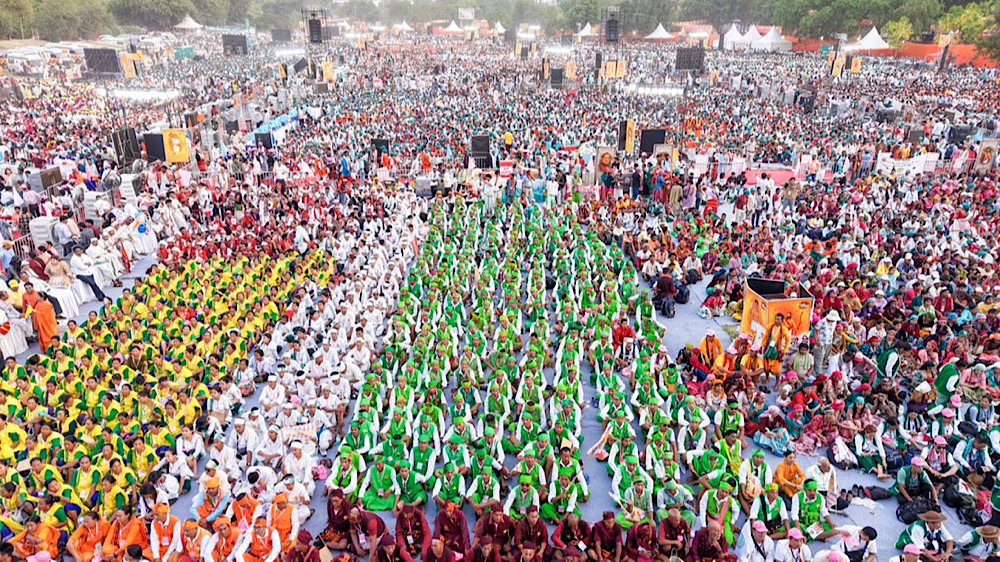
Delhi (AsiaNews) - A controversial rally held in recent days has reignited the debate over tribal people who convert to Christianity or Islam, with a section of the country seeking to exclude them from the benefits reserved for Scheduled Tribes (STs, the recognised tribes).
This refers to the meeting entitled “Janjati Sanskritik Samagam” held on 24 May at the Red Fort in New Delhi, attended by numerous representatives of the tribal community, who effectively called for the withdrawal of funds for those who embrace another religion.
In reality, as representatives of the Catholic community point out, the request for removal from the lists would not apply to those who practise Hinduism, fuelling suspicions that the measure is a pretext to target those who choose to follow Jesus or Muhammad.
At the heart of the recent protests lies the ‘delisting’ initiative, a protest movement calling for a formal amendment to Article 342 of the Indian Constitution. The aim is to pass a law that would automatically revoke ST status for those who convert to Islam or Christianity.
According to the proponents, such individuals would end up unfairly benefiting from ‘double subsidies’, capitalising on the Scheduled Tribes’ reserves for employment, education and welfare, whilst simultaneously pocketing the benefits reserved for minorities.
Furthermore, supporters of the reform argue that quotas for indigenous peoples are intended to safeguard native heritage and should not be granted to those who abandon traditional tribal faiths, languages and rituals.
This position has been rejected by Christian leaders, heads of churches and Christian tribal associations, who brand the “delisting” movement and the rally held at the Red Fort as “unconstitutional, divisive and a threat” to freedom of worship.
The United Christian Forum (UCF), regional church federations and tribal councils from the North-East have joined forces to reject the demands of the Janjati Suraksha Manch (JSM), which organised the event on 24 May together with the Vanvasi Kalyan Ashram (affiliated with the RSS, Rashtriya Swayamsevak Sangh).
The rally was attended by thousands of people from over 500 tribal communities across India, calling for a constitutional amendment. Home Minister Amit Shah attended as the chief guest, taking the floor to announce the intention to reform the Civil Code to exclude converted tribal people.
The rally was held to coincide with nationwide commemorations of the 150th anniversary of the birth of the tribal freedom icon Birsa Munda. The organisers also emphasised that this demand is not new, but dates back to the late 1960s, when tribal leader Kartik Oraon was fighting for the same exclusion under Indira Gandhi’s government.
Christian leaders in Jharkhand and Chhattisgarh counter by pointing out that depriving a tribal person of their birthright on the basis of their faith is a direct violation of secularism and the fundamental right to freedom of conscience guaranteed by the Constitution.
Christian NGOs argue that changing one’s personal faith does not automatically nullify an individual’s native ethnicity or Scheduled Tribes status. The leaders emphasise that the Indian Constitution treats Scheduled Tribes (STs) differently from Scheduled Castes (SCs), because the former status is granted on the basis of geographical isolation of the area of origin, distinctive culture and backwardness, not according to religious affiliation. Congress leaders have labelled the campaign a “political stunt” aimed at undermining tribal unity.
Fr Nicholas Barla, secretary of the Office for Tribal Affairs of the Catholic Bishops’ Conference of India (CBCI), has weighed in on the controversy, mentioning the history of the Munda tribe in Jharkhand, which some historians say dates back nearly 10,000 years.
“These Munda tribes,” he explains to AsiaNews, “have a truly unique faith, a unique form of worship, and a unique language, which has been preserved to this day. They had faith in nature, worshipping it. At this demonstration, they claim that those who have embraced other religions, such as Christianity, Islam or other faiths, will be removed from the list. Why do they not include Hinduism?” which, for the demonstrators, would not automatically entail the loss of benefits. For the priest, the loss of benefits, in the event of a reform of the law, should also apply to “those among the tribal people who convert to Hinduism”.
Finally, he hopes that the government will set up a working group comprising “tribal experts, historians and anthropologists” to study the issue in depth, setting aside “sectarian logic that follows political lines”.

.png)










