








Bhatti's vision of an inclusive Pakistan is unfinished 15 years after his assassination
On 2 March 2011, the then Minister for Minority Affairs, a Christian, was killed in Islamabad. His life was shattered for his stance on the rights of marginalised groups and his opposition to the blasphemy laws. Despite death threats, he refused to leave the country; his legacy lives on in those who still fight against persistent discrimination.
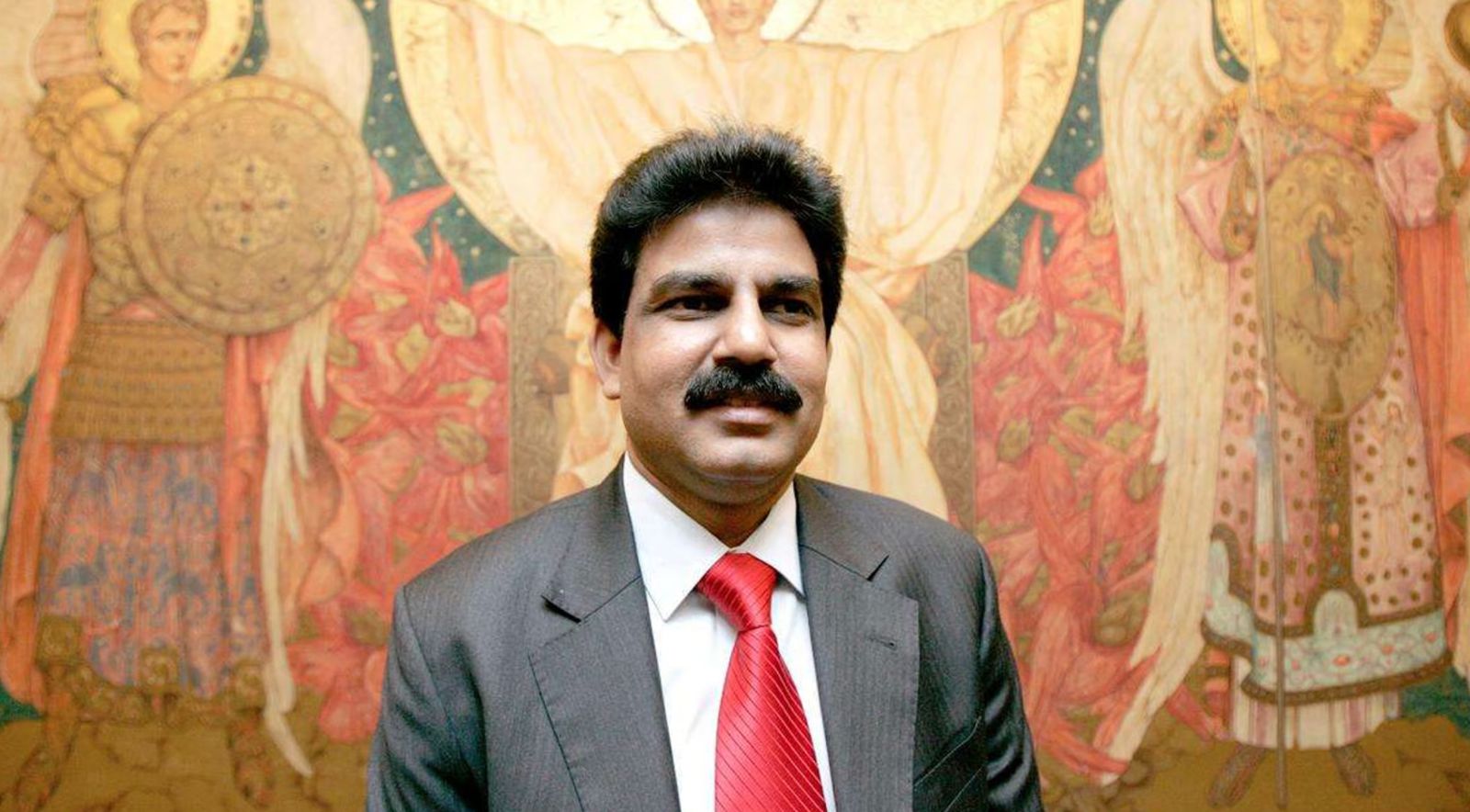
Lahore (AsiaNews) – Today 2 March, memories of Shahbaz Clement Bhatti – Pakistan’s only Christian federal minister at the time, who was assassinated in 2011 for his stance on minority rights – resurfaced with renewed urgency.
Exactly 15 years ago, after growing death threats, he was killed in Islamabad. Today, activists, political leaders, and members of religious minorities say his vision of an inclusive Pakistan remains tragically unfinished.
Shahbaz Bhatti, then Federal Minister for Minorities Affairs, was gunned down on 2 March 2011, in a brazen daylight attack in the capital. Armed men ambushed his vehicle as he left his mother’s residence, leaving behind pamphlets that accused him of opposing the country’s controversial blasphemy laws. He was 42.
Born in Lahore into a devout Christian family, Bhatti rose from grassroots activism to national leadership. He founded the All-Pakistan Minorities Alliance (APMA) and spent decades campaigning for equal citizenship, interfaith harmony, and legal protection for vulnerable communities. In 2008, he became the first Christian to hold a federal cabinet position in Pakistan.
During his tenure, Bhatti advocated strongly for reform of laws he believed were misused to target religious minorities. He also pushed for reserved job quotas, minority development funds, and the establishment of a National Commission for Minorities.
His colleagues recall that he refused to leave the country despite repeated death threats, insisting that his duty was to stand with the oppressed. “He knew the risks but chose courage over safety,” said Kashif Aslam, a minority rights activist, recalling Bhatti’s often-quoted principles.
A video message recorded shortly before his death, released posthumously, showed him calmly stating that his struggle was for justice, equality, and freedom of belief.
Bhatti’s assassination sent shockwaves across the country and drew international condemnation. Churches across Pakistan held memorial services, while world leaders hailed him as a martyr for human rights.
Yet many minority advocates argue that the conditions he fought against persist, including discrimination, forced conversions, mob violence, and underrepresentation in public institutions.
In recent years, civil society groups have marked his death anniversary with seminars, peace walks, and interfaith prayers. This year, similar commemorations are planned in several cities, with speakers expected to call for renewed commitment to constitutional protections for minorities.
Father Khalid Rashid Asi, diocesan director at Catholic Commission for Justice and Peace noted that Bhatti represented a rare bridge between state power and marginalised communities. Unlike many activists operating outside government, he attempted reform from within a path that ultimately cost him his life.
For many Pakistani Christians and other minority groups, Bhatti’s legacy is deeply personal. His mother, who survived him for several years after the tragedy, often described him not as a politician but as a son who could not ignore suffering.
In neighbourhoods where he once organised community meetings, older residents still recall his unannounced visits and willingness to listen.
As Pakistan marks another anniversary of his assassination, the question many ask is whether the country has moved closer to the tolerant society he envisioned.
For his supporters, remembering Shahbaz Bhatti is not merely an act of mourning but a call to action, a reminder that the struggle for equal rights, dignity, and religious freedom continues. His life, they say, remains a testament to the power of conviction in the face of fear and to the price sometimes paid for speaking on behalf of the voiceless.
Talking to AsiaNews, Michelle Chaudhary, director at Cecil and Iris Foundation said, “We give the red of our blood to protect the white in the flag”. Like Shahbaz Bhatti; white represents the principles of tolerance and pluralism.
The “2nd of March 2011, a day etched deep in our hearts; a day when one of the strongest voices against religious extremism was ruthlessly silenced; Non-Muslims in Pakistan lost their ‘Martin Luther King’,” Chaudhary said.
“Shahbaz Bhatti,” she added, “Pakistan's Federal Minister for Minorities was brutally shot dead in broad daylight outside his mother’s home in Islamabad, as he dared to speak up against religious persecution in Pakistan. But 27 bullets could not silence him. Gone but certainly not forgotten; his vision, his ideology, his legacy live on in our efforts to keep alive what he died for. May you rest in eternal peace Shahbaz.”

.png)










