








Coal scandal badly impacts Sri Lanka's energy output
Imports from South Africa are under scrutiny because of poor quality coal, resulting in substandard performance by the Lak Vijaya Power (LVP) plant. Experts say the role of an accredited independent laboratory is crucial. For the opposition, the “entire coal procurement process was rigged.”
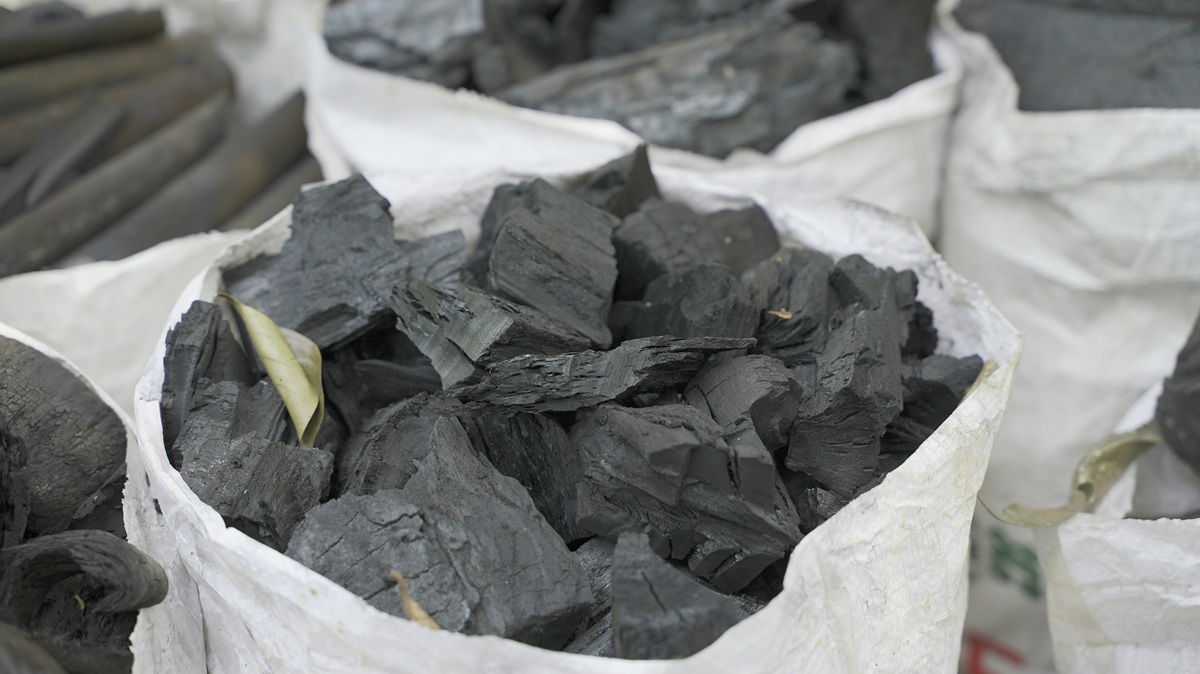
Colombo (AsiaNews) – Substandard coal imports from South Africa are at the centre of a major controversy in Sri Lanka’s parliament and media.
According to the Lak Vijaya Power (LVP) plant performance report, most shipments from the African country do not meet its minimum criteria.
Recently released data contradict reports from Cotecna, an independent laboratory that collects samples at the Norochcholai unloading port.
Last week, opposition leader Sajith Premadasa denounced highly questionable coal imports shipped to the country in 25 ships, calling for an independent probe.
According to the lawmaker, at least eight shipments that recently arrived on the island, as part of a new tender, were of substandard quality, which was so low (as evinced by the LVP combustion reports) that they failed to generate the expected 300 megawatts per unit.
Experts believe that without verification by an accredited independent laboratory of the coal's quality, which is often substandard, the Lanka Coal Company (Pvt) Ltd (LCC) cannot impose penalties on the seller.
Although there is the possibility of appointing a “third umpire”, neither the LCC nor the Energy Ministry have done so, so far.
According to LVP and Cotecna, the losses from the first non-compliant shipment is 595 million rupees (almost US$ 2 million), while the others are even higher, from 865 million rupees to over one billion rupees.
Analysing the data, opposition MP S. M. Marikkar said that the entire "coal procurement process" was rigged, blaming Energy Minister Kumara Jayakody for "misleading" the cabinet and the National Procurement Committee.
This was done, in his view, “to favour a supplier of substandard coal and the losses incurred must be fully recovered from those responsible, including damage caused to machinery, additional power generation costs and environmental harm.”
He believes that, “The government was attempting to cover up large-scale irregularities in the 2026 coal procurement process” cutting the procurement period from 42 to 21 days, de facto limiting competition.
“Key eligibility criteria had been diluted,” he lamented, “ including the requirement that a supplier must have imported 500,000 metric tonnes of coal over the past three years, instead reduced to 100,000 metric tonnes to enable smaller firms to qualify.”
Subject to accreditation verification by the Sri Lankan mission in the foreign country, “The seller is allowed to appoint an independent, accredited and internationally recognised expert for sample testing at the loading port," said electrical engineers Akila Hewawasam and Pradeep Amarasinghe speaking to AsiaNews.
In this case, “the seller is Trident Chemphar, and the loading port is the Richards Bay Coal Terminal (RBCT), in South Africa.” After “the Sri Lankan mission rejected two of the three laboratories appointed by Trident, this left Mitra SK South Africa (Pty) Ltd. Although Johannesburg-based, the loading port samples of each shipment were sent to their lab in Indonesia for testing."
According to engineer lecturers Radika Kulatunga and Aadir Munasinghe, "the buyer, LCC, picked the laboratory at the unloading port, the Norochcholai jetty. This company is Cotecna. However, no provision is made for an independent entity, external to Cotecna, to test the samples from the unloading port.”
In their view, “There is no evidence that the LCC or the Energy Ministry implemented this procedure.”
A report by the Ceylon Electricity Board (CEB) to parliament’s Sectoral Oversight Committee (SOC) showed that the Gross Calorific Values (GCV), which represent the heat released upon combustion of coal, were below the minimum levels required.
This makes it impossible to generate optimal electricity during combustion. What is more, the ash content exceeds acceptable levels. The CEB used this real-time data to “reverse calculate" the GCV.

.png)
12/02/2016 15:14
13/04/2007
25/07/2018 15:11










