New York (AsiaNews) – On World Day to Combat Desertification and Drought, which is celebrated today, 17 June, the United Nations has chosen to draw attention to the degradation of rangelands and drylands, a trend that affects more than 1.7 billion hectares of land in Asia, nearly 40 per cent of the continent.
The theme chosen for 2026 by the United Nations Convention to Combat Desertification (UNCCD) is Rangelands: Recognize. Respect. Restore, which aims to highlight the importance of lands used by pastoral and farming communities.
This issue is particularly relevant in Central Asia, where rural economies continue to depend on livestock farming and the sustainable use of grazing lands. It is no coincidence that the UNCCD Conference of the Parties (COP17) will be held in Mongolia in August.
In Central Asia, land degradation is due to rising temperatures and decreasing rainfall, compounded by decades of inefficient irrigation and overexploitation.
A study by the UN’s Economic and Social Commission for Asia and the Pacific (ESCAP) found that since 2019, Central Asia has been experiencing the most severe drought in 45 years in terms of duration and geographical extent, affecting 75 per cent of the territory.
At the same time, average temperatures have increased by about 0.4°C every 10 years, accelerating soil moisture loss.
In Kazakhstan alone, more than three quarters of the territory is considered highly vulnerable to desertification. In Mongolia, the annual cost of land degradation caused by overgrazing is US$ 2.1 billion, more than 43 per cent of the national GDP.
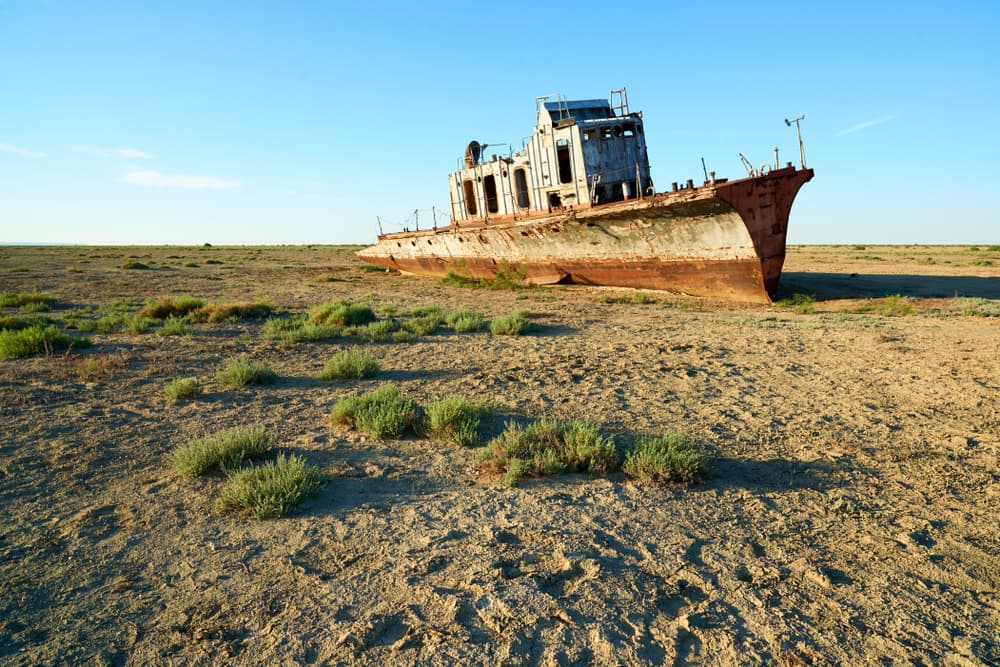
One of the best-known symbols of environmental degradation in Central Asia remains the Aral Sea disaster.
Considered the world's fourth-largest inland body of water until the mid-20th century, the lake gradually dried up due to river diversion for intensive irrigation during the Soviet era.
Today, millions of hectares of lake bed produce sand and salt storms that extend well beyond the borders of Uzbekistan and Kazakhstan, impacting the health of local people and agriculture.
This also affects China. According to studies by the UNCCD, intensive land use is the culprit with 25 per cent of the sources of sand and dust storms in the region directly attributable to poor human land management.
Overall, 40 per cent of China's land is degraded, despite recent progress.
Land degradation contributes to the decline in agricultural productivity, increasing the risk of food insecurity for the population and leading to loss of income in rural areas. This generates migratory movements towards cities or abroad, opening up new migration routes and accentuating social inequalities.
In Central Asia, over 70 per cent of precipitation falls between November and April. This means that any weather anomalies during these months could jeopardise the entire agricultural cycle for the following year.
What is more, desertification does not just affect arid lands. In Southeast Asia, concern is growing over the return of El Niño, which is warming up the Pacific Ocean.
According to the World Meteorological Organisation, this phenomenon could develop by summer and continue at least until the end of the year, potentially disrupting the monsoons on which millions of farmers depend, reducing rainfall precisely during the crucial months for planting and replenishing water reserves.
The effects could be particularly severe for rice production, a staple food for hundreds of millions of people in the region.
According to experts, countries such as Thailand, Indonesia, the Philippines, and Cambodia could experience a decline in harvests of 2 to 8 per cent, with even greater losses in areas most exposed to drought.
Also of concern is palm oil production, concentrated mainly in Indonesia and Malaysia, which could experience a slowdown in the coming months due to rising temperatures, with repercussions on food prices, compounding rises in energy and fertiliser costs already factored in as a result of international tensions in the Middle East.