Digital addiction on the rise even among children in Dhaka
A local study has found that children in the capital of Bangladesh spend an average of almost five hours a day on their smartphones, with consequences for their health. Catholic educators are concerned: “The problem is becoming increasingly evident, from urban classrooms to family life.”
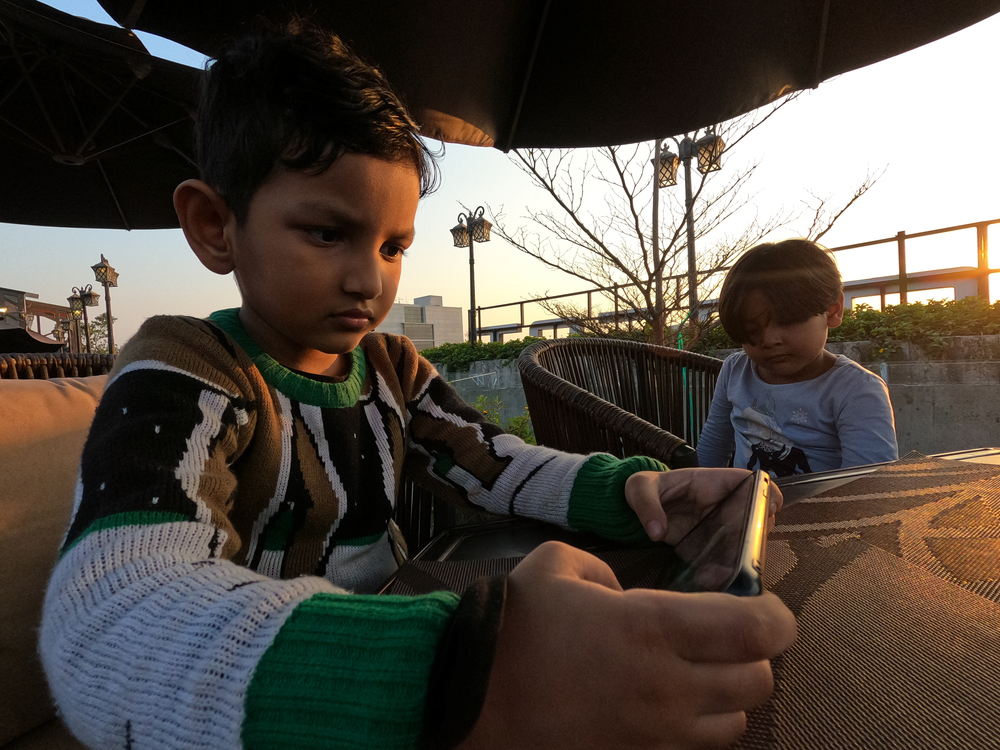
Dhaka (AsiaNews) – On a typical afternoon in the capital of Bangladesh, school playgrounds that once echoed with children’s laughter are becoming quieter. Many children are holed up at home, absorbed in their bright screens. A recent study has found that children in Dhaka now spend an average of almost five hours a day on digital devices – a change that is causing growing concern amongst parents, educators and health experts.
The research, conducted by the International Centre for Diarrhoeal Disease Research (ICDDR), paints a worrying picture. Based on a survey involving 420 children aged between 6 and 14 in six schools in Dhaka between 2022 and 2024, the study reveals that most children spend far more time in front of screens than is recommended. The findings were published in the *Journal of Medical Internet Research (JMIR) Human Factors*.
According to the study, the average daily time spent in front of screens – around 4.6 hours – includes smartphones, televisions, tablets, computers and video game consoles. This is more than double the recommended daily limit of around two hours for recreational use among children. Alongside this trend, the researchers identified a range of health issues: reduced sleep, frequent headaches, eye strain, weight gain and signs of mental distress.
“Children used to run outside to play after school,” comments Ruma Gomes, a Catholic mother from Dhaka, echoing a common concern. “Now they sit alone with their phones.”
More than a third of the children surveyed reported eye problems, whilst around 80 per cent frequently suffered from headaches. Those who used screens for more than two hours a day slept significantly less: on average around 7.3 hours per night, which is below the 8 hours recommended for healthy growth. Similarly, nearly 14 per cent of participants were found to be overweight or obese, with higher percentages among heavy screen users.
Concerns about mental health are also emerging. Researchers observed that around two in five children showed signs of anxiety, hyperactivity or behavioural difficulties. Specialists warn that prolonged exposure to digital screens – especially late at night – can overstimulate the brain, disrupt sleep cycles and reduce opportunities for physical activity and social interaction.
These concerns are echoed by Dr Salahuddin Kausar Biplob, a psychiatrist at Bangladesh Medical University, who believes that excessive internet use can alter brain chemistry. “Like any addiction, it increases dopamine secretion and can affect attention and memory,” he said, noting that some adolescents are also becoming more vulnerable to risky behaviour.
In Bangladesh, unlike some countries where regulations are being introduced to restrict children’s access to social media, public debate on the issue remains limited. However, the problem is becoming increasingly evident, from urban classrooms to family homes.
“As children and teenagers spend between four and five hours a day on their mobile phones, they struggle to concentrate at school,” says Fr Uttom J. Rozario, headteacher of St Louis High School in Natore. “They become restless in class. Some are also exposed to harmful or inappropriate content, which can influence their behaviour.”
From the Church’s perspective, the issue is not simply about technology, but about the child’s integral development. Fr Rozario urges families to take on greater responsibility. “Parents should not simply give mobile phones to their children, but also guide them in using them properly,” he explains. “They must teach values, so that young people do not find themselves in harmful situations, whether online or offline.”
The economist Fahmida Khatun, executive director of the Centre for Policy Dialogue, emphasised that the problem extends beyond children: “Adults, too, use social media in ways that can have destructive consequences. We must reflect seriously on the kind of society we are building.”

.png)
07/02/2019 17:28