








Elections in Bangladesh held without major incidents, results expected tomorrow
Voting concluded at 4:30 PM. The Election Commission will announce the results tomorrow morning. A Yes vote in the constitutional referendum could lead to the drafting of a new constitution without the Awami League, which led Bangladesh to independence. Minority representatives confirmed the peaceful atmosphere, but called for greater inclusion.
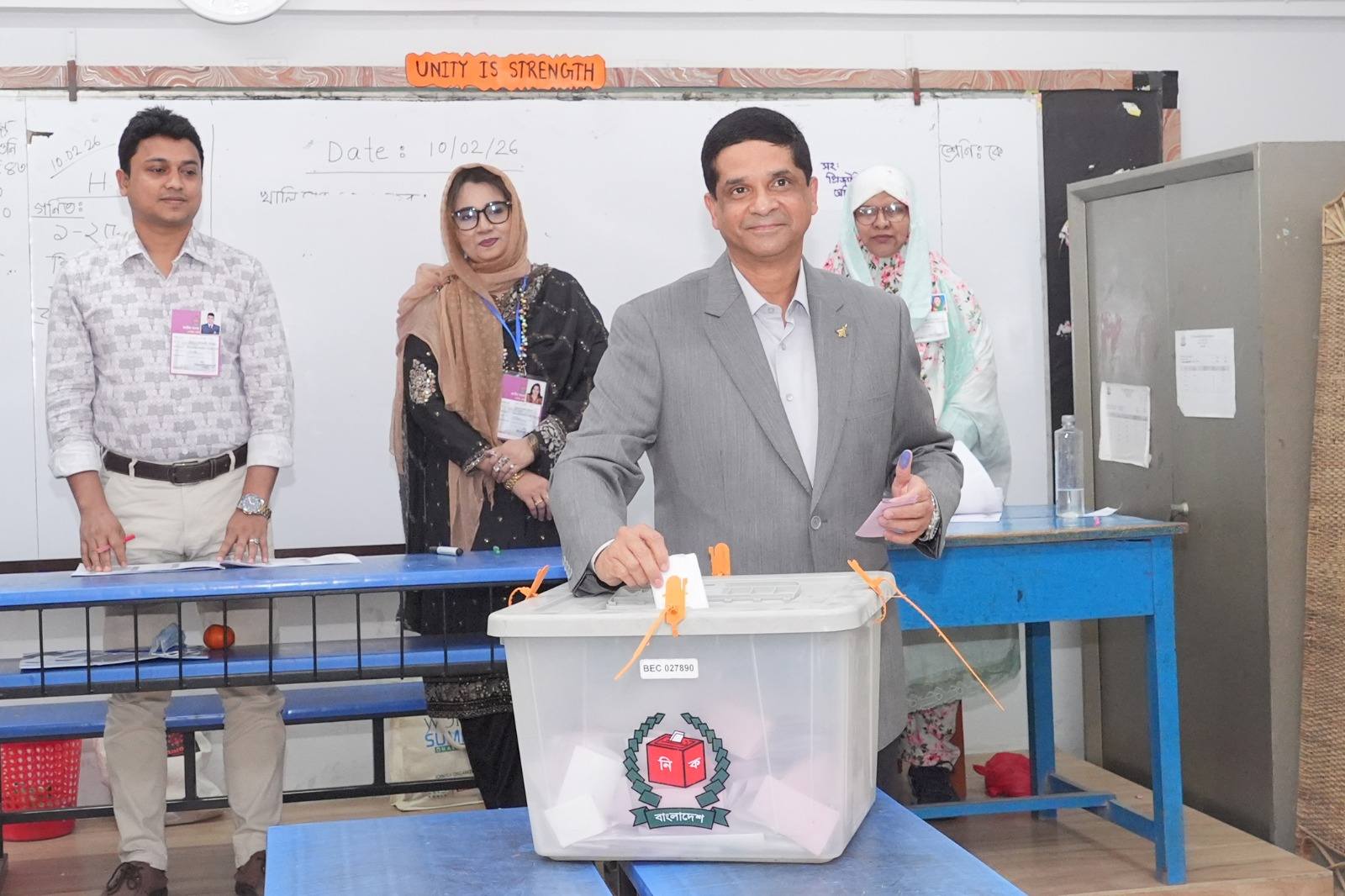
Dhaka (AsiaNews) – Voting in Bangladesh took place today in a calm and orderly fashion. Results, which will be announced tomorrow, will determine the composition of the country’s parliament, but could also see the country's constitution rewritten if the "yes" vote wins the referendum.
Polls opened at 7:30 am in 299 constituencies and remained open continuously until 4:30 pm, in an almost festive atmosphere, according to some observers.
According to the Election Commission (EC), turnout reached 47.91 per cent by 2 pm, based on data from 36,031 polling stations. Earlier, at noon, data from 32,789 polling stations indicated a combined turnout of 32.88 per cent for the parliamentary elections and the constitutional referendum.
EC Senior Secretary Akhtar Ahmed reported that only a few isolated violent incidents occurred, none of which disrupted the voting process. Local authorities, he explained, intervened quickly where necessary, ensuring security and allowing voters to cast their ballots without fear.
Nirmol Rozario, president of the Bangladesh Hindu Buddhist Christian Unity Council, explained to AsiaNews that the vote was conducted peacefully, with no signs of unrest.
The Council had set up an election monitoring unit, and, according to Rozario, there were no reports of attacks or threats against members of minorities during the day.
While acknowledging that many voters were initially anxious, he reiterated that minority communities were able to vote freely.
Still, he expressed regret at the absence of the Awami League, a party that led the country to independence in 1971 and has now been excluded from drafting a new constitution.
In his view, the absence of such a significant political force has prevented the vote from being truly inclusive.
The caretaker government led by Muhammad Yunus did not include any minority representatives in the eleven committees it created after the ouster of former Prime Minister Sheikh Hasina.
Looking to the future, Rozario expressed hope that the coalition that will form the next government will ensure the participation of minority communities, who currently make up about 8 per cent of the population, and lead Bangladesh towards political stability and renewed economic growth.
Bangladesh Nationalist Party (BNP) President Tarique Rahman, the favourite according to some observers, said his party would accept the result if the vote was conducted without controversy.
After casting his vote at the Gulshan Model High School and College polling station, Rahman told reporters that attempts were made to obstruct the vote in some areas.
Without citing names, he accused his political rivals of engaging in unfair practices. However, he expressed confidence that a high turnout would counteract any manipulation.
Similar statements came from Shafiqur Rahman, leader of the Islamist party Jamaat-e-Islami, who expressed hope that citizens would choose their representatives wisely.
However, he too complained that some members of his party were removed from polling stations in Barura, Comilla District. He blamed the "opposition" for this as well as for attempting to influence the vote at the Manipur Girls School in his constituency, Dhaka-15. The arrival of the army quickly restored order.
Despite the generally peaceful atmosphere, six deaths were reported at polling stations in Dhaka, Chittagong, Khulna, Manikganj, Brahmanbaria, and Gaibandha.
According to authorities, five people died after suddenly falling ill, while one person was reportedly pushed, although details remain unclear.

.png)










