








Film cancelled in Brahmanbaria after protests by madrasa students
At a school, university students had organised the screening of “Banolata Express”, a current box office success in Bangladesh. The show was halted to avoid unrest. Islamist leaders oppose the return of cinema to the city. The incident has sparked a wide debate about cultural and religious identities. For Rumeen Farhana, there is a risk of “leading our next generation into darkness.”
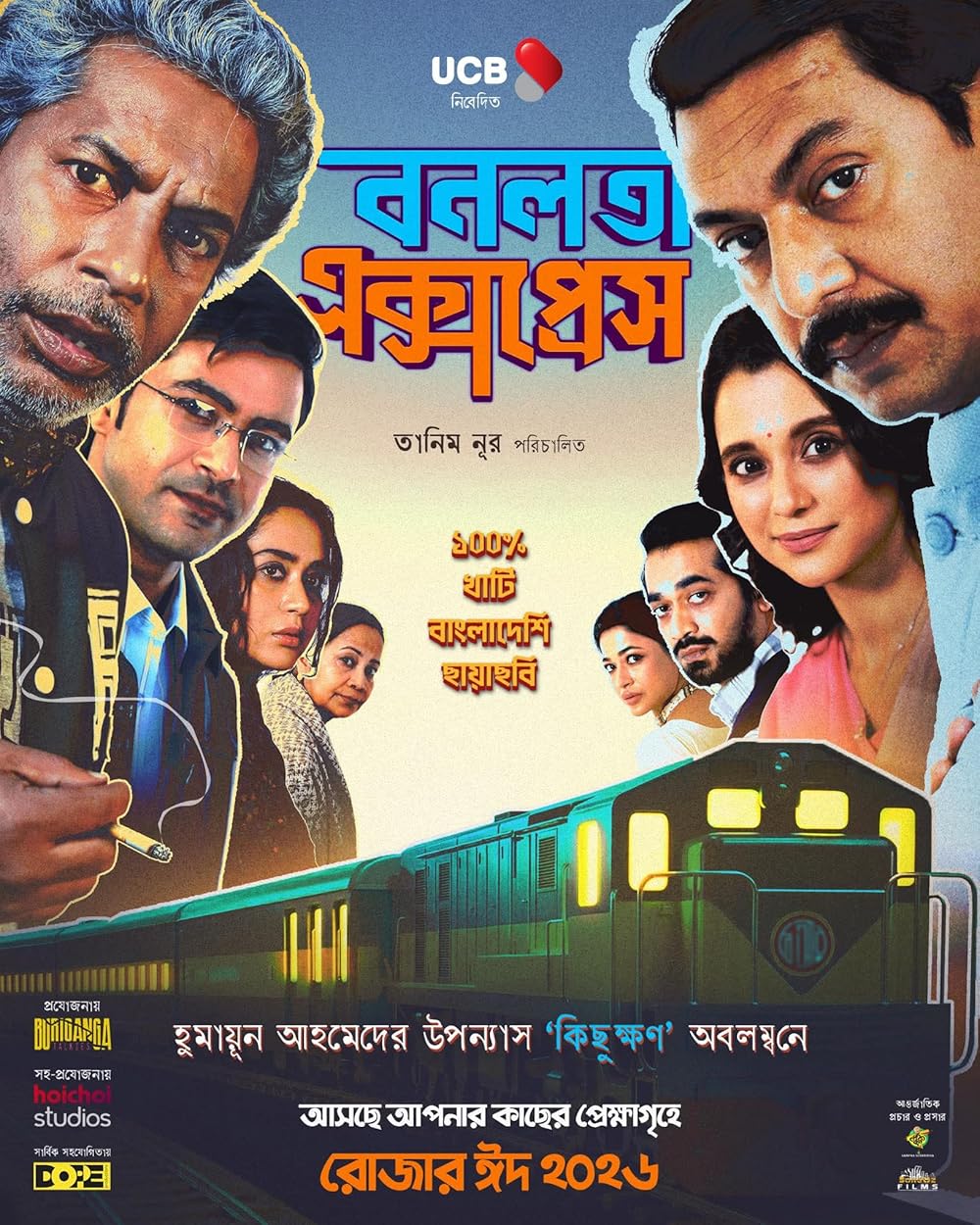
Brahmanbaria (AsiaNews) – The Brahmanbaria Film Society, a film group made up of university students, had scheduled the screening of the popular Bangladeshi film Banolata Express for 30 May in the auditorium of a local school in the homonymous district in eastern Bangladesh. But due to a campaign led by students from Qawmi madrasas, who opposed the screening on religious grounds, the event was abruptly postponed.
Thus, a modest film screening organised by students turned into a discussion about faith, freedom of expression, and the fragile space reserved for culture in Bangladesh's changing social landscape.
The organisers say the decision to cancel the event was made reluctantly to prevent potential unrest. “We tried despite facing obstacles in various places, including online,” said Bakhtiar Shahriar, the film society general secretary. “But the school authorities withdrew permission, fearing attack, and we received no support from the administration. We have been asked to stop for now.”
The controversy had started a few days earlier, when posts calling for the event's cancellation began popping up on social media. Some student religious leaders said it was an attempt to "reintroduce cinema" to a city they consider rooted in Islamic culture.
In an emergency meeting at the Jamia Islamia Yunusia madrasa on 29 May, Islamist leaders and students vowed to block the screening “at any cost”, with protests and sit-ins.
For many residents of the district, historically known as a cultural hub, the decision was deeply unsettling. Abdun Noor, a local cultural activist, warned that the incident sends "a negative message about Brahmanbaria across the country and even internationally,” adding that film screenings are not prohibited under Bangladeshi law.
Nonetheless, following the protests, local authorities raised procedural issues, and the district commissioner stated that the organisers had not obtained formal administrative approval. Given the delicate nature of the situation, screening would remain suspended “in the interest of maintaining peace and order,” he said.
Yet, the permit dispute notwithstanding, the episode reveals deeper tensions between conflicting visions of society.
On Monday, 1 June, hundreds of residents, students, and activists gathered in the village of Shahbazpur to form a human chain to protest. Among them was lawyer and member of parliament Rumeen Farhana, who spoke of growing pressure on cultural life.
“A state that cannot protect children from violence, corruption or injustice — how can it justify stopping cultural activities?” she asked.
Banolata Express, “a film for the whole family”, directed by Tanim Noord, was released in March 2026, to great success among critics and audiences even outside the country’s borders; for this reason, Farhana wonders why its screening should be prevented, noting that any limits on culture risk “leading our next generation into darkness.”
The lawmaker also expressed concern over what she sees as rising extremism in Bangladesh, citing recent attacks on places of worship and cultural spaces. “This country has always been a place where different traditions coexisted,” she said in the village of Shahbazpur.
“We have heard both the call to prayer and the songs of Bauls. Who wants to turn Bangladesh into a land of intolerance?” she asks.
Her remarks resonated with many in the crowd, including young students and cultural workers, who fear that the space for artistic expression is shrinking.
A Christian actor, who requested anonymity for security reasons, told AsiaNews that the debate goes beyond a single film. “Blocking cinema screenings cannot be a solution,” he explained. “If there is no culture, people will turn to superstition or other harmful influences. Healthy entertainment has a role in shaping society.”
Regarding Banolata Express, the film offers a positive message, in his view, and watching it should remain a matter of personal choice. “Those who do not want to watch it can simply stay away. But preventing others from doing so is not right.”
Church observers in Bangladesh, while not directly involved in the controversy, are following developments with growing attention.
Christian leaders have long emphasised the importance of dialogue, religious coexistence, and the preservation of spaces where diverse voices can be heard.
In a country where Christians constitute a tiny minority, the ability to peacefully express one’s cultural and religious identity is seen as closely linked to the overall health of democratic life.

.png)
02/05/2019 16:58
24/08/2021 16:36
28/08/2021 10:24










