








Indian churches: Prayer and protest against regulations on foreign aid
The Bishops’ Conference has called for a day of action tomorrow, a Sunday, against the new FCRA licensing regulations which, in the name of “national security”, are stifling Christian schools, hospitals and welfare organisations. Cardinal Poola: “We serve the poor to live out the Gospel”. Thousands of licences have already been revoked in recent years.
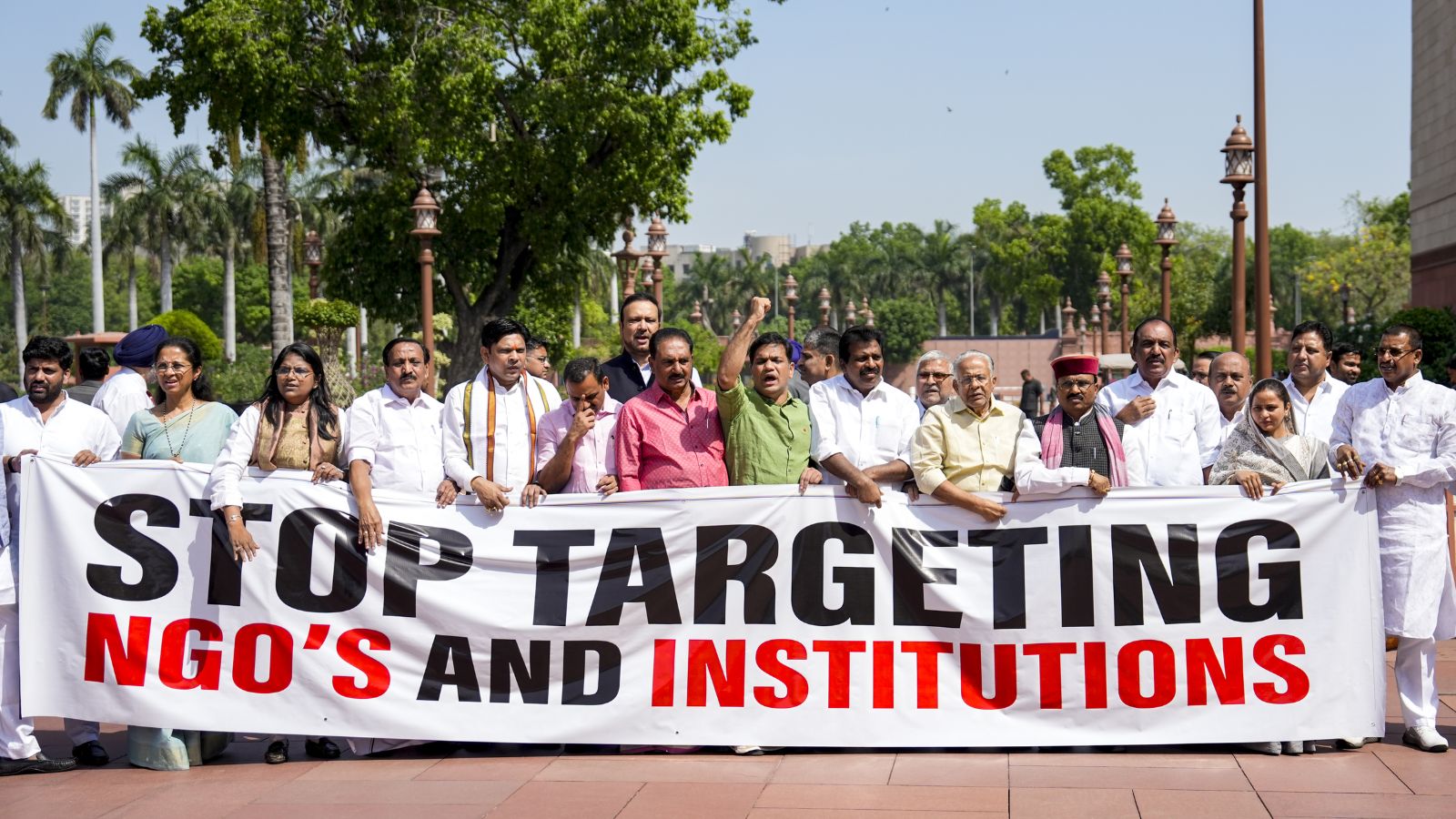
Delhi (AsiaNews) – Churches across India will observe a National Day of Prayer and Awareness tomorrow in response to the increasingly stringent regulations on foreign funding. The campaign, announced by the Catholic Bishops’ Conference of India (CBCI), comes immediately after the Indian Ministry of Home Affairs notified the Foreign Contribution (Regulation) Amendment Rules, 2026.
The new rules explicitly target evangelisation activities and restrict the way in which religious minority institutions operate.
The notification, published in the Official Gazette and which came into force on 22 June 2026, radically alters the way in which non-profit organisations manage funds from abroad. The government maintains that these measures are necessary to preserve national sovereignty. Christian leaders, however, argue that they create an administrative barrier designed to paralyse the basic social activities promoted by churches, such as schools and welfare institutions.
The main changes introduced by the measure include:
Explicit ban on proselytising: the text repeatedly emphasises that, whilst funds from abroad may finance ordinary worship, theological training and community canteens, it is strictly forbidden to use them for any activity linked to religious conversion.
Segregation by specific activities: non-profit organisations will no longer be able to register under a generic ‘religious’ or ‘social’ category. They will have to choose specific, limited objectives from a list defined by the state, paying separate registration fees for each Indian state and category of activity. Existing organisations will have one year to comply.
Ban on foreign staff: organisations that have foreign nationals as ‘key officials’ (including directors, trustees and partners) will normally have their registration applications rejected.
Digital monitoring: registered organisations will be required to provide the government with full details of their websites, publications and personal social media accounts.
Further fuelling communities’ concerns is the Foreign Contribution (Regulation) Amendment Bill, the framework bill reforming this area currently under consideration by the federal parliament in New Delhi. If passed, this framework legislation will provide for the establishment of a “designated authority” vested with broad executive powers.
If an organisation’s FCRA licence is revoked, surrendered or simply expires without an approved renewal, this state authority will be able to seize, administer and dispose of, either provisionally or permanently, the assets and property of that NGO.
In effect, public officials would be given a blank cheque to confiscate schools, orphanages and hospitals built over decades thanks to the sacrifices of the Churches and the generosity of benefactors.
“The Church in India has always served society, particularly the poor and the marginalised, as an expression of Gospel values,” wrote Cardinal Anthony Poola, Archbishop of Hyderabad and President of the CBCI, in a circular sent to parishes across the country. The Catholic Church in India emphasises that this structural tightening forms part of a broader “strategy of attrition”. In recent years, over 21,900 NGO licences have been revoked: major Catholic networks, including the Tamil Nadu Social Service Society (the charitable arm of the local dioceses – ed.) and prestigious Jesuit research institutes, have already seen their foreign funding cut off under intense political and ideological pressure.
Describing the initiative as both a spiritual and a democratic response, Cardinal Poola called on the faithful to unite in prayer and solidarity with other Christian denominations. He encouraged dioceses, parishes, religious communities and institutions to organise special prayers during the celebration of the Eucharist on 28 June, offering intentions for the nation, for public leaders and for the Church’s freedom to continue its mission of service.
The CBCI also recommended Eucharistic adoration, the recitation of the Rosary, moments of prayer and voluntary fasting as part of the campaign. “Prayer unites us in faith, strengthens our hope and renews our commitment to continue the mission entrusted to us by Christ in the service of all people,” wrote Cardinal Poola, quoting St Paul’s exhortation from the Letter to the Philippians: “Do not be anxious about anything, but in every situation, by prayer and petition, with thanksgiving, present your requests to God.”

.png)
28/07/2016 15:33
02/08/2016 13:07










