








Manila starts moving beyond the remittance economy
12.5% of Filipino families still rely on remittances sent by relatives who have emigrated abroad for their livelihood. However, international instability, the more stable forms of residence abroad for many migrants and economic changes in Manila are changing the overall picture, with a significant decrease in the percentage contribution of this form of income to gross domestic product.
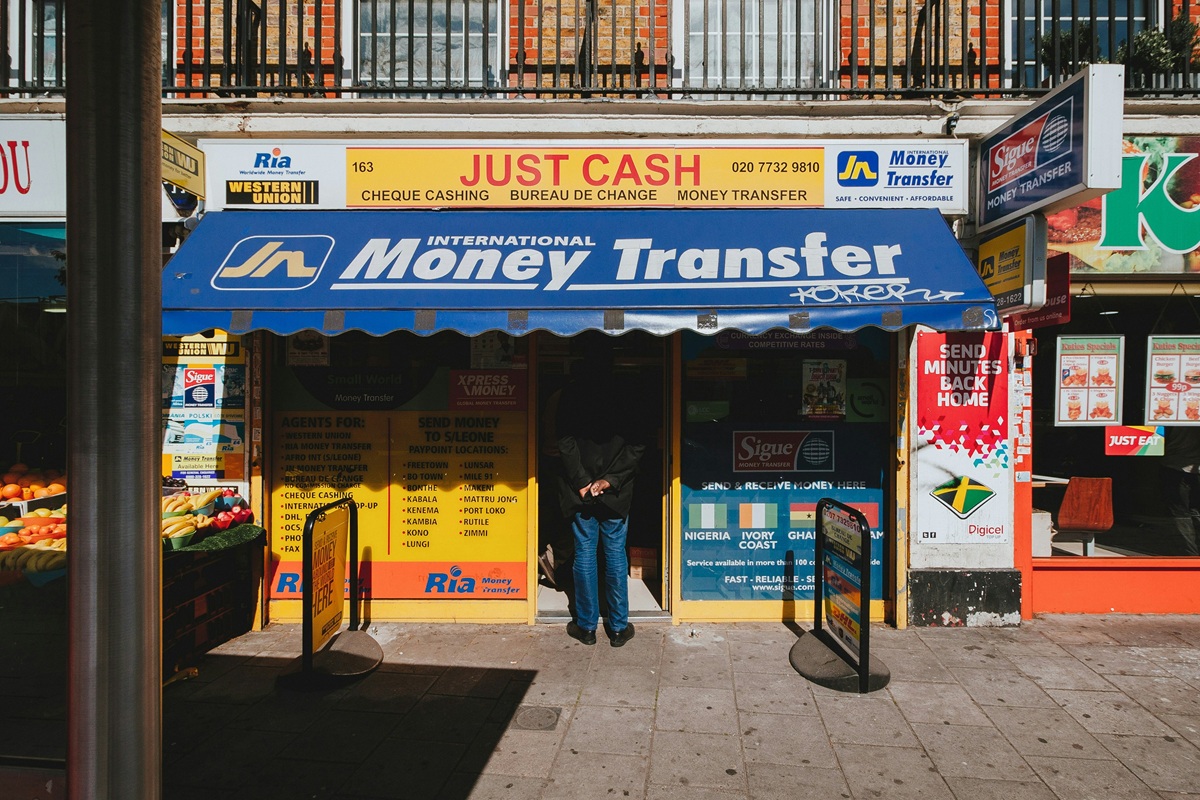
Manila (AsiaNews) - For a long time, emigration has been promoted in the Philippines with the dual purpose of providing an alternative to the domestic labour market, which is often informal, poorly paid and insecure, but also and above all to guarantee remittances with a positive effect on the national economy. Suffice it to say that 12.5% of Filipino families base their livelihood on remittances sent by family members abroad. On the other hand, data show that remittances peaked in 2024, rising to .4 billion, equivalent to 8.7% of gross national product.
This is a record among countries with the highest levels of migration, but several factors indicate that dependence on this source of wealth needs to be reviewed. Some reasons are international, such as uncertainty about the stability of sensitive areas, starting with the Middle East, a traditional magnet for Filipinos working abroad. However, the possibility recently expressed by President Trump that a 1% tax on remittances will be imposed on immigrants is also causing concern among the Filipino community in the United States, which alone sends 40% of total remittances to their country of origin.
However, the situation has evolved over time, as have the characteristics of emigration, which has gone from being episodic or temporary to very often permanent, at least in the main host countries, while further extending to almost all countries in the world.
The fact that the percentage of GDP has been declining since 2005 and that its annual growth has even halved to 3.3% is a clear sign that the task assigned to the “modern heroes” extolled by government policy as a support for the economy and social stability needs to be reviewed and reassessed in the context of a reality that is developing and will increasingly need to develop other sources of income.
It is significant that a country such as the Philippines, which in its modern history has enjoyed a reputation for poverty and a strong negative balance of payments, has now become a “net lender” in dollars. A factor that has recently come into play is the outsourcing of business processes, which has had a positive impact on costs and revenues; but for some time now, the “driving force” of remittances has also triggered an increase in domestic consumption, which has itself become a consolidated source of economic growth.
Other factors contribute to the gradual liberation from migrant remittances. On the one hand, there are the well-known social consequences of the presence of around 10 million Filipinos abroad, around half of whom are permanent residents outside the archipelago. In this regard, it is significant that there are no official statistics on the negative economic repercussions, in individual or collective terms, for both migrants and their communities of origin.
The risks of exploitation or abuse are also well known, as are the risks associated with local crises or conflicts, which in turn place migrants and their families in a situation of income uncertainty. Finally, continued dependence on remittances prevents or limits the development of the labour market, which, with substantial investment in the productive and tertiary sectors, could compensate for insufficient wages and guarantee Filipinos better employment opportunities at home. It is also necessary and increasingly important to adequately prepare those who receive remittances, so that these sums of money do not only satisfy basic needs or fuel unproductive expenses, but become a source of investment for families, participating in a virtuous circle that will eventually eliminate the need for emigration.

.png)
11/08/2017 20:05










