








As Sri Lankas’s population ages, the vulnerability of senior citizens grows
The latest census reveals an increasingly aging country. People over 60 already represent 18 per cent of the population and could become a quarter by 2041. Due to low labour force participation, inadequate pensions, and a lack of care services, the risk of vulnerability for millions of elderly people is growing. Without reforms, aging risks turning into social and economic crises.
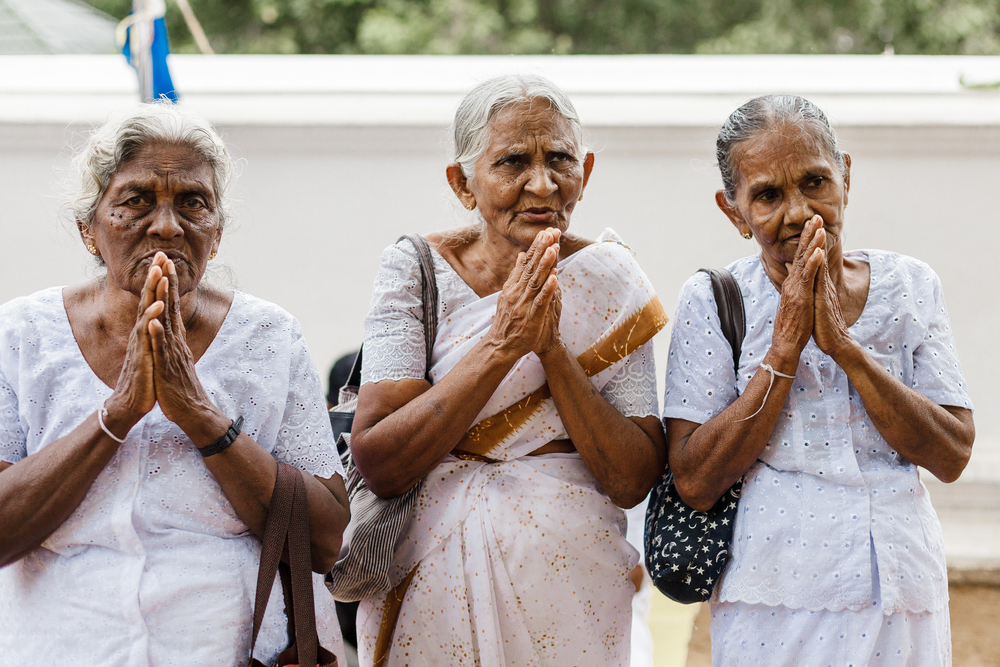
Colombo (AsiaNews) – Sri Lanka’s population is rapidly aging, a process with profound economic, social, and health implications, this according to the final report of the 2024 Population and Housing Census, recently released by the Department of Census and Statistics.
The study paints a picture of an increasingly aging country, with fewer children, more widows, and growing health and employment-related vulnerabilities.
According to official data, Sri Lanka's population reached 21.78 million on 19 December 2024, up by 1.42 million over 2012. However, the demographic structure has undergone a significant shift: senior citizens now constitute 18 per cent of the total, while children dropped to 20.7 per cent, a ratio of 87 older people for every 100 children.
Added to this are significant health challenges. Approximately 3.2 million people (157 per thousand inhabitants) report at least one physical or mental ailment, while more than 727,000 have some form of disability related to vision, hearing, mobility, cognition, self-care, or communication.
At the same time, 4.18 million citizens, 19.2 per cent of the population, suffer from diseases such as hypertension and diabetes, with a higher incidence among women and the elderly.
The census also highlights the paradox of the “health literacy gap”, namely higher overall education does not translate into high health literacy.
Migration also complicates the situation. Almost one Sri Lankan in eight, or 13 per cent of the population, is an internal migrant, with movements primarily related to marriage and, secondarily, work. The districts of Gampaha and Colombo have the highest concentrations.
Experts warn that the aging population risks becoming a structural vulnerability without government intervention.
As Sampath Mendis and Damayanthi Caldera explain, almost one in six or 18 per cent of the population is 60 and older, a percentage that is expected to rise to one in four by 2041.
“To earn a demographic dividend, seniors need to save and invest to finance consumption when they retire retirement,” the researchers note. Yet, in Sri Lanka, “around 49 per cent of people aged 55 to 64 are economically inactive, while the labour force participation rate for men and women is 36 per cent and 11 per cent, respectively”.
What is more, the 60-year retirement age restrict formal sector employment opportunities for seniors. As a result, most find work in the informal sector, which undervalues their skills and employs them below their capacity.
Seniors have few opportunities for part-time and flexible work, but with life expectancy averaging 75.5 years, they can expect about 15 years of post-retirement life ahead of them, with limited income and job opportunities.
This picture is made more complex by limited pension coverage. According to economic analysts Udara Senanayaka and Lakmali Mayadunne, only 31 per cent of seniors receive a pension.
With the vast majority lacking adequate savings, more than three quarters depend financially on others. Even among those who benefit from pension funds, such as the Employees' Provident Fund, many tend to exhaust their resources without investing them for the long term.
These trends are estimated to increase the economic dependency ratio of older people, which could reach 29.2 per cent by 2030, making the population more vulnerable.
Another challenge concerns care. Currently, approximately 76 per cent of people over 65 live with their children, but this pattern is set to change with smaller families and rising female participation in the workforce.
"Three-generation families will drop from 19 per cent in 2012 to 5 per cent by 2060. Less family care, due to shrinking family size and greater female employment, will boost the demand for paid care services.”
For the experts, “This means a growing gap between supply and demand for healthcare services. Public facilities are inadequate, while private ones are often inaccessible to the majority of the population”.

.png)
07/02/2022 16:05
18/07/2024 16:39










