








Maronite Patriarchate promotes a new vocation and identity for priests’ wives
In Lebanon, the first assembly of the “khouriyètes”, the affectionate term for the wives of married priests. A “virtuous revolution” for the Maronite Church, promoted by the bishops of Antelias and Batroun and supported by the patriarch. A message of encouragement from Cardinal Mario Grech: “Be faithful to your vocation”.
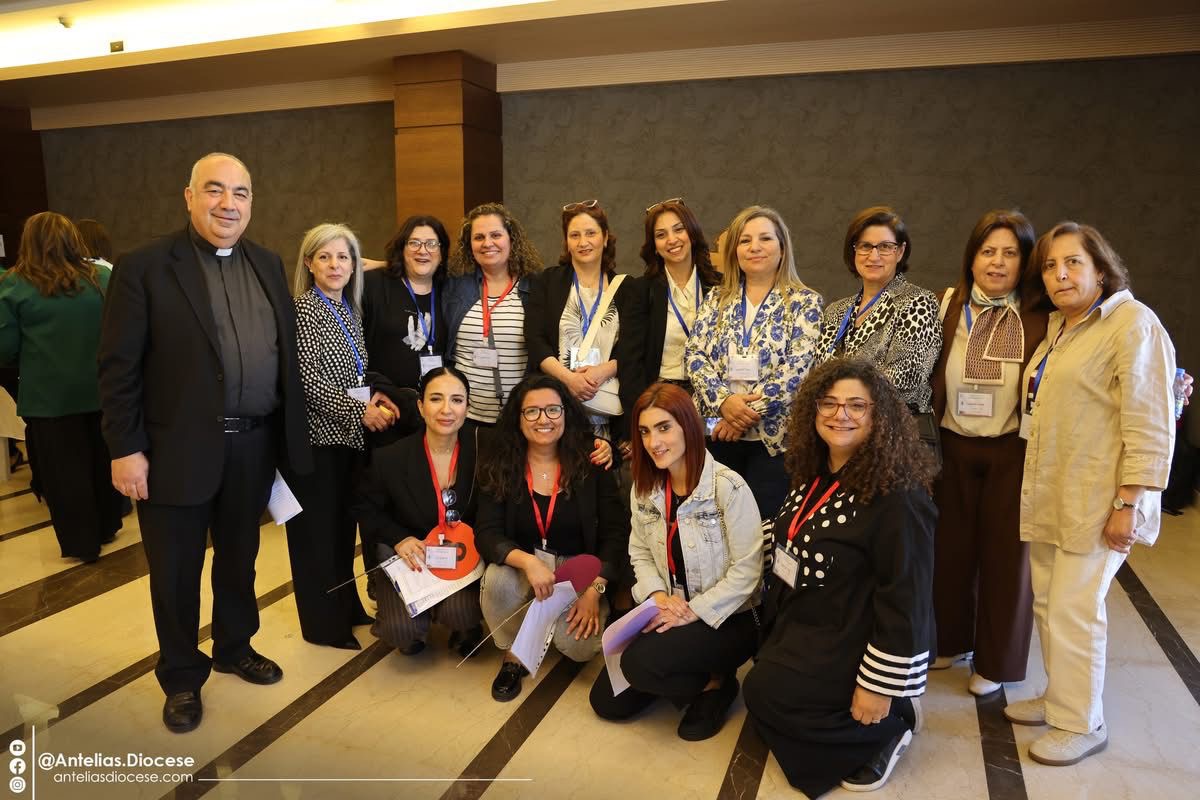
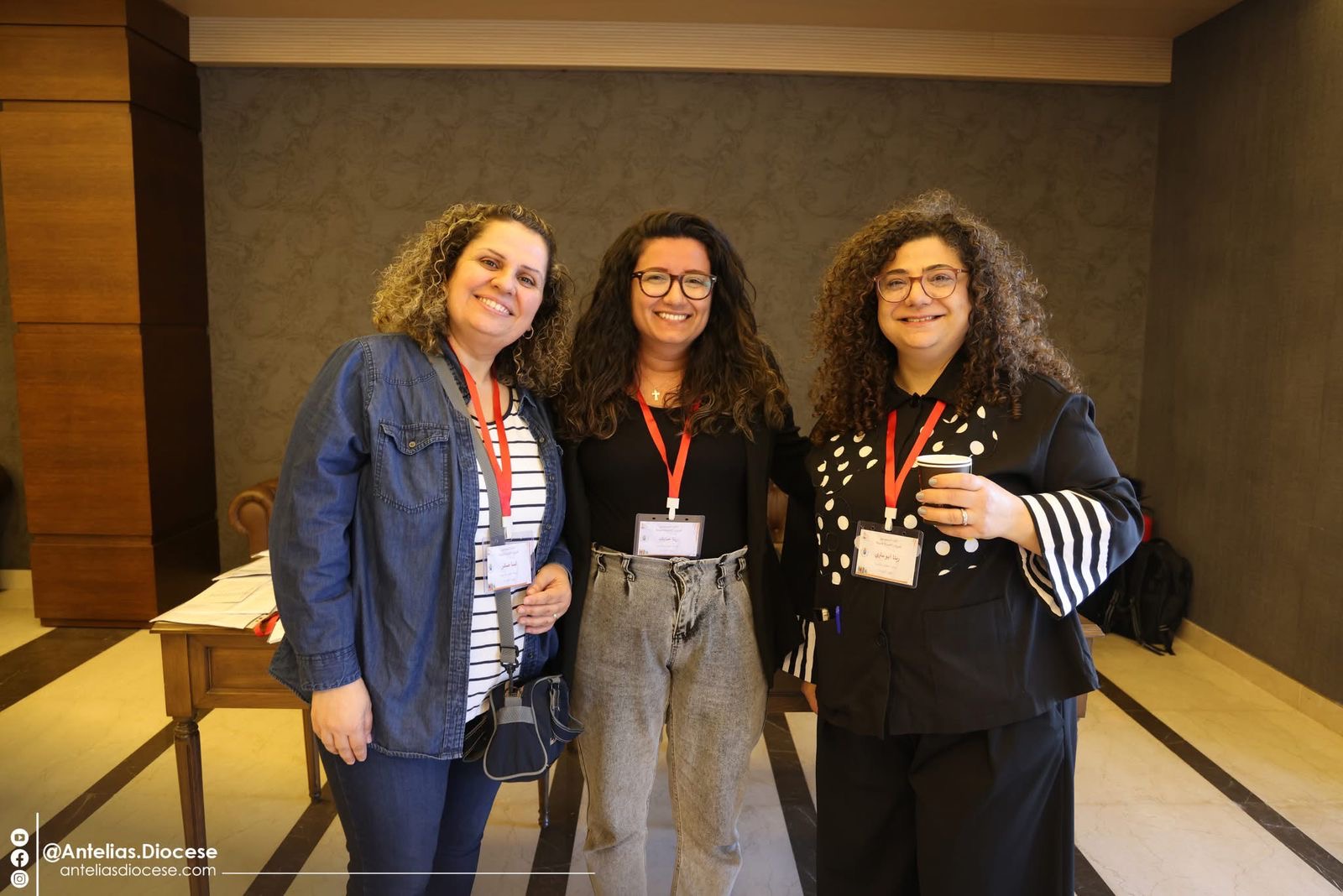
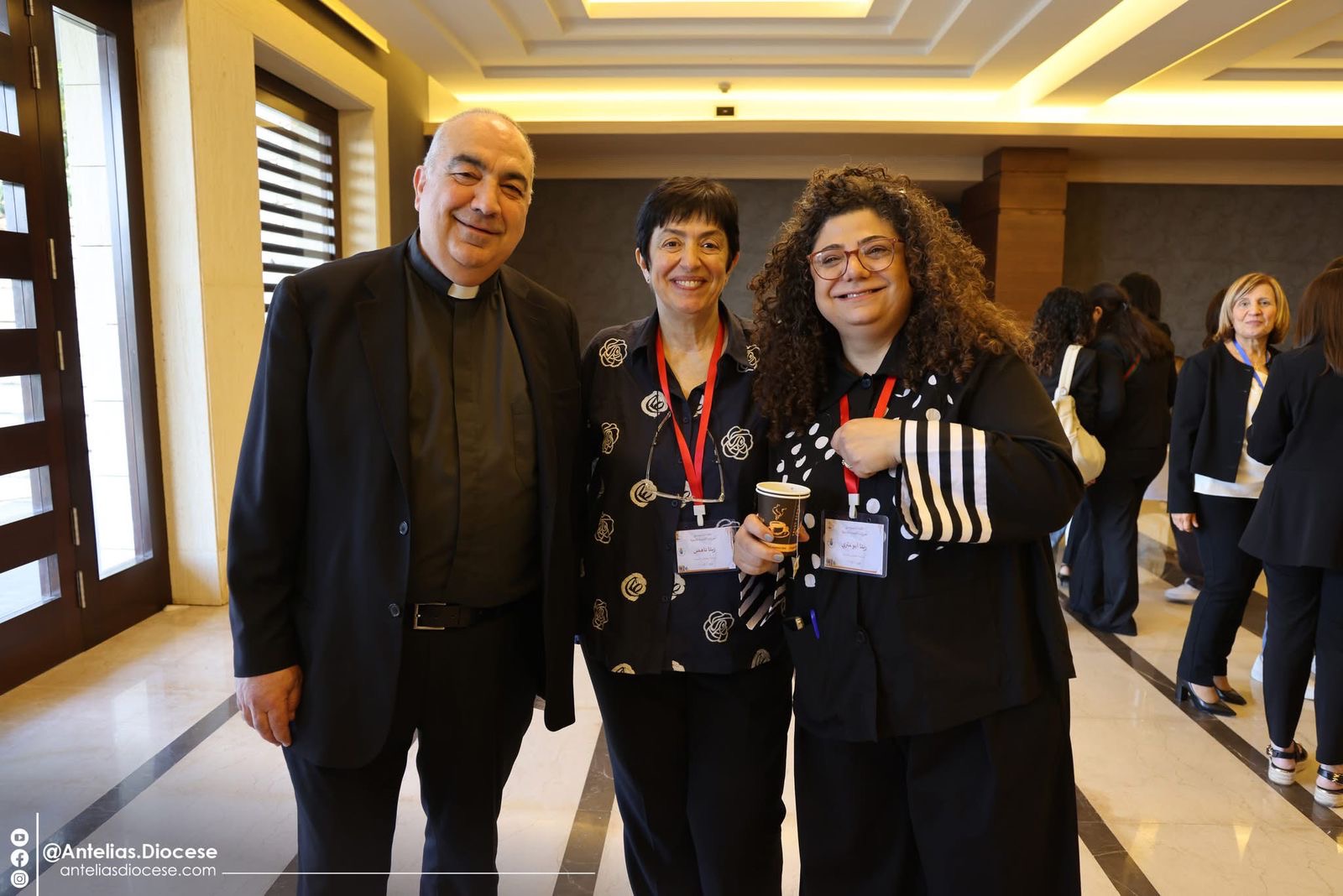
Beirut (AsiaNews) - Their names are Rita, Paulette, Nadia, Nour, Charlotte and Dounia, and they are all married to Maronite priests. They are the “khouriyètes”, the feminine form of the word “khoury” (priest), an affectionate title they have always borne.
On 16 May, they had the joy of taking part in the first national meeting of the wives of Maronite priests, which decided to confer upon them a distinct identity and to ensure they are an integral part of their husbands’ priestly journey.
In a message to the assembly, Cardinal Mario Grech, Secretary General of the Synod of Bishops, highlighted the dual movement embodied by this initiative: fidelity to the Eastern tradition of the Maronite Church and, at the same time, openness to the prominent place and role that women must play in contemporary society.
The meeting, a historic first, was jointly organised and launched by the Diocese of Antelias, presided over by Bishop Antoine Bou Najem, and by the Patriarchal Follow-up Committee of the Synod on Synodality, presided over by Bishop Mounir Khairallah of Batroun.
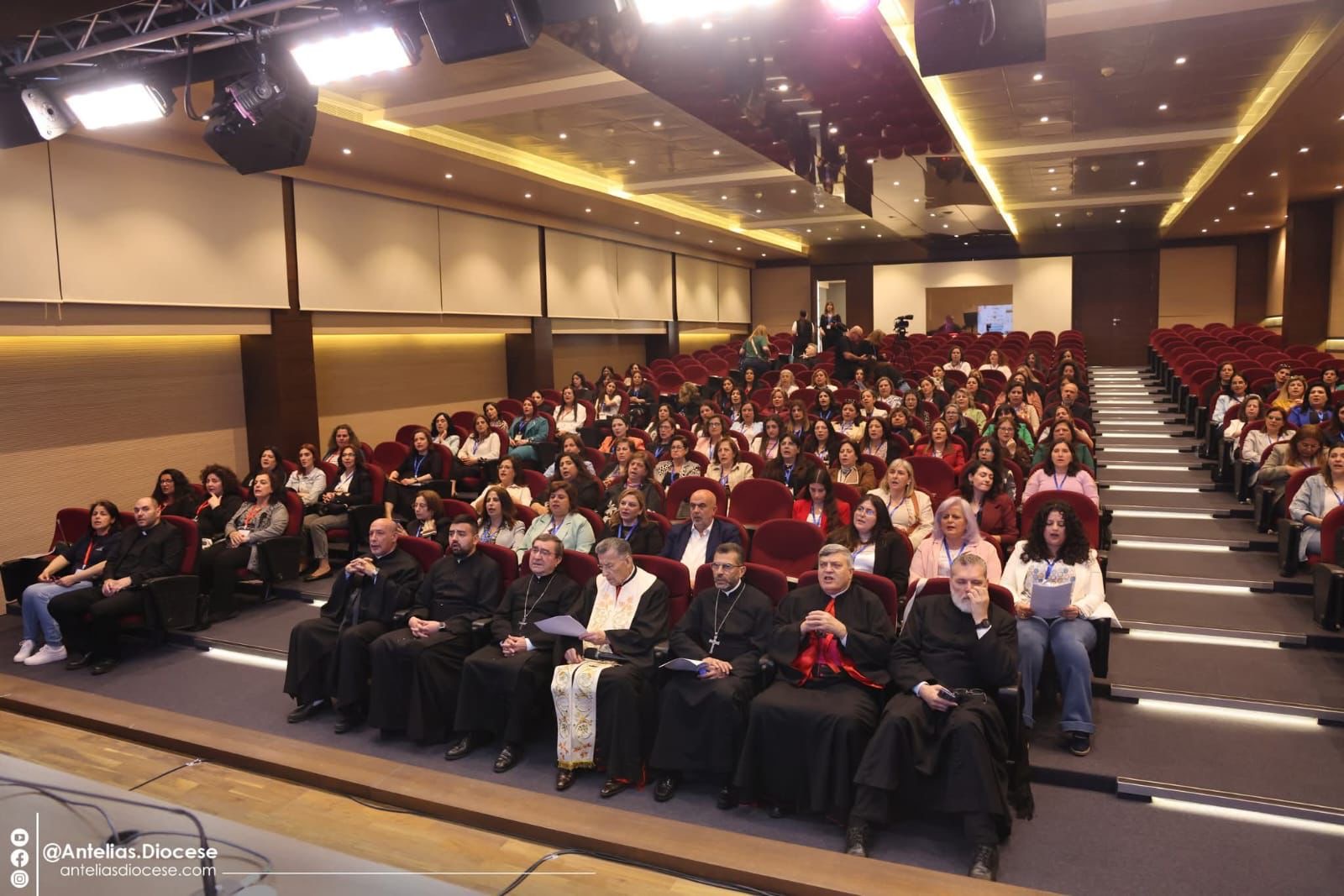
The initiative took place under the theme “Vocation and mission of the ‘khouriyé’ in the Church” and brought together 154 priests’ wives, attending an event described as an “immense gift” because it secured community recognition and the guarantee of ongoing formation.
“Among those present was even the wife of a priest whose son is himself a married priest,” says Rita Abou-Mitri, 49, coordinator of the group of priests’ wives in the Diocese of Antelias, with a smile. This organisation played a leading role in bringing about this first-of-its-kind event at national level.
“The oldest was celebrating her 50th wedding anniversary, and the youngest had only been married for a week!” she adds with a laugh. The number of “khouriyètes” in Lebanon “is higher” than that represented by this gathering today, admits Rita, who points out that “there is still a lack of precise data on the matter”.
The importance of the role of Maronite priests in Lebanese society needs no emphasising. Their marriage is an integral part of the local Church’s tradition and is often seen as a source of stability. Within the Church, they enjoy a special status: their state of life is chosen before ordination. As diocesan priests, they cannot be consecrated as bishops, nor can they remarry after the death of their wife. In the West, the late Pope Francis authorised their presence and ordination, due to the migratory flow driving Christians out of the Middle East.
Rita, a qualified nurse, and her husband, Georges Abou-Mitri, parish priest of St Michael’s in Beit Chaâr (Metn), have three children: two boys aged 15 and 18 and an 11-year-old girl. They met whilst Georges was preparing for the priesthood at the seminary in Ghazir (Kesrouan). Her husband’s academic background also includes hotel management, spiritual direction and philosophy. No feelings of betrayal or guilt undermine their relationship: Fr Georges, in fact, had already opted for marriage at that time, following a process of discernment conducted with his spiritual director.
“Leaving God for God”
For this couple, the two vocations—marriage and the priesthood—are not in contradiction. One of the “golden rules” of their life together is that of flexibility, which St Vincent de Paul established for the Daughters of Charity: “There are certain occasions when one cannot maintain the order of the day’s activities […] charity is above all rules […] God calls you to pray and at the same time calls you to that poor sick person. This is what is meant by leaving God for God’s sake.”
“It is a law of freedom,” comments Rita. “Like any mother,” she continues, “there are times when I have to interrupt Mass to look after the children; or step away from a meeting if an emergency requires it. At the same time, I must show great restraint in my dealings with the various social or charitable committees of the parish, youth organisations, the annual preparation for First Communion, women’s committees, relations with the school, and so on.”
“It is our collaboration that helps the family grow,” the khouriyète continues. In particular, for Rita, the word “collaboration” means that the two vocations are conceived of and lived together, and together they form a pastoral team without this synthesis introducing a false hierarchy within the couple. At its core lies a difficult balance [“challenging”, as she describes it, ed.] to be found in the mutual service they render. Moreover, they are well aware of how crucial it is that Fr Georges’ priesthood bears fruit, without their marriage ending in loneliness and overwork, or their children suffering as a result.
“On the contrary,” Rita emphasises, “our good relationship is reflected in my husband’s interactions with his parishioners. If there is tension in the air—and it happens—or if his fatigue is too obvious, this creates problems and they notice it immediately. On the other hand, our two families prioritise Georges’ schedule and reorganise their own timetables accordingly. Even the children adapt.”
Rita points out, however, that in the early years of her marriage, in order to look after her young children, she had to give up her job at a large hospital in Beirut. During those years, they had to rely on her husband’s salary as a teacher; he teaches catechism and provides spiritual guidance at two different schools. It is also customary in Maronite parishes for the priest to receive a salary. However, this amount is not standardised and depends on the resources of each parish. At best, the maximum is 0 a month.
Some parishes may reduce this salary to a mere 0 a month, believing that the priest can generate income through the baptisms, weddings and funerals he performs. The fact remains, however, that in the Maronite Church a priest’s accommodation is normally provided by the parish, his children attend school free of charge, and he has medical and hospital insurance covered by his diocese, as well as a pension fund. “Whether the priest is celibate or married does not matter, provided he does not look back, takes up the yoke of service and follows Christ with joy,” says Monsignor Paul Nahed, himself a married priest and secretary-general of the patriarchal committee for the follow-up to the synod on synodality.
Card. Grech: “True vocation”
Welcomed and accompanied by Patriarch Beshara Raï, Bishop Mounir Khairallah, Bishop Antoine Bou Najem of Antelias, and Bishop Paul Nahed, the participants in the meeting were able to watch a video message from Cardinal Mario Grech. The words of the Secretary General of the Synod of Bishops in Rome were described by Fr Nahed as “surprisingly open” .
“Your invitation,” said Cardinal Grech, “though surprising, has allowed me to appreciate the value of the path your Church is undertaking to ensure this fidelity to its own tradition (…) Given that the tradition of the Eastern Churches has always emphasised the importance of the married clergy, it is essential, in the present age and in the face of growing socio-cultural changes, to ensure that women occupy a role more suited to their immense capabilities”. And this role, the Cardinal continued, “must be able to fully accompany the priestly path, to the point of becoming an integral and not a secondary part of it”.
Addressing the wives present at the meeting directly, Cardinal Grech added: “Be faithful to your vocation. It is, in fact, a true vocation. Live alongside your husbands as priests, offering them your abilities and your intelligence, and above all your faith, your hope and your love. That love which draws its strength from the wonderful gift God has given you: to become mothers within the ecclesial community”.
Dividing into small groups, the women present experienced the “dialogue in the Spirit”, a time for sharing and listening to what the Holy Spirit, through the community of believers, says to the Church. Finally, they were also able to speak with Patriarch Raï, who patiently answered the countless questions regarding the practical aspects of their situation, particularly widowhood. A committee will be responsible for the follow-up to this meeting and for a programme of biblical and pastoral formation. For Rita Abou-Mitri, “the spirit of listening, discernment and participation dominated the day, reflecting – she concludes – a spiritual atmosphere in which the participants saw a Pentecost”.

.png)
07/02/2019 17:28
24/10/2019 17:56










