








Minorities fear on the eve of Bangladesh’s vote
Two days before the national elections, which also include a constitutional referendum, a climate of intense political uncertainty prevails in the country. With the exclusion of the Awami League, the electoral contest will see the Bangladesh Nationalist Party and the Jamaat-e-Islami, two parties deeply distrusted by Hindus and Christians, as the main protagonists. Once again, the country finds itself torn between hope for change and suspicion that the election’s outcome is already preordained.
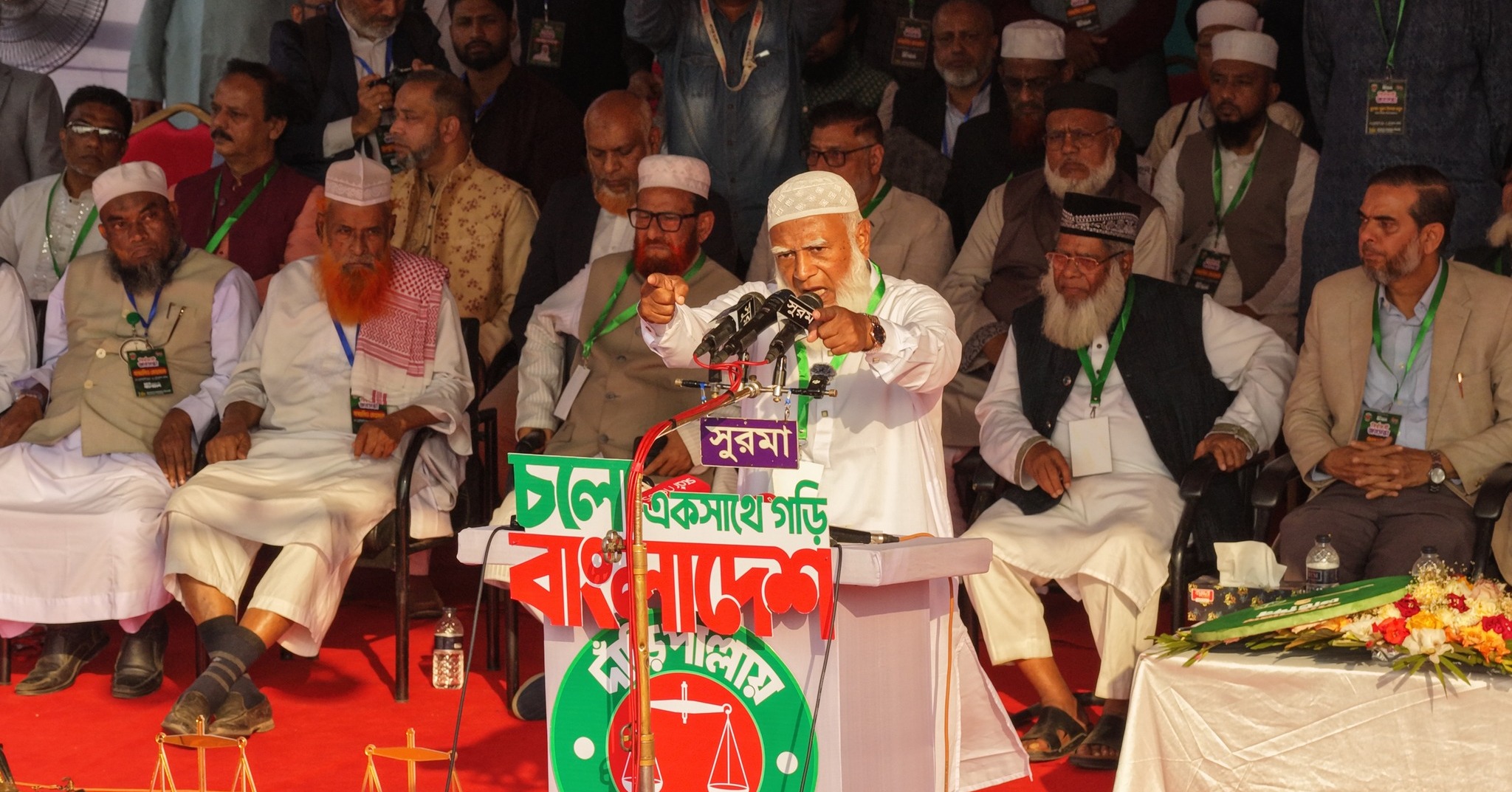
Dhaka (AsiaNews) – Bangladesh is preparing for its first national elections since former Prime Minister Sheikh Hasina fled to India following large, student-led anti-government protests.
Two days before the vote, the political climate is marked by uncertainty and growing fears among minority communities. Christians and Hindus in particular are experiencing a mixture of hope, fear, and political calculation.
Following the exclusion of Hasina's Awami League party, the elections, which also include a constitutional referendum, will likely see the Bangladesh Nationalist Party (BNP) and Bangladesh Jamaat-e-Islami as the main contenders. Many minority voters say they prefer the BNP, considered more moderate.
The Jamaat-e-Islami's conservative agenda and fears that it could introduce forms of governance based on Islamic law (Sharia) continue to raise concerns among religious minorities, who have historically suffered violence from extremists during periods of heightened political tensions.
The situation has become more complicated following the statements of Sajeeb Wazed Joy, son of former Prime Minister Sheikh Hasina, who called on Awami League supporters to abstain from voting.
His words carry significant weight among minorities, many of whom supported the Awami League in the past.
Probhat Tudu, a Supreme Court lawyer and Information and Publicity Secretary of the Bangladesh Christian Lawyers’ Association, told AsiaNews that participation in elections remains a civic duty.
“As citizens of the state, we must vote in the national elections. Voting has great value because through it we elect our representatives,” he explained.
Tudu pointed out that many minorities are now reconsidering their political alliances.
Security remains an issue, though. “There have been various incidents of torture on minorities during elections. I demand the security of our community,” the lawyer said.
In his view, several constituencies rely heavily on minority votes, making some communities vulnerable to retaliation if a party loses. "This has happened in the past," he warned.
In this climate, BNP President Tarique Rahman outlined an electoral platform to “return ownership of the state to the people.”
Speaking to Bangladesh Television (BTV), he emphasised that these elections represent not only a potential change of government, but also the possibility of a more just and equitable society.
Rahman apologised for the “unintentional mistakes” committed during previous BNP governments and called on citizens to support the party on 12 February.
He presented proposals to benefit women, farmers, and low-income groups, including a "family card" for female heads of households that would provide food assistance and a "farmer's card" that provides direct subsidies and agricultural advice.
He also pledged to maintain free education for women until graduation, create daycare centres, breastfeeding spaces in the workplace, safe electric transportation, and tougher laws against online violence.
Jamaat-e-Islami leader Shafiqur Rahman also addressed the nation via BTV, saying he wants to build a society founded on “justice and fairness”.
He insisted that Bangladesh belongs equally to Muslims, Hindus, Buddhists, and Christians. “Everyone will live without fear,” he said, seeking to reassure communities wary of the party's radical reputation.
Adding complexity to the political picture, Chief Adviser Muhammad Yunus, who leads the current caretaker government, met with senior government officials on Monday and expressed confidence that a "Yes" victory in the referendum will bring major changes to the country's political structure.
The referendum proposes reforms to rebalance state’s legislative, executive, and judicial branches. If the "yes" vote wins, the newly elected parliament will act as a constituent assembly for the first 180 days to adopt amendments to the constitution.
Yunus criticised past elections, which were often boycotted by the BNP, and promised that this time the process will be fair and peaceful. He also emphasised that for the first time, Bangladeshis living abroad will also participate in the electoral process.
However, signs of polarisation have already emerged. Sajeeb Wazed Joy harshly criticised statements by Foreign Affairs Adviser Touhid Hossain, who predicted a turnout of over 55 per cent, claiming that such forecasts show that the vote is "pre-packaged" and the outcome predetermined.
In a social media post, Joy stated that citizens should not participate in an election that he described as staged, calling for a boycott of the polls.

.png)










