








Myanmar military imposes mandatory registration for all mobile phones
Presented as a "tax measure”, the requirement further tightens digital surveillance in a country torn by civil war for more than five years following a military coup. By tracking devices, the regime is not only repressing dissent, but also undermining people’s daily survival thanks to high-tech tools made available by Chinese firms.
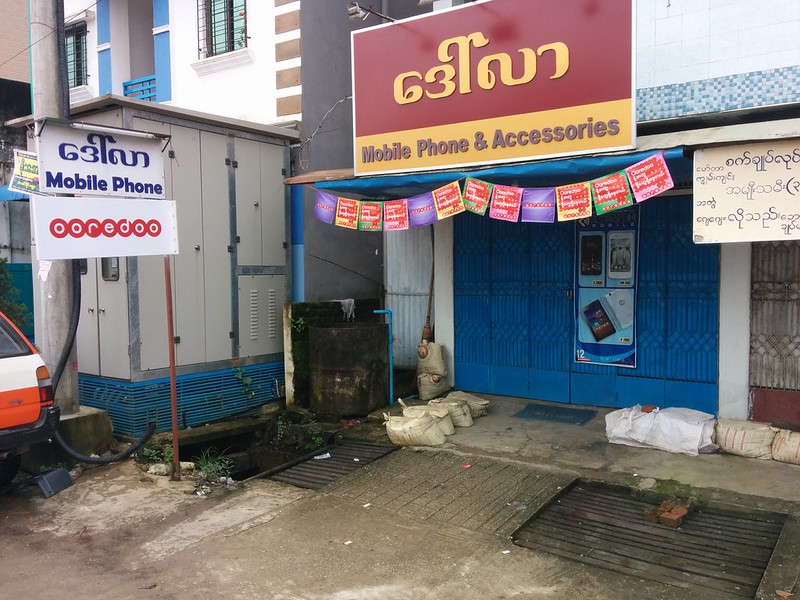
Yangon (AsiaNews) – Myanmar’s military junta has introduced mandatory International Mobile Equipment Identity (IMEI) registration for all mobile phones. Although officially presented as a tax measure, it is in fact another digital surveillance tool, affecting some 55 million people.
The IMEI identifies each mobile phone as if it were a licence plate and is used to recognise devices connecting to a network, even when the SIM card needs to be changed, making it virtually impossible to remain anonymous.
Moreover, with this system, the regime can access SIM card history and the owner's biometric profile, making it possible to locate anyone and monitor their digital activity in real time.
A cybersecurity law came into force last year, outlawing the unauthorised use of VPNs, networks that allow users to bypass censorship, access secure messaging apps like Signal, and access independent news.
The military regime has forced Internet operators left in Myanmar to install Deep Packet Inspection (DPI) systems that analyse data traffic passing through the network and automatically recognise VPN use and identify which SIM cards are trying to circumvent censorship, ultimately identifying single individuals.
During searches at checkpoints, it is commonplace to see phones examined for prohibited applications, such as encrypted messaging tools and VPN software.
The mandatory IMEI registration completes the loop. Any unregistered device can be blocked from local networks, making it impossible to use an alternative phone.
The regime's Person Scrutinization and Monitoring System (PSMS) – which combines the use of artificial intelligence, facial recognition, and telecommunications data – has also made it extremely difficult to protect sources.
The direct connection between hardware and identity will make it nearly impossible to report violence without exposing oneself, which has already led people to self-censor.
Due to the ongoing civil conflict, access to information is essential to receive warnings before airstrikes, ensure the passage of medical supplies to the front lines, and identify safe routes for civilians.
By tracking the devices of those who keep these channels open, the regime is not only repressing dissent but also deliberately undermining the daily survival of citizens.
The technologies underlying IMEI registration, deep packet inspection, and biometric databases largely come from Chinese companies.
International human rights organisations have long called for targeted sanctions against foreign suppliers and intermediaries who enable these surveillance systems, stressing that the international community's inertia directly supports the regime's repression.
Photo: Flickr / Wayan Vota

.png)
12/02/2016 15:14
10/07/2024 17:01










