








Northern Russia's wooden churches
Over the course of nearly twenty years, a project led by Orthodox volunteers has restored more than 200 churches and chapels built entirely of wood in the characteristic style of traditional rural communities. Among them is the Church of the Ascension of the Lord in the village of Pijala in the Arkhangelsk region, founded in 1654 and standing a full 45 metres tall.
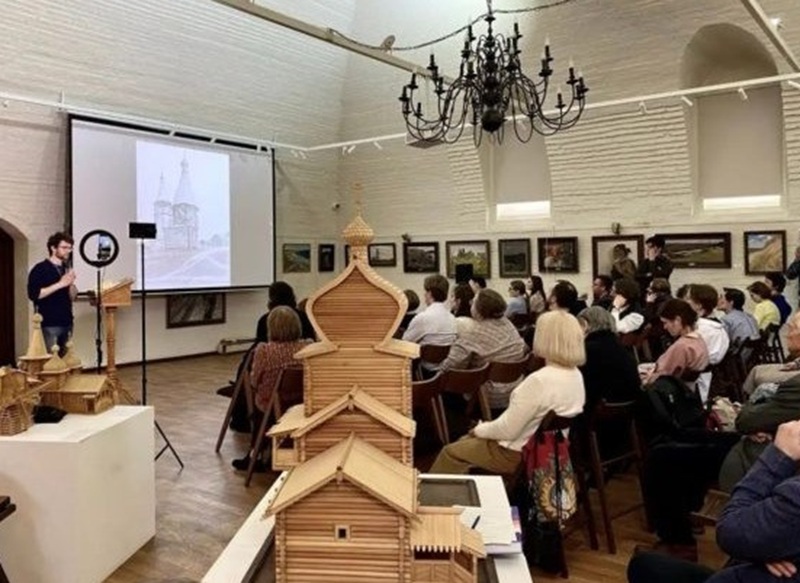
Moscow (AsiaNews) - The 15th conference on “Wooden Architecture: Issues in the Study and Conservation of Monuments” was held in Moscow, attended by numerous specialists and volunteers from various regions of Russia to assess the outcomes of the volunteer project “Joint Endeavour: The Revival of Northern Wooden Churches”.
The meeting was chaired by the project director, Archpriest Alexei Yakovlev, who read out a message of greeting from the Russian Minister of Culture, Olga Lyubimova.
In her message, the minister noted that over 200 churches and chapels of exceptional value have been placed under protection during 19 years of voluntary work: “This is a great success for a social initiative, confirmed by the growing number of participants in the expeditions and the churches assisted, which have been given the chance of a new lease of life, whilst also expanding the scope of expertise.”
The volunteers are in fact trained in joinery, carpentry and the restoration of wooden buildings, and in addition to the undoubtedly important practical work, the project also organises scientific and organisational conferences at national level.
Fr. Aleksej then reported that in 2025, 72 expeditions were carried out, with major restoration work undertaken in 42 churches. Since the project began in 2006, 690 expeditions have been completed, caring for 360 churches and chapels, over 200 of which required general work to protect them from potential ruin and ensure their careful conservation.
Other conference presentations highlighted the unique qualities of these wooden architectural structures, featuring photographs of wooden buildings in the Kostroma region taken in the late 1980s and early 1990s.
The results of the restoration of the wooden structures of the Ostankino Palace were then summarised, and the experience of restoring Russia’s tallest wooden church, the Church of the Ascension of the Lord in the village of Pijala in the Arkhangelsk region (45 metres high, founded in 1654), as well as plans for the restoration of the Church of the Ascension of the Lord in the village of Petrilovo in the Pskov region, the continuation of work on the Church of St Nicholas the Wonderworker in the village of Vezdino (Republic of Komi) and the completion of urgent repairs at the Church of the Intercession of the Holy Mother of God in the village of Sojala in the Arkhangelsk region.
On 10 May, artistic woodcarving courses will begin, marking the start of new expeditions to over 40 sites, again as part of the “Common Work” project supported by the non-profit association Traditsija and the central and local structures of the Russian Orthodox Church.
These will be complemented by courses and seminars on Russian wooden architecture, which dates back to the origins of Kievan Rus’ and was also influenced by the Scandinavian traditions of the Varangians, spreading from the far north to central Russia, as well as to the Urals and Siberia, and as far as Alaska, which was once part of Russia.
The foundations of this ancient building art lie in wooden structures made from unworked logs, featuring wooden carvings on the most important structural elements, which served as decoration.
Among the traditional buildings, wooden churches stand out: those with a basement, tent-roofed, multi-storey, cubic and with multiple domes. These, together with peasant huts, stately homes, farm buildings, fortresses and service structures, defined the appearance of the traditional Russian settlement.

.png)
07/02/2019 17:28










