








Orissa: new trains for the mines, despite protests from tribal communities
The government has given the green light to a railway corridor linking the bauxite deposits at Sijimali and Kutrumali. The decision comes after violent clashes with local communities, who denounce land expropriation, environmental damage and violations of their rights, which are also enshrined in law. The government defends the project in the name of development, but protests against mining expansion have been ongoing for three years.
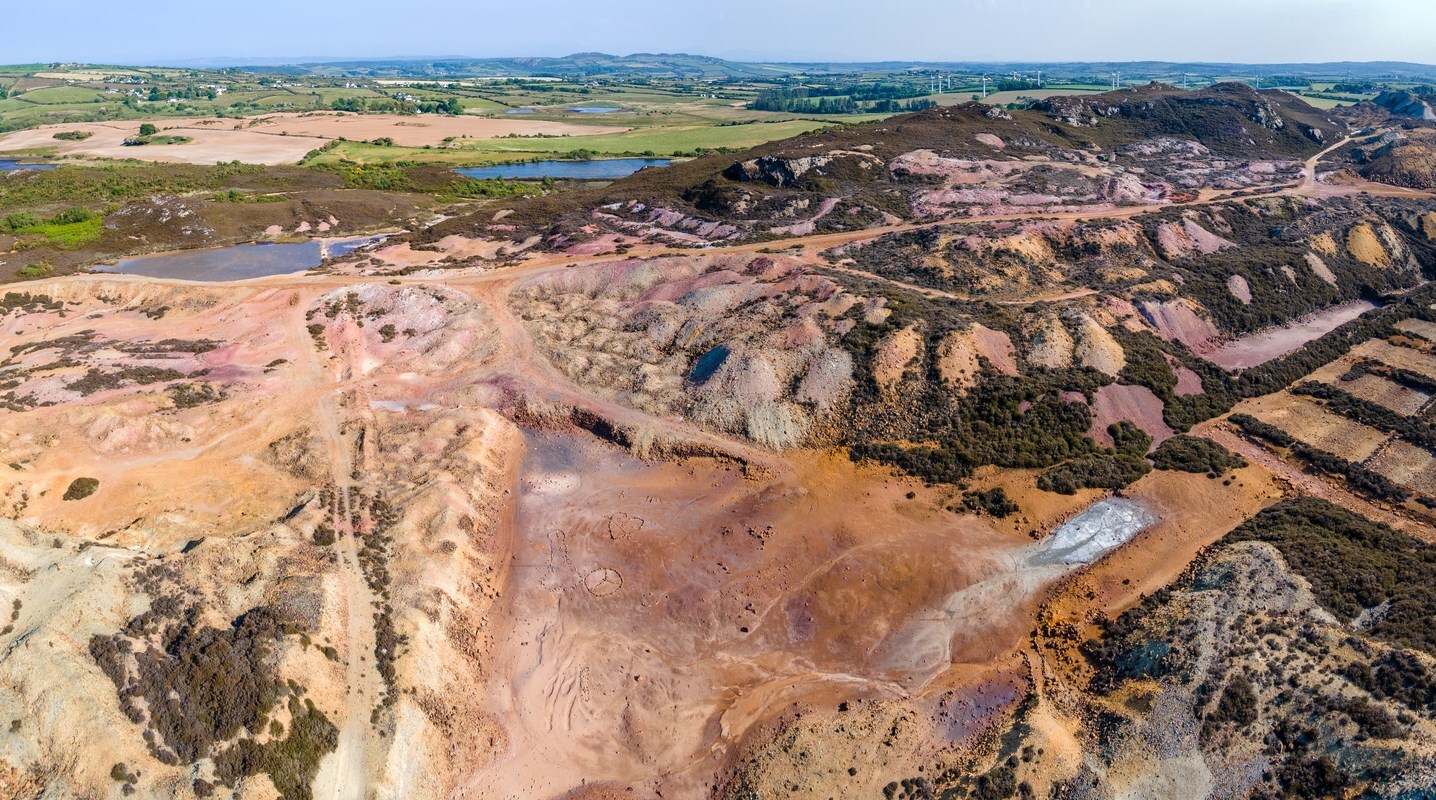
Bhubaneswar (AsiaNews) - Just days after violent clashes between police and tribal communities, which left more than 70 people injured, a railway corridor has been approved to link the Sijimali and Kutrumali mines in the eastern Indian state of Orissa to Tikiri station, with the aim of improving access to bauxite reserves. The costs of the project, which involves the construction of a railway line of approximately 20 kilometres, have not yet been disclosed. According to various sources, the main financiers are the companies that own the mines themselves: Vedanta, which acquired the Sijimali mine in February 2023, and Kalinga Alumina Ltd, a company belonging to the Adani Group, which in turn is close to Indian Prime Minister Narendra Modi.
The Sijimali and Kutrumali mines, situated in the Eastern Ghats mountain range, are located in an area rich in bauxite, characterised by valleys inhabited by various tribal communities. It is precisely these communities, at the forefront, that have so far led a strenuous opposition to the mining projects and the construction of related infrastructure, such as the railway corridor and new access roads. The protests began in 2023 and have effectively continued ever since, leading to the arrest of around 40 protesters to date. According to environmental organisations, the mining projects benefit large corporations, depriving local communities of land and water resources, and further jeopardising their way of life.
The project was confirmed despite violent clashes on 7 April, during which more than 70 people, including some police officers, were injured during a protest against the construction of a road to the Sijimali mine. On the one hand, activist groups denounce the violation of environmental and tribal rights enshrined in the Forest Rights Act 2006; on the other, Orissa’s Chief Minister, Mohan Charan Majhi, argues that the land acquisition is necessary for economic development. To oppose the road’s construction, local leaders have filed a petition with India’s environmental court, the National Green Tribunal (established in 2010), challenging the central government’s approval of deforestation in these areas.
India possesses some of the world’s largest natural reserves of bauxite, concentrated mainly in the eastern states. However, the lack of transport infrastructure, through which raw materials could be moved from remote extraction sites to processing plants, limits the full exploitation of these deposits. Currently, transport takes place mainly by road, with high costs and significant environmental impacts, including increased pollution and the deterioration of infrastructure. According to experts, balanced and sensitive planning is needed, capable of reconciling economic development, environmental protection and the rights of local communities. But events in Orissa seem to suggest that this is yet another case of resource appropriation, an issue that had also been repeatedly denounced by the Jesuit Stan Swamy, who, before dying in a Mumbai prison, had dedicated his life to defending the land rights of indigenous communities.
In India, numerous tribal communities continue to fight for their rights, against mining and the exploitation of their land. In the state of Chhattisgarh, for example, the Gond and Oraon peoples have long been protesting against the expansion of the Adani Group’s coal mines, which are accused of contributing to the deforestation of the Hasdeo forest, nicknamed the ‘lung of Chhattisgarh’. Another well-known case is that of Godda, in the state of Jharkhand, where the local population, having been dispossessed of their ancestral lands, has opposed the construction of the Lalmatia power station, one of Asia’s largest open-cast mining complexes, which is also intended to export energy to Bangladesh.

.png)
07/02/2019 17:28










