Moscow (AsiaNews) - Deputies from the ‘New People’ party have presented a bill to the Moscow Duma to restrict the organisation of prayer rooms in residential and non-residential buildings and to ban liturgical celebrations in private homes, except ‘in cases of satisfying the individual religious needs of people living in such private spaces on legitimate grounds’. Believers and ministers of all religious denominations, starting with the Russian Orthodox Church itself, have declared their opposition to these measures.
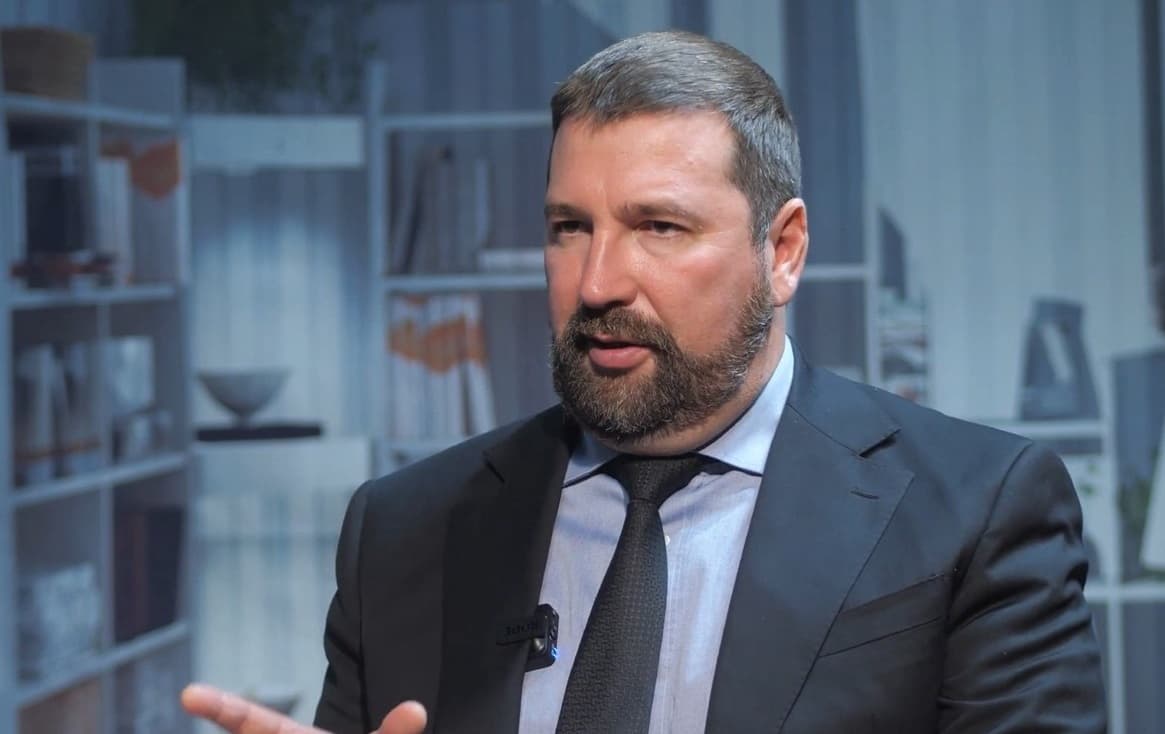
An explicit statement of protest was published in the authoritative newspaper Kommersant by the vice-president of the Euro-Asian division of the Seventh-day Adventist Church - a very active community in Russia - Pastor Oleg Goncharov (pictured). He recalled that in Soviet times, Protestant communities did not have the right to own property, which is why they celebrated their liturgies in private homes and apartments, and ‘this tradition has largely remained current in our time.’
There are numerous Protestant chapels in large apartment buildings throughout Russia, given that in large cities, even if these Christians are duly registered according to the strict procedures of the law on religious denominations, there is no possibility of obtaining land to build their own church, whereas this is often possible in small towns. The pastor therefore asks legislators how to resolve this problem without breaking any rules, given that the ban on praying in homes without possible alternatives ‘creates the conditions for the violation of citizens' fundamental rights to freedom of religious profession’.
Goncharov warns that these conditions open the door to ‘arbitrary interpretations’ of the law, expressing the hope that President Vladimir Putin, ‘as guarantor of the Constitution,’ will not approve the new legislative bill. In fact, the wording proposed in parliament is very broad, not limited to ‘chapels in apartment buildings,’ but would effectively prevent any prayer meetings in private homes.
The pastor hopes that the needs of believers in Russia, a country considered by their co-religionists around the world to be ‘the bastion of traditional religious values,’ will truly be taken into account. Muslims, too, have called on the authorities to ‘avoid any ambiguity on the issue of prayer spaces in homes,’ according to a statement by the Religious Assembly of Muslims of Russia (DSMR), which says that ‘a balance must be ensured between respect for religious traditions and the application of Russian law.’
In Islamic traditions, for example, the ritual of bidding farewell to the deceased is very important. The deceased are wrapped in a shroud in the homes where they lived, with a communal prayer recited by relatives before taking them to the mosque and the cemetery. One wonders how this practice would be interpreted under the new law. Muslims in Russia are convinced that the criteria for the use of private spaces for ritual purposes should be precisely defined in order to avoid possible “unjust and unmotivated” persecution by the civil authorities.
In response to these statements, the vice-chairman of the Duma committee for the development of civil society, Oleg Leonov of “New Men”, noted that the new document represents “a defence of rights in three different dimensions”, first and foremost guaranteeing the peace and security of all residents in their apartment buildings and courtyards, ensuring control over potentially dangerous associations and strengthening the role of legitimate religious centres, which are responsible for the order and integration of believers into Russian society. The deputy speaker of the Duma, Vladislav Davankov, who is from the same party, insists on the need to ‘defend citizens from the misuse of prayer meetings’, which could be used to ‘spread radical ideas hostile to Russia’ or even ‘organise criminal projects’.