








Sarawak: an audio Bible in the language of local communities
The version of Scripture in the Bidayuh language was officially launched in the Archdiocese of Kuching, Malaysian Borneo. This is an important tool for the elderly who lack literacy, but also for young people immersed in digital technology. For Archbishop Simon Poh, it “will help to promote and preserve the language, and in so doing preserve the faith and the cultures.”
_(cropped)_(1).jpg)
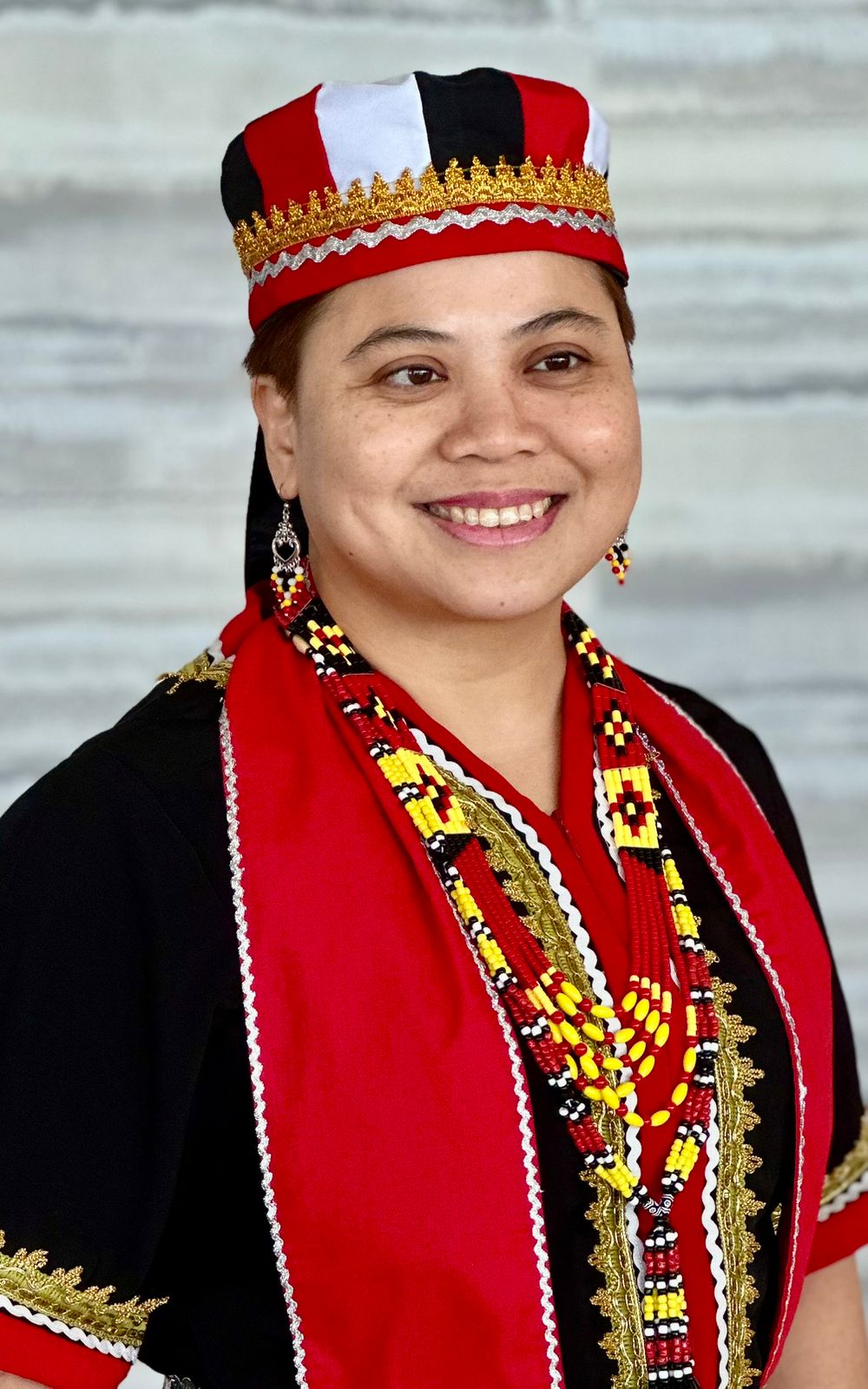
Kuching (AsiaNews) – The Catholic Church in Sarawak has launched an audio version of the Bible in the Bidayuh-Biatah dialect, marking a significant milestone for the Bidayuh community and the wider Church in the state.
The Faith Comes From Hearing Malaysian chapter introduced the Bidayuh-Biatah audio Bible a day after the launch of the Bidayuh-Serian audio version in Serian. The initiative follows the earlier release of the Bau Bidayuh audio and printed Bible in 2020.
For Archbishop Simon Poh of Kuching, the development is more than a technical achievement. Speaking to AsiaNews, he described the audio bible as a pastoral and theological affirmation.
“The Word became flesh and lived among us,” he said, citing John 1:14. “The Word of God in the Bible needs to be in the ‘heart language’, the mother tongue, of the people so that we can encounter our God speaking to our heart and soul.”
He said the project reflects the Catholic Church’s longstanding pastoral approach of respecting and serving communities in their own languages and cultures.
“With the launching of the audio Bible in Bidayuh-Serian and now Bidayuh-Biatah, together with the Bau-Bidayuh audio and printed Bible in 2020, the Word of God has come to make a home in the Bidayuh communities today,” he said.
Language, literacy and access
The Biatah dialect is one of several Bidayuh language variants spoken in Sarawak, particularly in areas around Kuching and Serian. Traditionally oral, it was later transcribed using the Roman alphabet by early Christian missionaries, who translated prayer books and Sunday readings for use in worship.
Archbishop Poh noted that this liturgical use helped preserve the language for nearly a century.
“The Church has always been the custodian of the Bidayuh languages,” he said. “Prayer books and Sunday readings were translated into the Bidayuh languages and used Sunday after Sunday. In effect, the language has been written down and preserved.”
However, literacy remains uneven among older generations in rural areas.
Marilyn Anak Madrod, a Biatah Christian, told AsiaNews that the audio Bible will be especially meaningful for elders like her 84-year-old mother.
“My mother is not literate, but she understands and speaks Bidayuh-Biatah fluently,” she said. “She will be very happy to listen to God’s Word in her own dialect. For people like her, this is not just convenient – it is personal.”
She said hearing Scripture in Biatah allows elderly villagers to connect with the Gospel in a way that written text cannot.
“When you hear it in your own language, it touches the heart differently,” she said. “It feels like God is speaking directly to you.”
Her remarks highlight a practical reality in many indigenous communities: written translations alone do not guarantee access. In predominantly oral cultures, audio Scripture may be more accessible and more natural.
Returning to an oral tradition
Many indigenous communities in Borneo have historically transmitted knowledge, values and beliefs through storytelling rather than written texts.
Archbishop Poh said the audio format reconnects Scripture to that oral heritage.
“The Gospel tells the story of Jesus,” he said. “Especially for the elderly in the villages, they will identify with storytelling, which is part of the oral tradition they grew up with.”
He added that even younger generations, often absorbed in digital media, may benefit from listening.
“For today’s younger generation that is so influenced by media, listening to a captivating story helps them detach from digital gadgets and use their ears, minds and heart to connect to their God who speaks to their inner being in their own heart language,” he said.
Marilyn said the communal aspect is equally important.
“In the village, people still gather,” she said. “Families can sit together and listen. In the longhouse, it can be played for everyone. It brings people together.”
Audio Scripture initiatives have expanded globally in recent years, particularly in regions where literacy levels vary or where oral culture remains strong. In Sarawak, where longhouses remain central to community life, communal listening may deepen both faith and language use.
Preserving faith and culture
Sarawak’s indigenous languages face increasing pressure from urban migration, national-language dominance, and the influence of global media. Younger generations often grow up speaking Bahasa Malaysia and English more fluently than their ancestral dialects.
Archbishop Poh said the audio Bible will help preserve both faith and culture.
“The audio Bible will help to promote and preserve the language, and in so doing preserve the faith and the cultures,” he said.
Marilyn agreed, saying the project sends an important message to younger Bidayuh-Biatah Christians.
“When our language carries the Gospel, it shows that our culture has value,” she said. “It is not something backward. It is something worthy.”
The launch of the Biatah audio Bible represents more than translation. It signals an effort to ensure that indigenous Catholics and other Christians encounter Scripture in the language of daily life – especially those who cannot read, but who can listen.
For many elderly villagers, it may be the first time they hear extended passages of the Bible proclaimed entirely in the rhythm and vocabulary of their ancestral speech.
In a region where language, land and faith remain deeply intertwined, that development carries significance beyond the launch ceremony.
As Archbishop Poh suggested, the aim is not only understanding, but encounter — a moment when a listener might recognise the voice of Scripture and say, in their own dialect, that God speaks their language.
ECCLESIA IN ASIA IS THE ASIANEWS NEWSLETTER DEDICATED TO CHRISTIAN COMMUNITIES IN ASIA. WOULD YOU LIKE TO RECEIVE IT EVERY SUNDAY? TO SUBSCRIBE, CLICK HERE.

.png)
10/06/2024 16:21
01/07/2024 15:50
25/05/2016 17:44
25/03/2022 18:08










