








Security Threats at the CIS Borders
In Tajikistan, a summit of border agency heads from the Commonwealth of Independent States (CIS) addressed the repercussions of instability in Afghanistan. Cooperation has been strengthened to combat infiltration by terrorist and extremist groups of an Islamic fundamentalist nature.
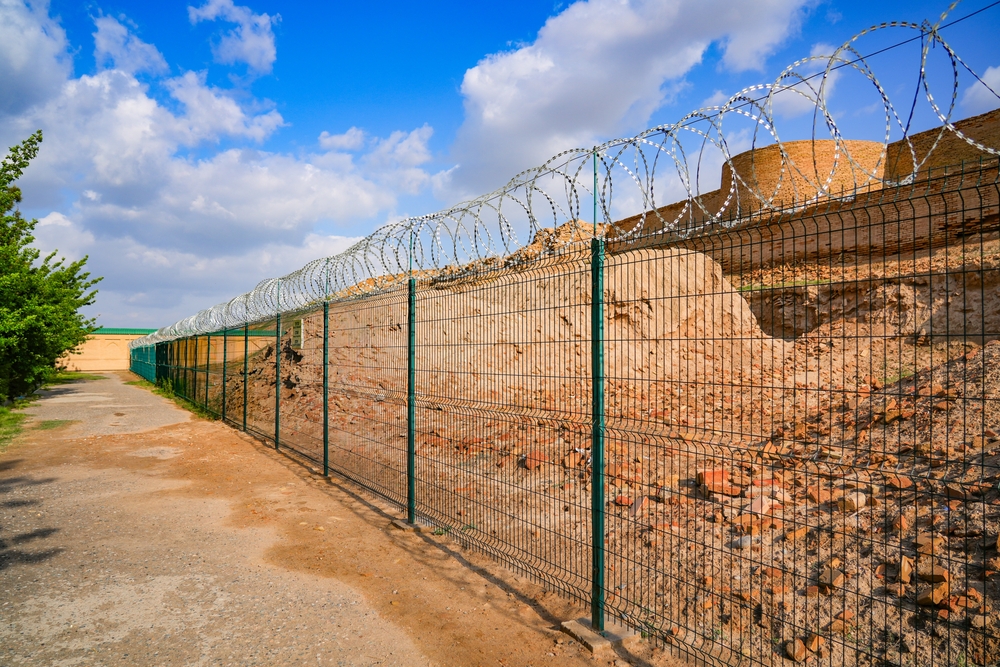
Moscow (AsiaNews) - In addition to the consequences of the conflict in the Middle East, political-military and economic instability in Afghanistan is a cause for concern, and border agency heads from the Commonwealth of Independent States (CIS) countries gathered in the city of Guliston in the Sogd region, in southern Tajikistan, to assess border security threats across the region in the short and medium term.
The meeting was opened by General Mirodali Radžabzoda, first vice-chairman and commander of the border troops of Tajikistan’s State Committee for National Security. Army General Vladimir Kulishov, Chairman of the Council of Border Troop Commanders and Head of the Border Service of the Russian Federation, was elected chairman of the meeting. Akhmadzoda Rajab, Governor of the Sogd Region, delivered a welcoming address to the participants.
Delegations from Tajikistan, Uzbekistan, Kazakhstan, Kyrgyzstan, Russia, and Belarus were present, as well as members of the Eurasian military alliance CSTO and the leadership of the CIS itself. All emphasized the importance of addressing these issues through active cooperation, without leaving individual states at the mercy of uncertainties and pressures, particularly those stemming from Afghanistan.
In the Islamic Emirate, interethnic tensions and internal political and socio-economic crises are worsening; drug production remains a problem; the armed conflict between the government and opposition forces continues; and terrorist and extremist groups have intensified their activities. The combination of these factors is leading to a further deterioration of the military and political situation and to the spillover of the crisis into neighboring Central Asian states.
The International Monetary Fund, the World Bank, as well as the United States and its allies, continue to prevent the Taliban from accessing the resources accumulated by the previous republican government (approximately .5 billion), freezing them indefinitely in accounts at subordinate banks. Due to the lack of external credit sources, the Afghan banking system is paralyzed. The withdrawal of foreign companies has disrupted trade ties, logistics, and supply chains, triggering rising inflation and food shortages. Imports of industrial goods, fuel, and pharmaceuticals remain at critical levels, and prices for basic necessities are constantly rising.
A Program for Cooperation and Border Security Enhancement for the five-year period 2026–2030 has therefore been approved, a mechanism for the practical implementation of policies applied by participating states in a coordinated manner. This is supplemented by measures from another program already approved in 2024, aimed at cooperation in the fight against organized crime, and by the program to combat terrorism and extremism for the years 2026–2028.
The meeting participants particularly appreciated the inclusion of border affairs specialists in the various projects, as well as participation in international scientific forums dedicated to the exchange of experiences on the preventive countering of contemporary threats to security and living conditions in border areas. At the conclusion of the meeting, several executive measures were approved to support the stability of the CIS’s external borders. At the end of the meeting, the visiting delegations toured an exhibition of folk crafts, national cuisine, and the national culture of the Tajik people in the city of Guliston.

.png)
02/09/2021 09:57
11/09/2021 09:41
25/07/2025 12:23










