








Tamils and Sinhalese celebrate New Year together in Maliboda
For the first time, tea estate workers mark the event together at the local church, a sign of unity and dialogue between different communities in a wounded land. “Those who love freedom, those who live in freedom, do not trap anyone,” said For Father Jeevantha. The new year will hopefully open a path based on love, unity, and justice.
Colombo (AsiaNews) – In Maliboda, a village in Ratnapura district, this year’s Sinhalese and Tamil New Year celebration on 14 April took on special significance, becoming a symbol of unity and dialogue between different communities.
For the first time, the event actively involved not only the Tamil population, traditionally linked to the Thai Pongal and Christmas festivities, but also Sinhalese Buddhist villagers.
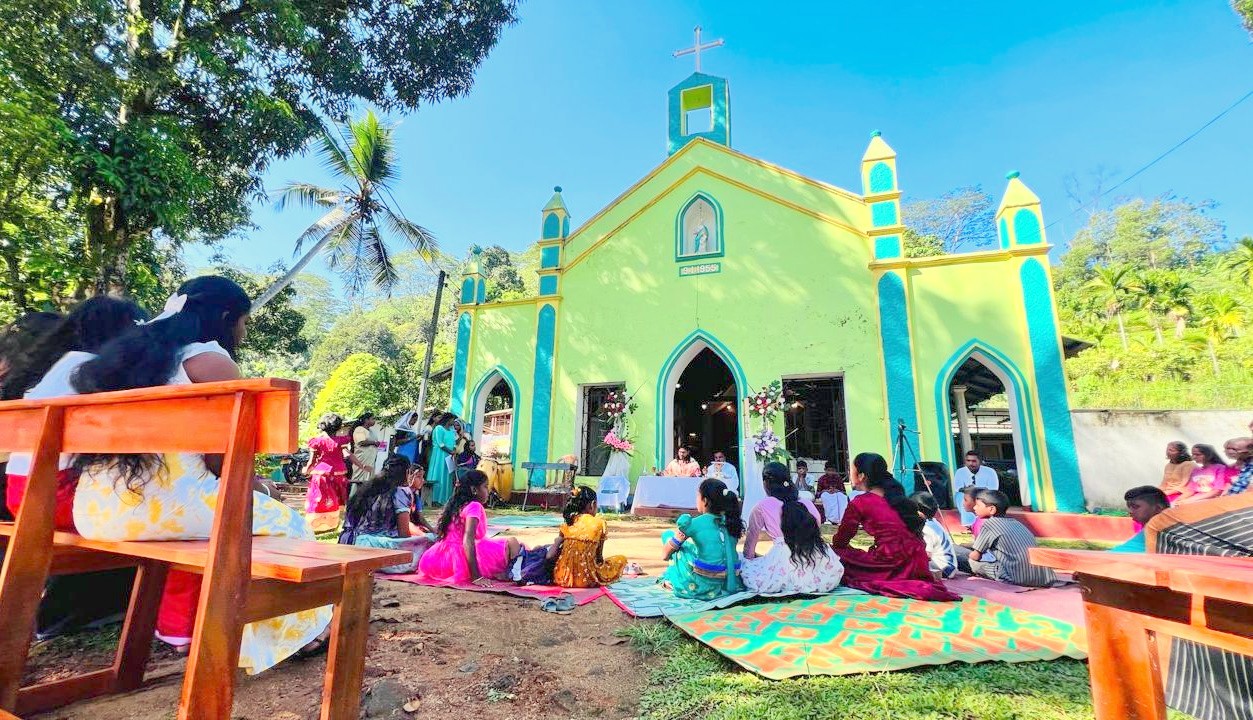
The celebration was held at St Anne's Church organised by the Tamil Christian and Hindu communities, with the support of the local clergy.
The opening ceremony was a religious and cultural service celebrated in both Tamil and Sinhalese, led by the parish priest, Father Amila Jeevantha, and an assistant.
During the service, participants prayed that the new year may see the rise of a more inclusive human society, respectful of all diversity.
In his address, Father Jeevantha used the metaphor of the wind to explain the value of freedom and coexistence.
“The message that Jesus gives us through the wind in this Sinhala-Tamil New Year is that those who love are free,” like the wind, the clergyman said. “Those who love freedom, those who live in freedom, do not trap anyone. They give strength to others. Those who experience freedom are always renewed. Being renewed means being able to let go of the old things in life."
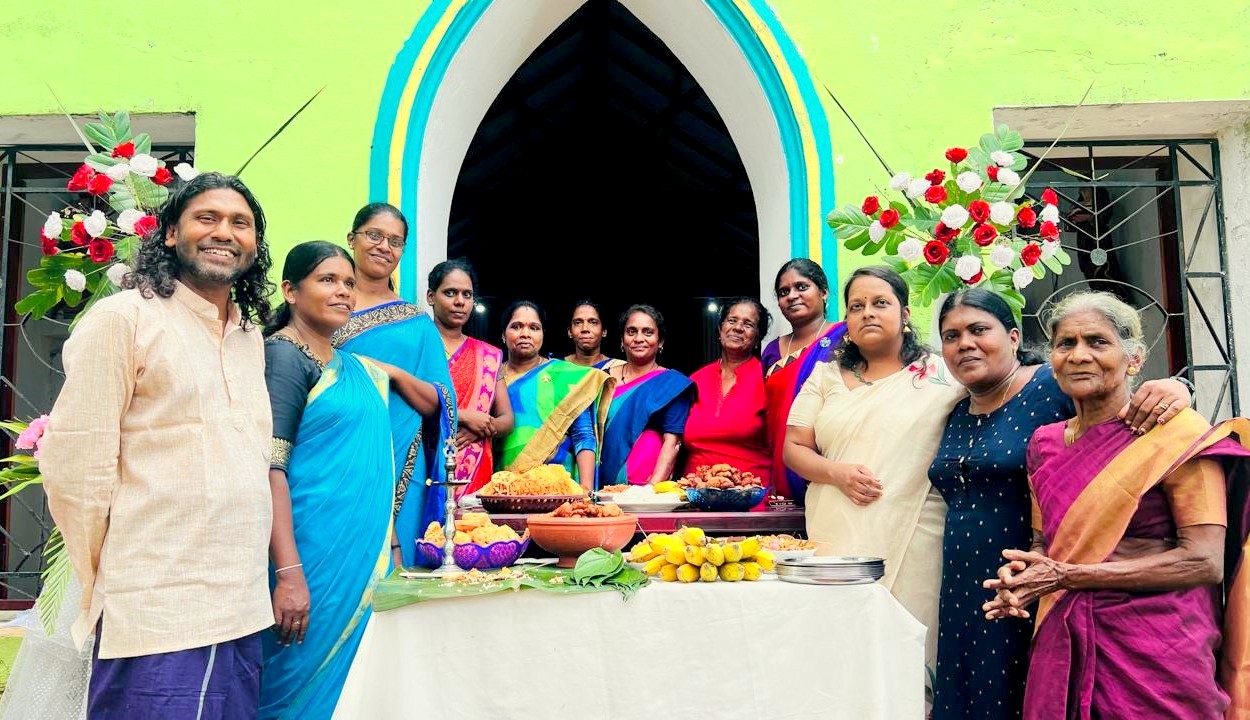
Traditional New Year rituals, such as boiling milk and lighting fireworks, are symbols of this renewal, marking the end of the old and the beginning of a new based on love, unity, and justice.
The priest invited all present to reflect on the possibility of building relationships without ethnic or linguistic discrimination, sharing love and solidarity with everyone.
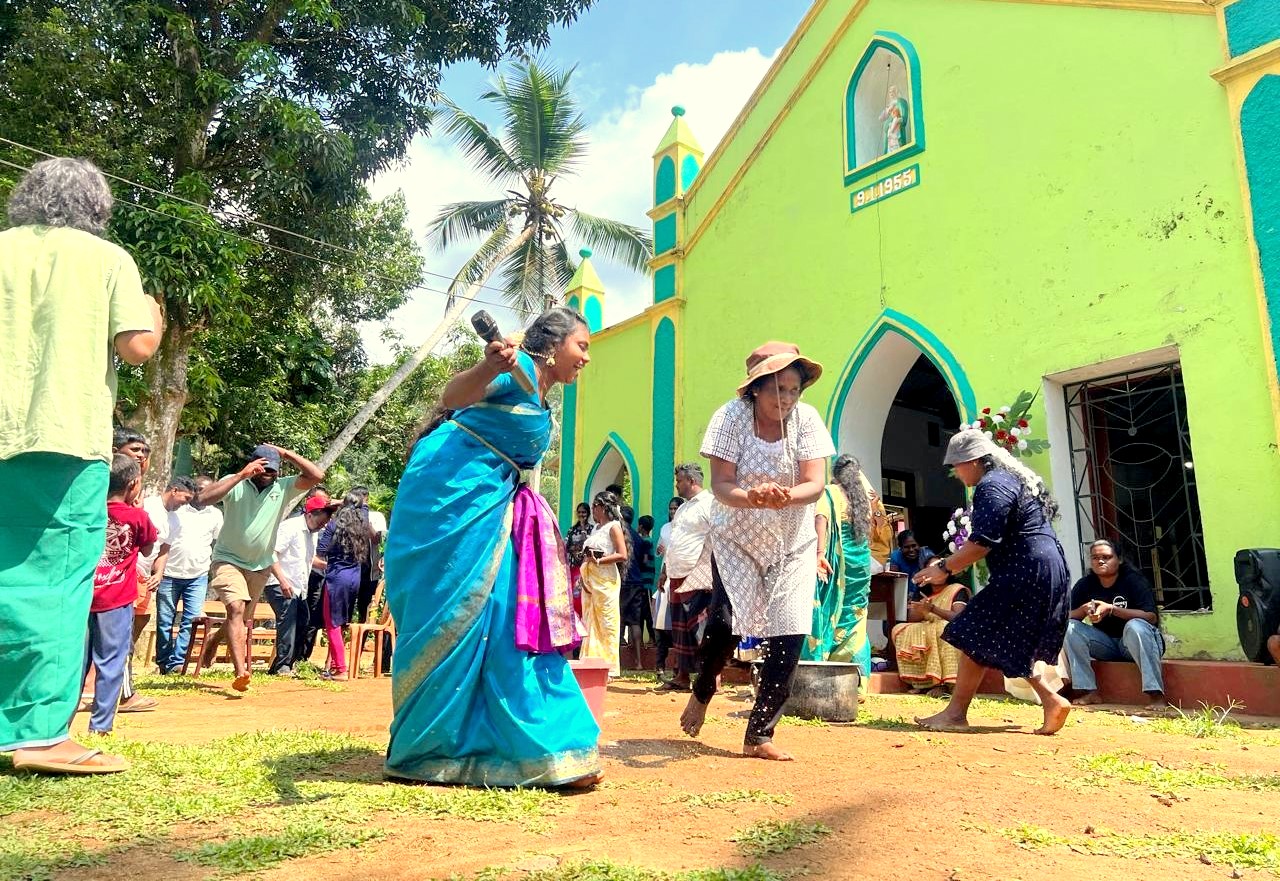
Celebrations continued after the religious service, with traditional activities and popular games that are typical of Sinhalese and Tamil cultures.
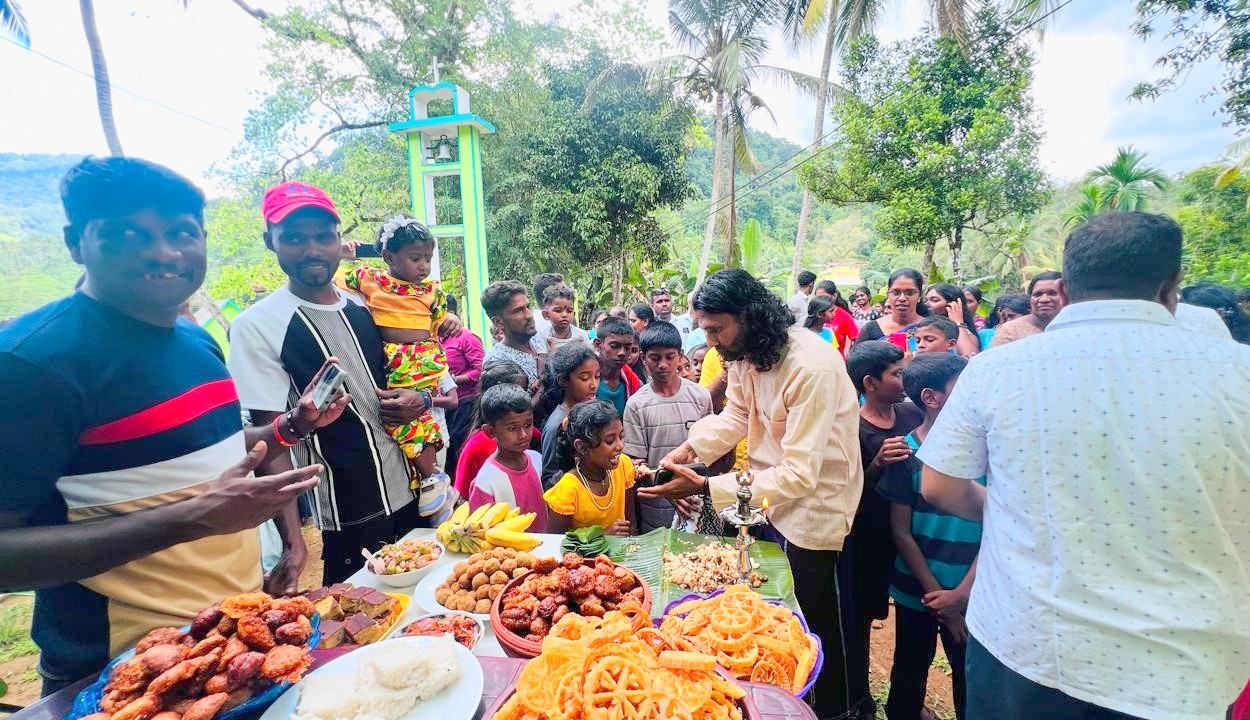
Villagers, of all ages, joined in enthusiastically, sharing meals prepared for this auspicious time and exchanging sweets and gifts.
According to village youth, this celebration represented a new and meaningful experience, capable of bringing “new light" into their lives. The participation of Sinhalese Buddhists was especially welcomed with great joy, strengthening the sense of community.
Maliboda, home mostly to Tamil tea estate workers, offered a concrete example of harmonious coexistence, proof of how cultural traditions can become a bridge between different identities.

.png)
24/01/2007










