





-65512.html&is_video=&description=Thailand%E2%80%99s+constitutional+reform+process+to+begin+%28very+slowly%29)


Thailand’s constitutional reform process to begin (very slowly)
Three and a half months after the referendum that opened the way for constitutional reform, the government of Anutin Charnvirakul has presented a proposal that risks pushing the process back to square one, making the path towards a more representative Constitution uncertain.
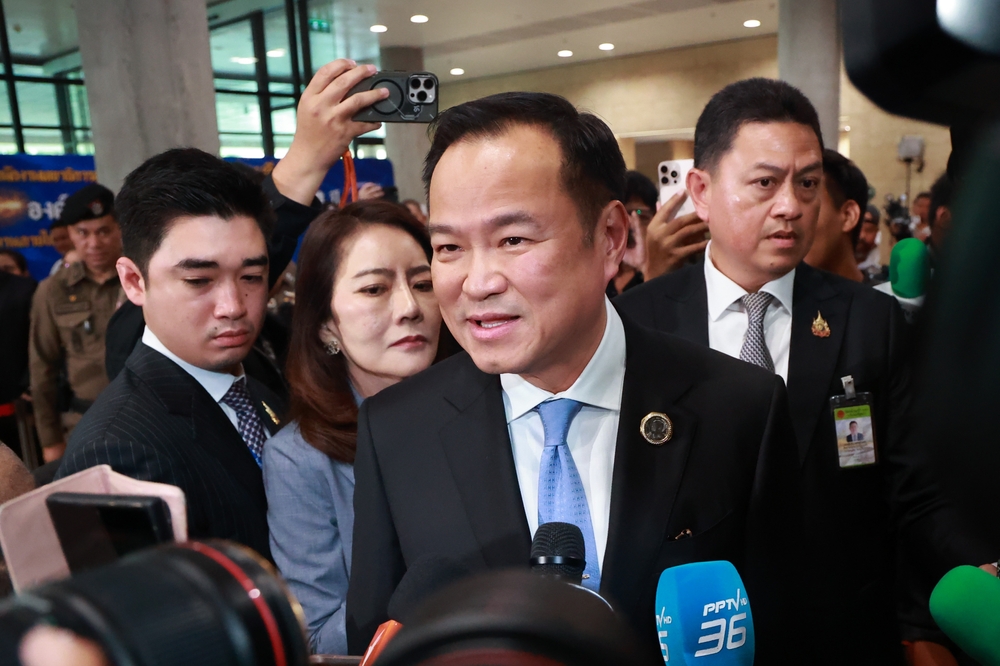
Bangkok (AsiaNews) – Three and a half months after the 8 February referendum, when 21 million voters approved the start of a process of constitutional reform along with the renewal of the House of Representatives, the process of revising Thailand’s constitution finally seems to be moving forward. But the direction remains uncertain and potentially regressive.
After months of delays and in a climate of growing divergence from its original popular mandate, the ruling party presented a proposal on 20 May that risks, however, of pushing the reform process back to square one.
The referendum had expressed clear support for the revision of the 2017 Constitution, seen as heavily biased in favour of the military establishment and political elites.
The new coalition government led by Prime Minister Anutin Charnvirakul's Bhumjaithai Party had among its stated objectives a more participatory and representative process of constitutional revision. However, the proposed reform now appears to walk back on that pledge.
The main issue remains the role of the unelected Senate, which is traditionally close to the military establishment, particularly in relation to constitutional review.
The previous attempt to amend Article 256, which was intended to limit the upper house’s influence, stalled with the fall of the previous government and the subsequent transfer of power to Anutin, who was tasked with steering the country towards early elections.
The new proposal, called Chapter 15/1, introduces a different mechanism, with the creation of an ad hoc body, the Constitution Drafting Assembly (CDA), charged with the reform.
At first glance, this appears to jumpstart the constitutional process, but for several observers, it risks setting the clock back to the starting point, disengaged from the will expressed in the referendum.
The CDA would consist of 100 members: 77 chosen jointly by both houses of parliament and 23 experts.
The model is similar to the one that led to the 1997 constitution, deemed one of the most advanced in recent Thai history in terms of democratic guarantees, yet under the strong influence by political elites.
According to the proposal, the CDA should start in June and complete its work within 360 days, a long period justified by the need to ensure public participation and consultation.
To carry out the charter rewrite, a 45-member Constitution Drafting Committee (CDC) would be tasked with working on the text and organise periodic hearings.
The main opposition party, the People's Party, which had won broad popular support in the February elections but failed to form a government, has announced an alternative amendment proposal aimed at strengthening public participation, preventing a single political bloc from controlling the drafting process, and reducing the Senate's role to merely approving constitutional changes.

.png)










