








The advantages for Moscow's economy of the conflict in Iran
Back in the 1970s, it was the oil crisis that paved the way for cooperation between Europe and the Soviet Union. With the closure of the Strait of Hormuz, Russia can now reduce discounts on the price of its crude oil. Although Brussels, at least for the moment, does not seem willing to ease restrictions on gas imports.
Moscow (AsiaNews) - An article in the authoritative Russian newspaper Kommersant sought to analyze the possible consequences of military conflict in the Middle East for the Russian economy. The closure of the Strait of Hormuz immediately caused oil prices to rise, increasing demand from China and India, the latter at least temporarily relieved from US sanctions against the import of crude oil from Russia. Grain exports can also reap great logistical benefits compared to European competitors, as can the aluminum producer Rusal and fertilizer companies, which continue to enjoy global price growth, even if there are significant risks of increased maritime transport costs.
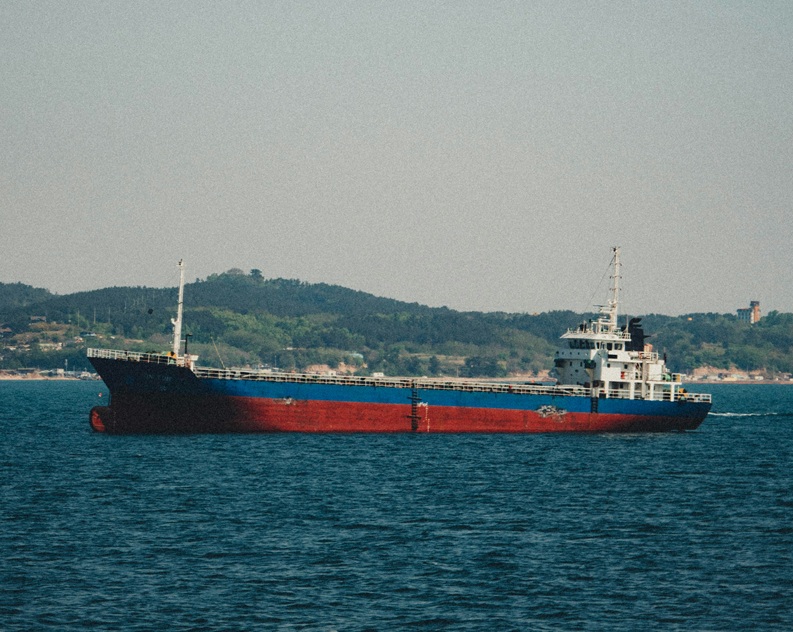
As analysts at Kpler and S&P Global Commodities at Sea (Cas) note, an average of seven ships per day now pass through the Strait of Hormuz, compared to 135 in February. Natalia Porokhova, general manager of Zzi price indices, believes that geopolitical instability in the Middle East historically leads to radical changes in the global energy market, recalling the crises of the 1970s that led to cooperation in this area between Europe and the USSR. In her opinion, Europe is now increasingly turning to US energy resources, while for Asian countries, deliveries from Russia are growing in importance.
Russian investors confirm this optimism: on March 2, the Moscow Stock Exchange's Imoex2 index rose by 2,851 points, its highest level since September 2025, with Tatneft, Russneft, and Rosneft shares rising by 11-17% and Novatek by 7.6%. As Igor Kozak, director of Tvk Investment Partners, says, “for the first time in a year and a half, the market has received a catalyst capable of revaluing oil companies.” For Oleg Abelev, head of the analytical department at Rikom-Trust, speculative factors still prevail in the market, but there are now concrete hopes that the Russian energy sector could become one of the main beneficiaries of the conflict.
The optimistic forecasts for the Russians are already beginning to come true, as reported by Argus, with the discount for Urals oil already falling from per barrel to .5-10, with growing interest from Indian companies. On March 5, two 1.4 million-barrel tankers heading for East Asia changed course to India, which normally receives more than half of its oil imports through the Strait of Hormuz from Iraq, Saudi Arabia, the United Arab Emirates, Kuwait, and Qatar. The former CEO of India's Nayara Energy, linked to Russia's Rosneft, Balasundaram Anand, commented that in light of the ongoing conflict, “India will purchase Russian oil in any form that is offered.”
In Europe, the gas crisis is particularly sensitive in the current circumstances, considering the cessation of imports from Russia starting in 2022, which has effectively doubled the price of gas on the European market. Now we are seeing a further increase due to the interruption of liquefied natural gas production at the Ras-Laffan plant in Qatar, the world's main source of exports, in addition to the blockade of Hormuz. However, no increase in Russian deliveries via pipelines is expected, as new European regulations for the sector will come into force on March 18, further limiting flows from Russia with additional agreements at European customs. Kremlin spokesman Dmitry Peskov said that European countries have not asked to renew or increase gas and oil deliveries against the backdrop of the conflict in the Middle East.
Much remains to be assessed depending on the duration of US and Israeli military action and Iran's response, considering that all this is also causing the tourism market to collapse and raising many other questions about various economic factors. Certainly, the oil market is crucial for Russia, given the need to strengthen the army's capabilities in the war with Ukraine, and the advantages from the Middle East are solving many problems for Vladimir Putin.

.png)










