








The government and Hezbollah clash after Lebanon is dragged into war
The Lebanese government has outlawed the armed activities of the pro-Iranian party. A rift has emerged in the relationship between Hezbollah and the Shia Amal movement, which endorses the government's resolution. The Jewish state is hitting Lebanese territory hard again, putting pressure on the “buffer zone”. US mediation has "saved" the airport, which remains open. Hundreds of thousands of displaced people crowd the streets.

Beirut (AsiaNews) – A reckless act by Hezbollah, a completely unprovoked attack with six rockets and eight drones into northern Israel on Saturday night, has plunged Lebanon back into open war with the Jewish state.
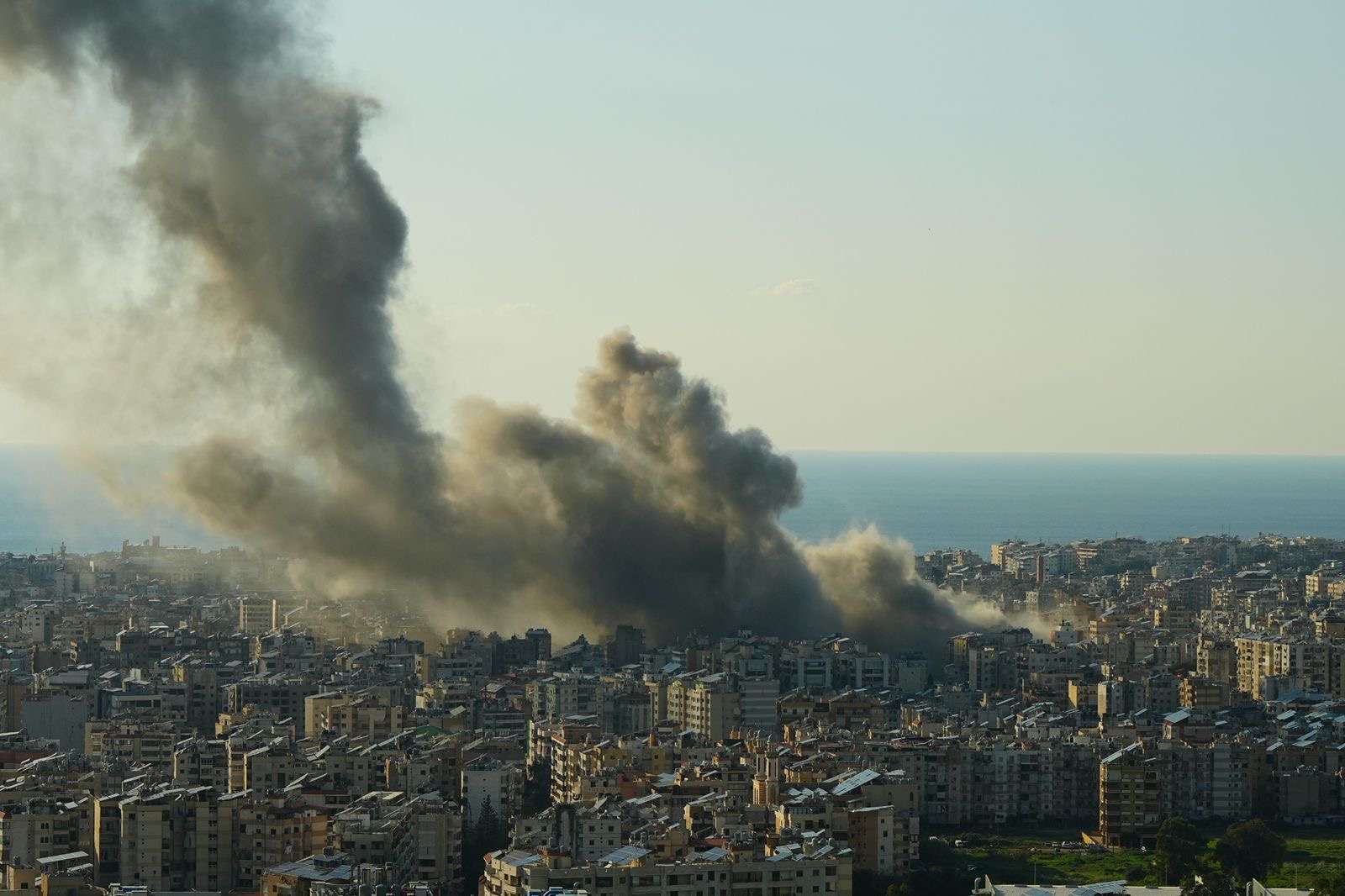
These attacks triggered retaliatory strikes against Beirut, southern Lebanon, and the Bekaa Valley. According to an initial official count, 51 people are dead and dozens wounded. One of the dead was Hezbollah's intelligence chief.
Worse of all, these exchanges gave Israel the pretext to reinforce its ground deployment in southern Lebanon “at several strategic points”, forcing the Lebanese army to pull back from several positions to avoid any direct contact with Israeli forces.
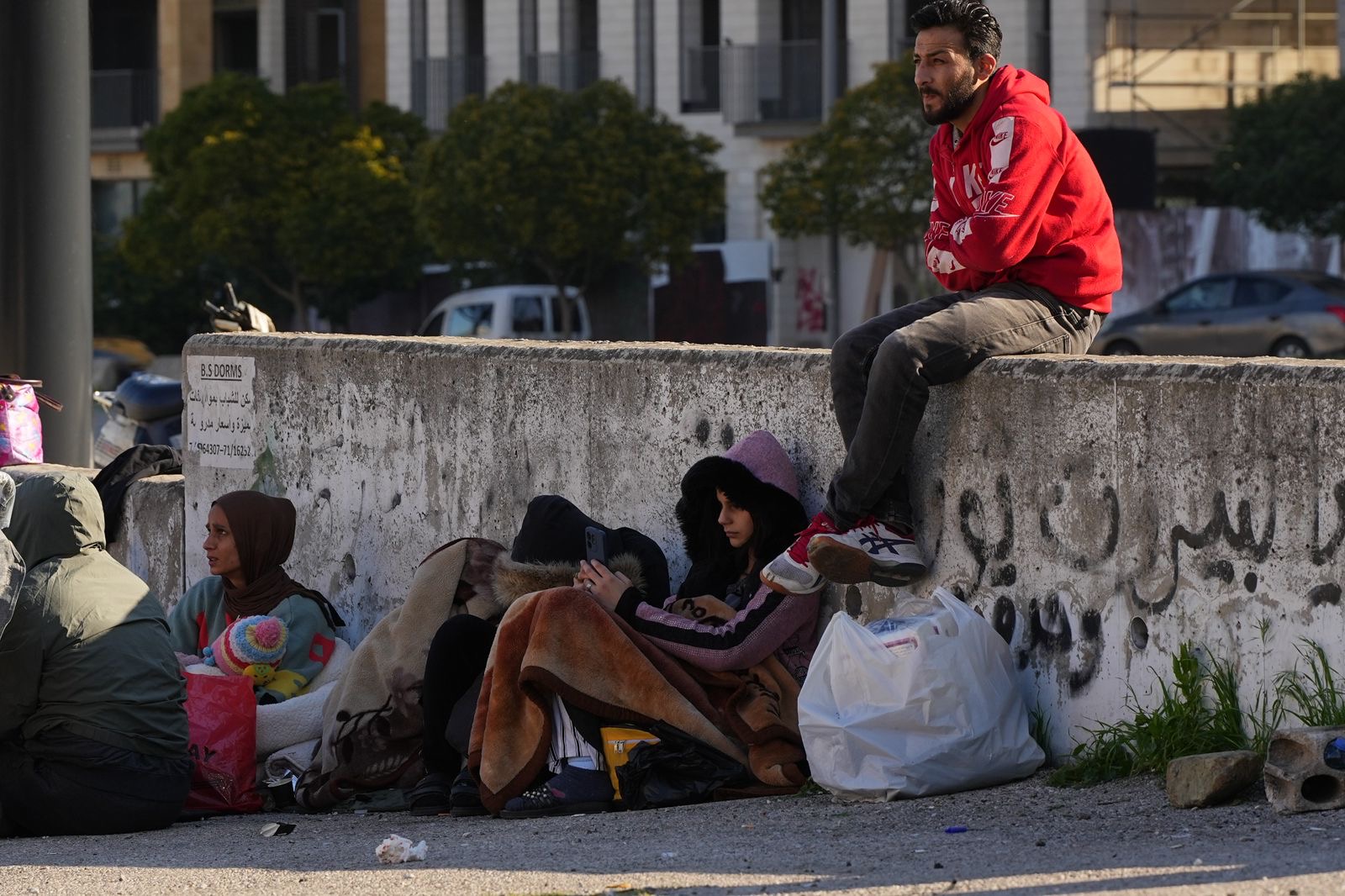
With war making a comeback, hundreds of thousands of Lebanese have been forced to flee, ordered by Israel in the middle of the night to evacuate 53 villages in southern Lebanon and the Bekaa Valley. In this part of the country, Israeli planes relentlessly targeted Hezbollah's "bank" (Qardh al-hasan), destroying some 25 branches of this parallel banking network.
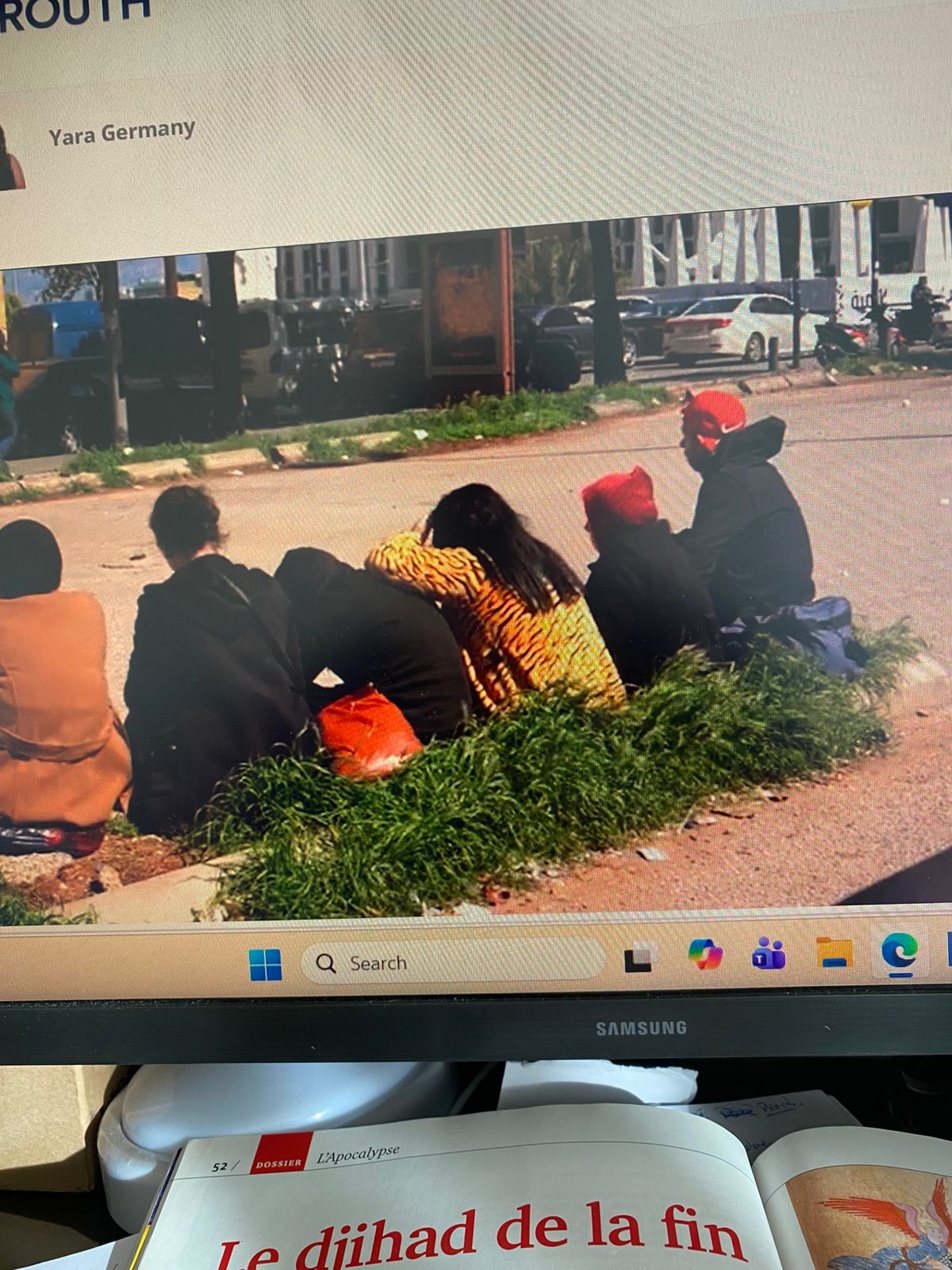
The population's fear was compounded by the ordeal of the coastal highway's gridlock. After leaving their homes around 2:30 am, thousands of families arrived in the early morning in the capital's public areas, particularly Martyrs' Square, sleeping outdoors or in their cars, awaiting government assistance and temporary accommodation in public schools and religious communities.
Fortunately, the gruelling exodus took place under a blue sky, but it was bitterly cold. However, the mass flight is raising fears of a permanent demographic shift in the Lebanese population.
The new phase in this war resembles a remake of the exodus that followed the start of fighting in September 2024, characterised by the explosion of pagers and the elimination of the then secretary general of the pro-Iranian movement, Hassan Nasrallah.
The Elimination of Ali Khamenei
This time, the elimination of the Supreme Leader of Iran’s Islamic Revolution, Ayatollah Ali Khamenei, triggered the catastrophe. “The order to go to war against Israel came from Iran,” said Druze leader Walid Jumblatt.
In fact, Hezbollah’s secretary general had advocated caution, while Israel had announced that it would not attack Lebanon unless it was attacked first. Ultimately, Wali al-Fakih utter political and religious allegiance to Iran prevailed, driving Lebanon back to square one.
“Hezbollah is currently divided between two main factions, one of which is directly linked to the Iranian Revolutionary Guard,” this according to analyst Scarlett Haddad. “This group is believed to have made the decision to take action by launching a barrage of rockets and drones at northern Israel, without waiting for the final decision from the party leadership.”
To save face and avoid showing its divisions, the party ultimately yielded to the fait accompli and claimed responsibility for the operations, the analyst explains.
Since Sunday, more rocket attacks on northern Israel and new Israeli airstrikes have been reported, the latest this morning in the southern suburbs of the capital, where a building was razed. Similarly, according to AFP, in Cyprus it is believed that the drones directed at UK military base on the island originated from Lebanon.
Emergency cabinet meeting
Recognising the extreme gravity of the situation, Lebanese President Joseph Aoun held an emergency cabinet meeting yesterday morning. After five hours of heated debate with the two ministers representing Hezbollah, the government finally decided to "deem Hezbollah's security and military activities illegal" and to order the army to ban them "without delay," particularly north of the Litani River.
The reason: Hezbollah's violation of the Taif Agreement and government resolutions stipulating the dissolution of militias and the concentration of armed forces solely in the hands of the Lebanese state.
Michel Touma, director of the Levant-Time website, hailed the decision as “a major turning point in Lebanon's political history”, which marks a break in the relationship between Hezbollah and the Amal Movement, whose ministers voted in favour of outlawing the security and armed activities of the pro-Iranian party.
Thanks to contacts with the US ambassador to Lebanon, Michel Issa, who is of Lebanese origin, the government's decision, deemed "courageous”, secured a US commitment that Lebanon's civilian infrastructure would not be targeted. As a result, Beirut's international airport remained open.
At the same time, the government decided that Lebanon would not respond militarily to Israeli aggression, but would only go through diplomatic channels, declaring itself ready to resume discussions within the monitoring commission established on 27 November 2024, whose meetings are currently suspended.
This decision was made even though the Commander of the Lebanese Armed Forces, General Rodolphe Haykal, who attended the cabinet meeting, had outlined a possible Plan B: a potential military response to Israeli aggression. However, this option was quickly dismissed as "suicidal" by Prime Minister Nawaf Salam.
Meanwhile, the Lebanese Armed Forces received orders to crack down on Hezbollah north of the Litani River, and letters rogatory were issued against certain security and military officials identified as having made the decision to attack Israel.
Close to the Iranian people
Earlier, the president issued a statement, offering condolences to Iranian victims of Israeli bombings, deliberately ignoring any expression of sorrow for the elimination of Iran’s Supreme Leader.
Michel Helou, a leader of the National Bloc, on MTV called for Hezbollah leaders to be prosecuted and arrested “for high treason”.
In any case, Lebanon fears that the Israeli military will take advantage of renewed hostilities to launch a new ground operation against Lebanon. This concern is heightened by Tel Aviv’s decision to recall 100,000 reservists.
According to Pedro Ghanem, Washington correspondent for Al-Jadid television, Benyamin Netanyahu has reportedly obtained President Trump's approval for the "expansion" of the de facto buffer zone set up on the Lebanese border, an area where some twenty villages have already been razed and whose reconstruction is preventing through warning shots.
On the Lebanese side, evacuation orders for in villages in southern Lebanon located far from the border remain unexplained. For thousands of students from southern villages, as well as for those from public schools converted into shelters, the 2025-2026 school year risks being jeopardised if this war continues.
GATEWAY TO THE EAST IS THE ASIANEWS NEWSLETTER DEDICATED TO THE MIDDLE EAST. WOULD YOU LIKE TO RECEIVE IT EVERY TUESDAY? TO SUBSCRIBE, CLICK HERE.

.png)
04/01/2023 13:51
02/02/2022 15:35










