








The war in Iran as seen from Dushanbe
Tajikistan, a country with close ties to Tehran due to shared ethnic origins, views the conflict in the Middle East with concern. Local experts believe it will not be resolved by bombs and missiles, but will drag on for a long time on the ground.
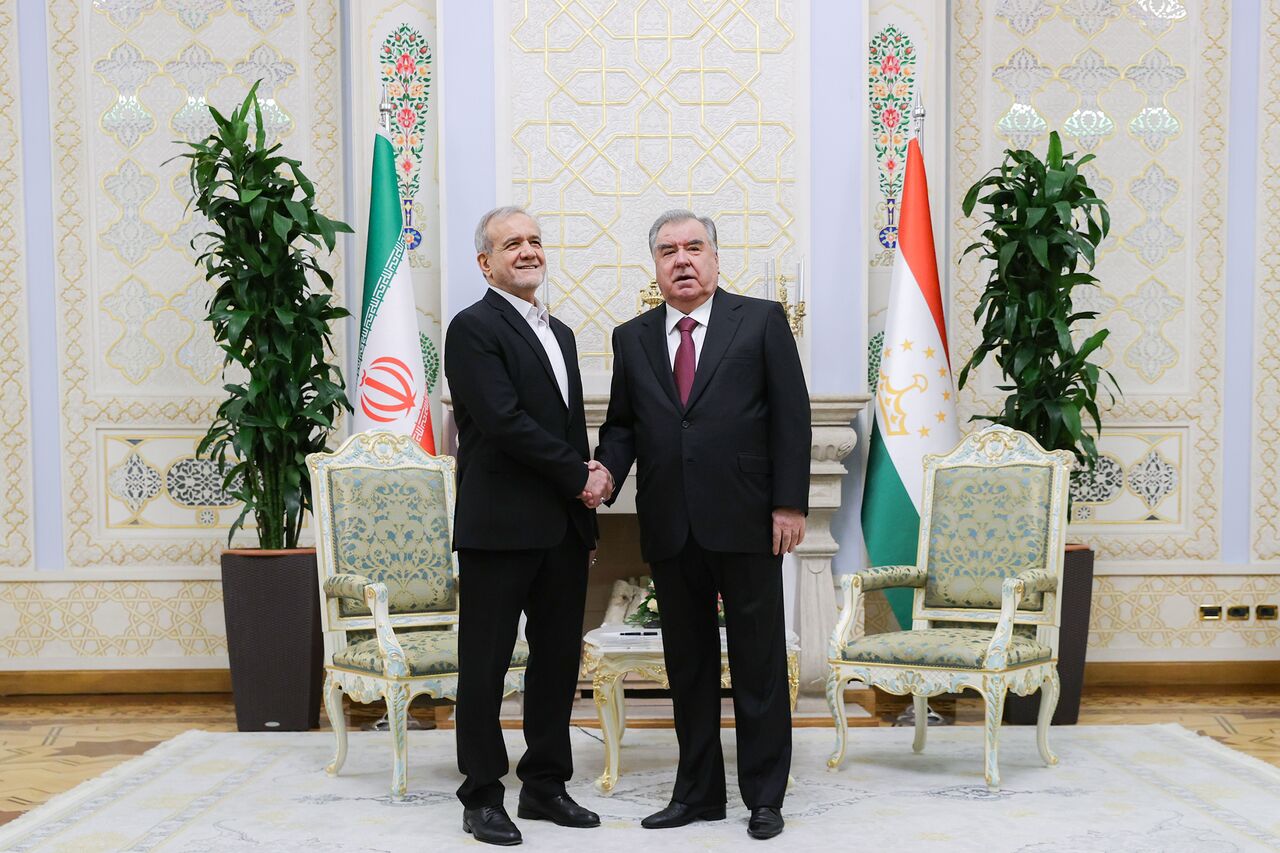
Dushanbe (AsiaNews) - Tajik experts believe that the US and Israeli war against Iran – a country with which the Tajiks share close ties due to their Persian ethnic heritage – will not be resolved by bombs and missiles, but will drag on for a long time on the ground. The killing of many Iranian leaders, starting with Ayatollah Khamenei, is not enough to bring down the regime in Tehran, which is preparing for a protracted war.
As is well known, the justification for the war put forward by the Americans and Israelis concerns Iran’s rejection of the agreement to shut down its nuclear programme, and it is claimed that without the attacks of recent days, Iran would soon have acquired the capability to use nuclear weapons.
These claims appear contradictory in light of last year’s ‘12-day war’, when the US had declared that the strikes carried out at that time had deprived Tehran of the ability to assemble nuclear weapons.
The Iranians, on the other hand, claim that it was the Americans who resorted to military action whilst diplomatic negotiations were still ongoing, and that the nuclear issue was merely a pretext, as Tehran’s plans concerned only the peaceful use of nuclear energy.
The International Atomic Energy Agency had carried out its inspections, confirming that “Iran does not possess nuclear weapons”. Why, then, did the war begin, a war which for days now has been causing widespread destruction and casualties, and is dragging the whole world into a dangerous economic crisis?
The Tajik political scientist Rakhmatullo Abdulloev believes that the reason for the war lies in Iran’s independent policy, which runs counter to Western interests. In his view, the issues under negotiation were merely pretexts, whilst the real problem is that the West has no points of reference within Iran, no partners or “agents to carry out its plans”, and therefore the US and Israel are aiming for a complete overthrow of the regime in power in Tehran, which for almost fifty years has refused to yield to Western pressure.
The 2015 JCPOA nuclear deal, in which Western countries, Russia and Iran had all participated, was supposed to put an end to the disputes, but was scrapped on Donald Trump’s initiative. According to Abdulloev, the US withdrawal from the agreement and the lack of reaction from France, the UK and Germany amounts to “a veritable betrayal of Iran”, demonstrating that the problem is not the nuclear issue, but the Iranians’ unacceptable policies.
The Tajik expert believes that Iran is fighting “to support its own people”, although in the long term the situation could change radically. Iran cannot remain in its current isolation for too long, and needs military, information and intelligence support from countries such as China, Russia and Pakistan. In the event of a ground operation, it is possible that volunteer units from these states could join the fight, and there are doubts about the ability of the Americans and Israelis to fight on Iranian soil, given the problems and heavy casualties of the wars in Afghanistan.
Another military expert from Tajikistan, Rustam Azizi, believes that Iran has already demonstrated on several occasions its ability to withstand protracted armed conflicts, despite heavy losses, and that “bombs and missiles will not succeed in changing the regime or destroying Iran’s defence system and social cohesion”. He highlights the presence of a large pool of Iranian military personnel, and “the absence of a personality-based system of power”.
The many leaders killed during the 12-day war were all replaced, and everything carried on as before; the same is happening following the assassination of Ayatollah Khamenei, with the election of his son Mojtaba; a long war in the Middle East is therefore expected, with unpredictable consequences.

.png)










